
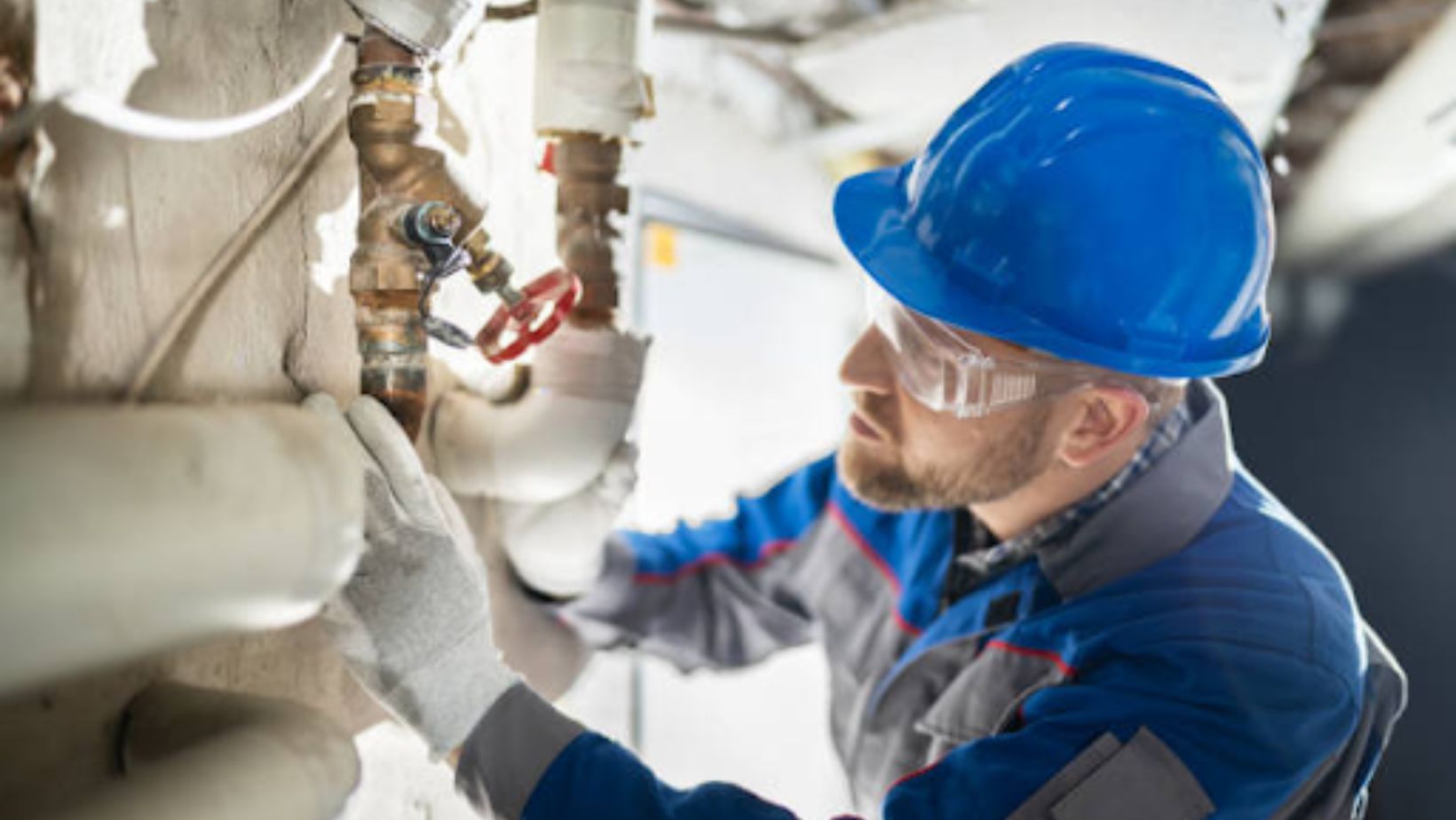
Hiring the right plumber for your project can be a daunting task, especially if you need help knowing where to start. Whether you are dealing with a minor leak, a major renovation, or installing a new plumbing system, the right professional can make all the difference. Here is a comprehensive guide on how to hire a plumber that fits your needs and ensures quality work. For example, if you live in the Indianapolis area, check out a reputable plumbing company like Carter’s My Plumber.
Identify Your Plumbing Needs
Before you start looking for a plumber, it’s essential to identify what you need. Whether you need plumbing repair or installation, the range of plumbing projects can vary greatly. Here are some common plumbing services:
- Emergency Repairs: Fix leaks, burst pipes, or water heater failures.
- Routine Maintenance: Regular checks and maintenance to prevent future problems.
- Installations: Installing new fixtures, water heaters, or entire plumbing systems.
- Renovations: Upgrading or relocating plumbing during home renovations.
Knowing what you need, will help you in locating a plumber who has the expertise and experience to do the work correctly.
Research and Referrals
You would receive the best suggestion when asked by a friend, family, or a neighbor. What is most useful about personal recommendations is that they are from a trusted source who has already done what you are considering doing.
Alternatively, you can use inspected review and rating sites such as Yelp, Google Reviews (provided that they are not paid), Angie’s List, etc., and find a suitable plumber who has many positive reviews from other customers.
Check Credentials and Licensing
Plumbing requires technical skills and knowledge. Therefore, it’s crucial to hire a licensed and certified plumber. Licensing requirements vary by state, but most regions require plumbers to pass exams and have a certain amount of work experience. You can verify a plumber’s license through your state’s licensing board. A licensed plumber has a qualification from the necessary standards, making them eligible to complete your project.
Verify Insurance and Bonding
Plumbing can involve risks, such as water damage or injury. A good plumber will have both liability insurance and worker’s compensation insurance. Property insurance covers your own property if it is damaged accidentally while in the job. Worker’s compensation insurance covers the plumber’s employees if they get injured while working on your project. Additionally, bonding offers an extra layer of protection, ensuring that the plumber will complete the job as agreed.
Evaluate Experience and Specialization
Plumbing is a business where experience counts. A plumber who has been working for many years will have met with more problems and hence, is bound to possess problem-solving skills. There are residential plumbers, commercial plumbers, and new construction plumbers. Make sure the plumber you employ has experience in the kind of project you are planning to perform.
Request Multiple Quotes
Once you have a list of potential plumbers, request quotes from at least three different professionals. Detailed quotes should include the cost of materials, labor, and any additional fees. Select a plumber based on more than just the lowest price. Consider the value they provide. A detailed and transparent quote indicates professionalism and honesty.
Ask for References
You can ask plumbers for references from prior clients. Past clients will tell you how reliable, committed, and professional the plumber is. Ask about their experience, the duration of the project, and any issues that arose during or after the work.
Check for Warranties and Guarantees
It depends on the warranty, but in general, a warranty covers parts and labor for a certain amount of time, usually one year. This ensures that if any issues arise after the project is completed, the plumber will return to fix them at no additional cost.
Understand Payment Terms
Before the work begins, ensure you have a clear understanding of the payment terms. Discuss the total cost, payment schedule, and any deposit requirements. It is common to pay a deposit upfront, but be wary of plumbers who demand full payment before starting the job. A typical arrangement might be a deposit, followed by incremental payments as the work progresses, and a final payment upon completion.
Review the Contract
A detailed contract is crucial for any plumbing project. This should specify the scope of work, timing, payment terms, warranty information, and any other important information. DO take the time to read and if you have questions about the contract please ask. A well-drafted contract protects both you and the plumber, ensuring there are no misunderstandings.
Communication is Key
Effective communication with your plumber is essential. From the initial consultation to the completion of the project, maintain open lines of communication. Ensure the plumber understands your expectations and requirements. Regular updates on the progress of the work can help prevent any surprises and allow for timely adjustments if needed.
Monitor the Work
While it’s important to trust your plumber, it’s also a good idea to monitor the progress of the work. Check in regularly to ensure everything is on track and up to standard. Address any concerns promptly to avoid larger issues down the line.
Being involved shows the plumber that you care about the quality of the work.
Final Inspection
Before making the final payment:
- Inspect the completed work in depth.
- Make sure to check whether everything is going according to your and the contract specified details.
- Check for any leaks, proper installation of fixtures, and overall functionality.
A professional plumber will be happy to walk you through the work and address any final concerns.
Post-Project Follow-Up
After the project is completed, keep in touch with the plumber for any follow-up questions or issues that may arise. Having a reliable plumber you can call in the future is invaluable. Additionally, please leave a review based on your experience to help others in their search for a trustworthy professional.
Conclusion
Hiring a plumber for your project involves careful consideration and thorough research. These steps ensure that you will hire a licensed, credible contractor who can complete the project well and provide the best results. The right plumber can keep you worry-free and save you time, money, and stress, so rest easy and know that your plumbing requirements are in the hands of someone you can trust. Whether it’s a minor repair or a major installation, investing the time to hire the right plumber will pay off in the long run.