Empty, calm spaces do not exist. Rather they have been “edited.” The majority of interior spaces that exhibit a feeling of balance, do so through a calculated combination of texture, ratio, light, and material. Therefore, when working within this framework, wall art becomes more important than most people would assume. It will either enhance your space’s visual flow or disrupt it.
Organic Motifs Help To Provide Structured Variability
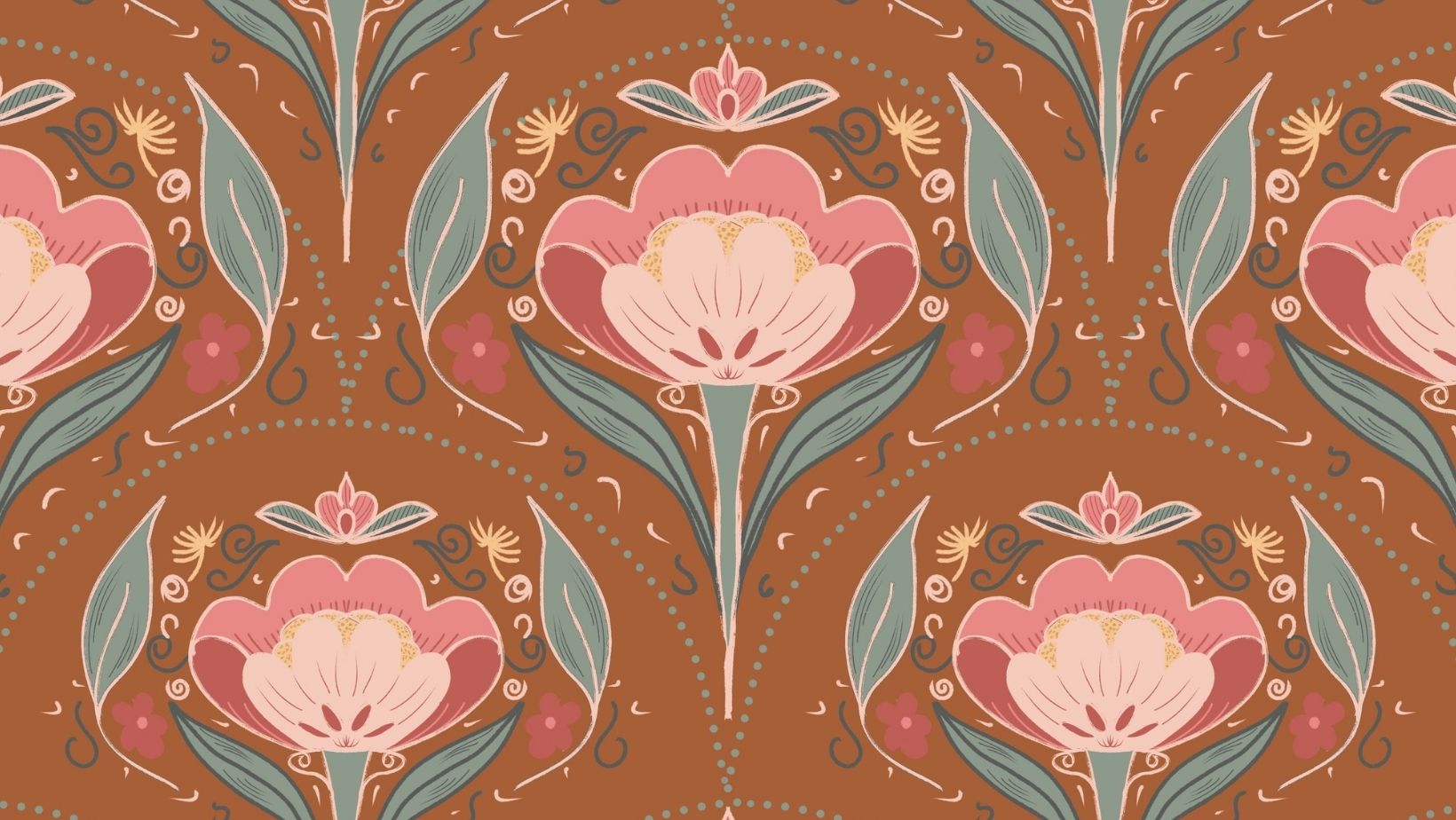
In addition to providing variety to your space botanical artworks can provide organic, curved shapes that contrast with the linear shape provided by the walls, shelves, windows and furnishings.
Stems, leaves, branches, and flower arrangements all bring controlled irregularity to your space. This is significant because many collected interiors are based upon creating a delicate balance between order and softness. Architectural lines can provide clarity. Organic lines can soften those architectural lines. When these two opposing elements are combined in harmony, the space provides a feeling of composure rather than rigidity.
Therefore, many designers view botanical prints as a type of elegant nature decor rather than as a seasonal decorative item. The images used in botanical prints provide reference points to the natural world; however, they provide them in a manner which is visually quiet. For example, a large tropical print using bold colors could overwhelm a room. However, a botanical print done in a subdued manner typically has the opposite effect. It contributes to enhancing the space’s ambiance while still offering some interest for the eye to absorb.
For many interior designers who wish to achieve a space that provides clarity versus spectacle, finding wall art that enhances the overall arrangement of the space rather than disrupting it is essential. Bedrooms, reading areas, hallways, and family rooms are examples of common spaces where artwork should settle the overall arrangement of the space rather than compete with it.
Watercolor And Botanical Images Perform Exceptionally Well Together
In addition to the subject matter of the artwork itself, the method of rendering the subject matter can significantly affect whether the subject matter appears heavy or light. There are numerous ways to represent a botanical image. Examples include painting it using oil paints or watercolors. Depending upon the methodology used to render the image, the image can appear either overwhelming or unobtrusive. Watercolor tends to work exceptionally well in calm interior spaces due to its inherent softness. The edges of watercolor paintings tend to blend together. Pigments build up slowly. Also, white space is considered to be part of the composition rather than an area that needs to be filled.
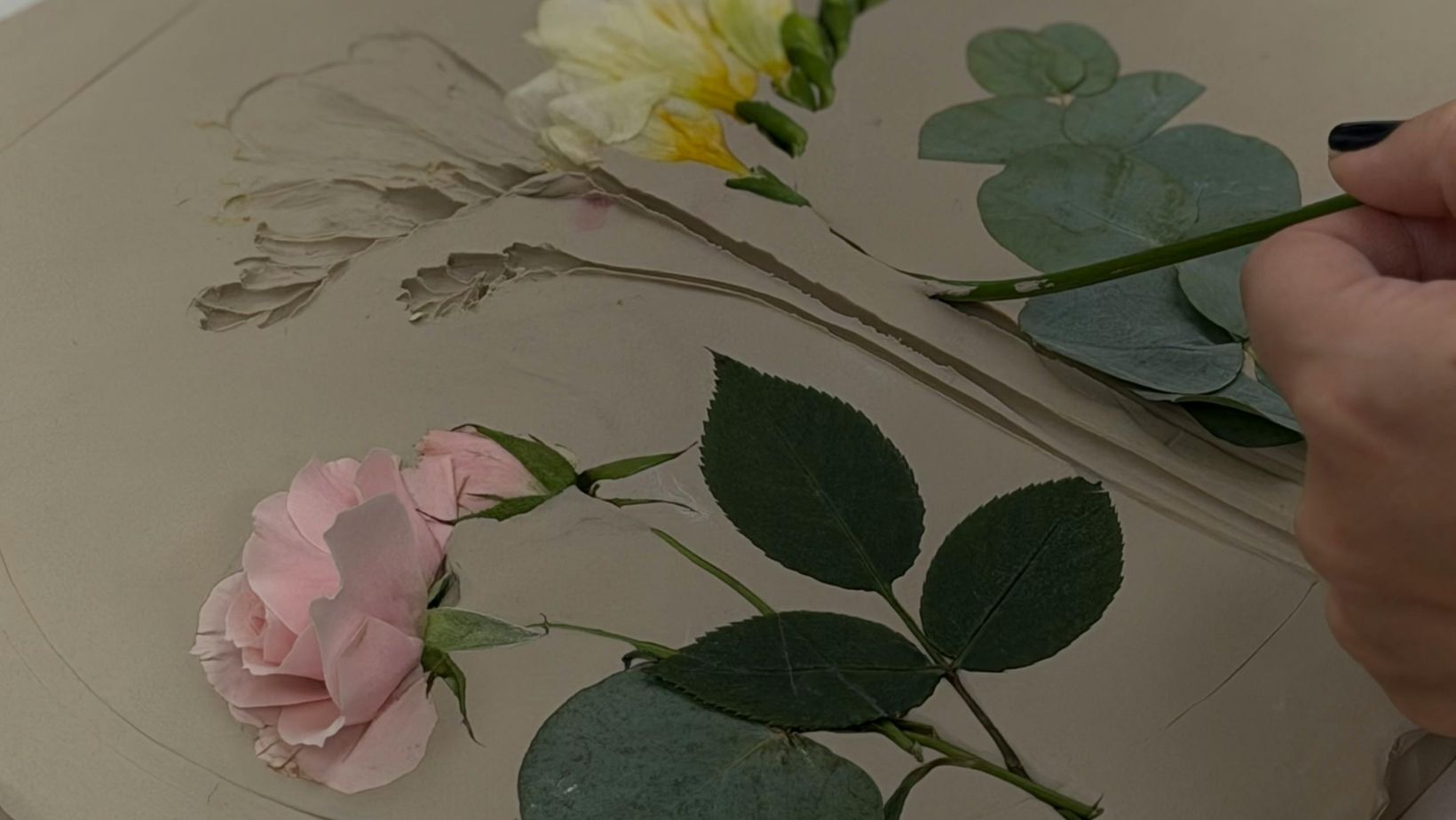
Due to its inherent softness, watercolor botanical images can be very successful in calm interior spaces where visual noise has already been minimized. Using watercolor to paint a leaf or branch creates subtle tonal variations without causing jarring contrasts. Watercolor botanical images can coexist with other types of materials that have a low-pressure visual aesthetic such as linen, pale wood, limewash, matte ceramics, and brushed metal.
This does not mean that every calm interior space requires watercolor images. Instead, it simply means that the medium of watercolor aligns with the design principles that many collected interior spaces utilize. These spaces typically use layers of neutral colors, moderate saturation levels, and materials that display texture rather than luster. Watercolor is compatible with these systems.
Calm Interior Spaces Require Artwork Capable Of Surviving Change
Collected interior spaces are generally developed over time. Items within a room are continually being swapped out. New rugs are introduced. Lighting is changed. What was originally a pale oak space could potentially become a dark wood space with stone accents and antiques. Quality wall art endures through these transitions.
One reason botanical wall art often endures through transitions is that it is relatively immune from relying on specific styles. Botanical wall art can successfully be integrated into various interior styles including traditional, transitional, Scandinavian, coastal, Japandi, cottage and modern organic designs without appearing incongruous. Plant forms lend themselves to interpretation. They can be perceived as both formal and relaxed as well as minimalist and romantic depending on size, frame style and color palette.
This adaptability has significance in real-world residences. Rarely do homeowners renovate each room simultaneously. Typically renovations occur incrementally. The ability of artwork to remain functional throughout multiple renovation phases affords greater design value than artwork limited to functionality during only one particular renovation phase.
As mentioned earlier, there is power in restraint when making artistic decisions regarding botanical prints. A subdued botanical print created using muted greens, sepia tones, charcoal shades or faded blues can transition from room-to-room while retaining its integrity. The versatility exhibited here is just one element contributing to the continued relevance of this classification of art.