Table of Contents
ToggleScreen doors and window screens are one of those home features that most people take for granted until they stop working. A screen door that sticks, a panel that has warped, or a mesh that has torn and not been replaced removes a meaningful piece of comfort from daily life, particularly during the months when natural ventilation is the preferred alternative to air conditioning.
When the time comes to address screens, homeowners encounter a choice that many have not previously thought through: fixed screens versus retractable. Both solve the core problem of keeping insects out while allowing air in. But they operate differently, look different when in place, and suit different home configurations in ways that are worth understanding before committing to one system.
Looking into retractable screen doors alongside fixed alternatives gives you the information needed to match the right system to your specific doors, windows, and lifestyle.
Contents
How Fixed Screens Work and Where They Excel
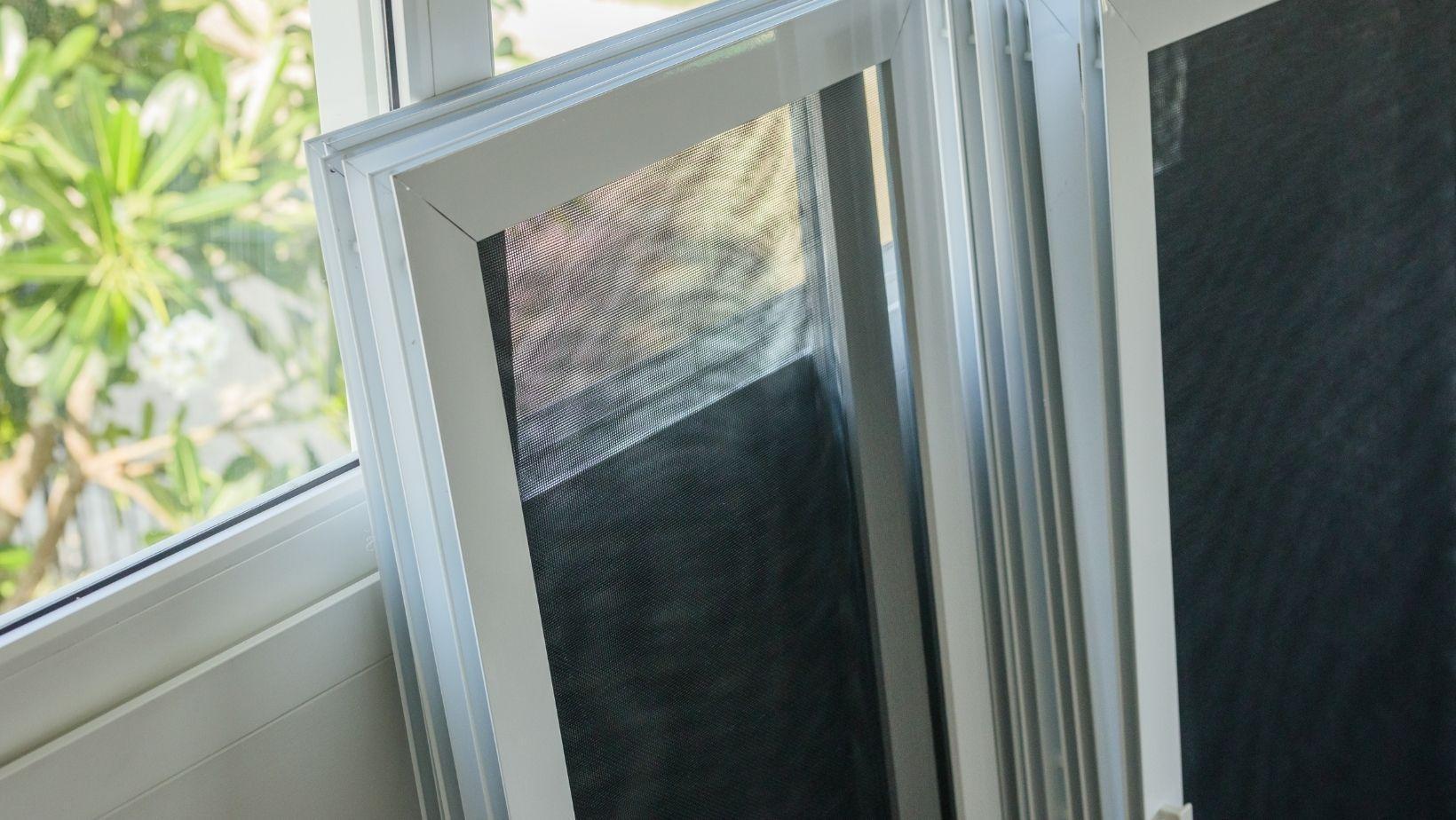
Fixed screens are permanent panels installed in a frame that stays in place year-round or for the full active season. For standard single-hung or double-hung windows, a fixed screen covering the lower half of the window is the default installation that most Toronto homes already have. For sliding glass doors, a fixed screen panel slides in a dedicated track alongside the door.
Fixed screens are mechanically simple, which makes them durable and easy to maintain. The mesh can be replaced when it is damaged without replacing the frame. The frame itself, in aluminum construction, can last decades with basic maintenance. For windows that are opened regularly and where the screen is always wanted when the window is open, fixed installation is efficient and practical.
Their limitation is that they are always present, visually and functionally, whether you want them or not. On doors that are used as primary entry points, a fixed screen that must be operated separately from the main door adds friction to every passage through the opening. On large picture windows or patio openings where the glass view is a design feature of the space, a fixed screen that is in place year-round disrupts that view even when the window is closed and the screen serves no function.
How Retractable Screens Work and Where They Fit
Retractable screens are housed in a cassette mechanism, typically mounted at the side or top of the door or window frame, and deploy on demand. When you want airflow, the screen pulls out and latches into position. When you want an unobstructed view or unimpeded passage, the screen retracts into its housing and essentially disappears.
This on-demand functionality is the core appeal of retractable systems. For front or side entry doors that are used as primary entry points, retractable screens eliminate the two-step process of operating both the main door and a separate screen door. One door, one operation, screen present only when you want it. For large sliding or folding patio systems where the opening is a significant architectural feature, a retractable screen preserves the view and the aesthetic when not in use while delivering full insect protection when deployed.
Retractable systems are also the only practical screen solution for door and window configurations that do not have a dedicated screen track. French doors, pivot doors, wider-than-standard openings, and specialty window shapes can all be fitted with retractable systems in cases where a fixed panel installation would require significant frame modification or simply would not work.
Durability and Maintenance Considerations
Fixed screens have a simplicity advantage in durability. With fewer moving components, there is less that can malfunction. The mesh and frame can be inspected, cleaned, and repaired easily. Replacement mesh is widely available and the re-screening process is straightforward.
Retractable screens involve more mechanical components, and the retraction mechanism does require periodic maintenance. The spring tension that pulls the screen back into its housing can weaken over time. The mesh, which spools and deploys repeatedly, experiences more mechanical stress than a fixed panel and should be selected for quality. Entry-level retractable systems from mass-market retailers tend to have shorter service lives than professionally specified and installed systems.
A professionally installed retractable screen system with quality mesh and hardware, properly tensioned and adjusted, provides years of reliable operation with minimal maintenance. The gap in durability between cheap and quality retractable systems is significantly wider than the equivalent gap in fixed screens.
Making the Decision
For most standard window applications where the screen is permanently wanted during the open season and visibility through the closed window is not a priority, fixed screens remain the practical default. For primary entry doors, large patio openings, French door systems, and any opening where the aesthetic when the screen is not needed matters to the homeowner, retractable systems deliver a meaningfully better result.
Many homes benefit from both: fixed panels on secondary windows and a retractable system on the front door or primary patio opening where the difference in daily experience is most tangible. Starting with the opening that creates the most friction in your daily routine is a practical way to evaluate whether a retractable system earns its cost in actual use.