Table of Contents
ToggleAt some point in the life of most Melbourne homes, the space stops being enough. A growing family needs another bedroom. A kitchen that was adequate for two becomes impractical for four. A home office that was a luxury becomes a necessity. And the options available to address it tend to resolve into two: sell, buy something larger, and absorb the transaction costs, stamp duty, agent fees, and the disruption of moving, or stay in the suburb, the street, and the community that already works, and add the space the home needs.
The calculus of this decision has shifted in recent years. Melbourne property transaction costs are significant, the disruption of moving is real, and the attachment most families have to their school zones, their neighbours, and their streets is a genuine variable in a decision that’s often treated as purely financial. For many homeowners, extending well costs less in total than moving, produces a home more specifically suited to their needs, and allows them to stay in a location they’ve already chosen deliberately.
Contents
The Options Available for Adding Space
The range of extension options available to Melbourne homeowners is broader than most people initially consider, and the differences between them matter more than a general preference for one approach over another.
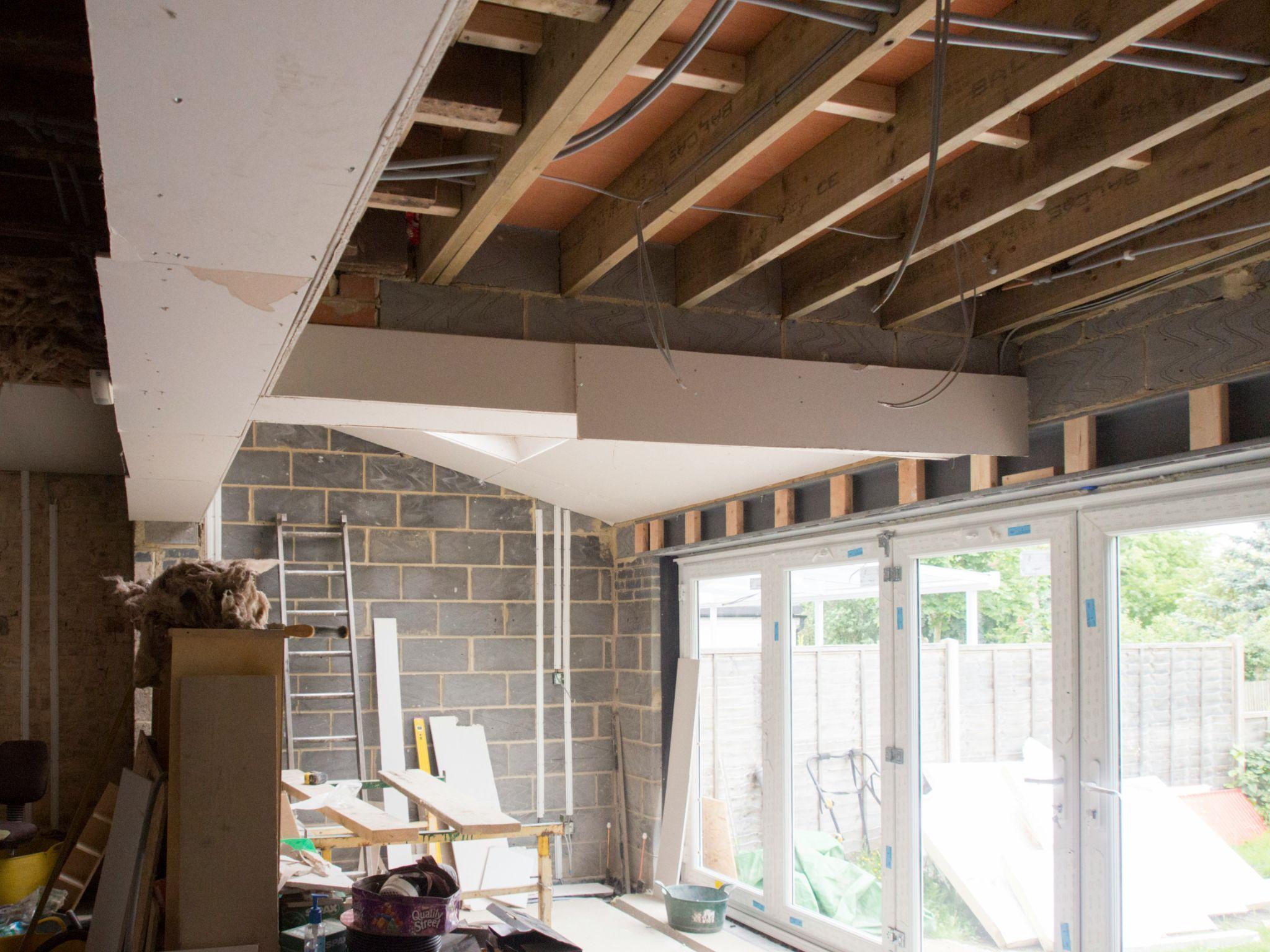
A ground floor extension is the most common approach for single-storey homes on blocks with enough remaining land to accommodate it. It extends the footprint of the existing structure, typically at the rear, to create additional living space, a larger kitchen, an open-plan living and dining area, or additional bedrooms. The construction is generally more straightforward than a second storey addition and produces an immediate connection to the garden that suits families whose outdoor living is part of how they use the home.
A second storey addition addresses the space question differently, building upward rather than outward and preserving the ground plane for garden and outdoor living. Second storey additions suit blocks where the remaining land is limited or where the garden connection at ground level is already well resolved and extending outward would compromise it. They also tend to suit families where the additional space needed is primarily bedrooms rather than living area.
Garage conversions and outbuilding additions offer a different kind of solution, repurposing existing structures on the property for living use. The suitability of this approach depends heavily on the structure being converted and what it would become, but for properties with underutilised garages, workshops, or outbuildings in good structural condition, it can produce usable space at lower cost than new construction.
What Determines Which Option Suits Your Home
The right extension type for any Melbourne property is determined by a combination of factors that are specific to the site, the existing structure, and the family’s actual needs, rather than by a general preference for one approach over another.
Block size and remaining garden area are the first practical constraints. A ground floor extension on a block where the remaining garden would be reduced to an impractical strip is a different proposition from one on a block with abundant rear space. Understanding how much of the block can be covered and still leave the outdoor areas that make the property work is a calculation that shapes every other extension decision.
Council approval requirements for home extensions Melbourne vary significantly depending on the local government area and the type of extension being proposed. Getting clarity on the applicable pathway early saves the time and cost of developing a design that turns out to need a more complex approval process than anyone budgeted for. Some extensions qualify for a Complying Development Certificate, which is assessed by a private certifier and resolved relatively quickly. Others require a Development Application through council, which involves a longer timeline and a more open-ended assessment process.
The existing structure of the home also shapes what’s possible and what’s practical. A home with a robust existing roof structure may not easily accommodate a second storey without significant structural work. A home with a particular architectural character may benefit from an extension that continues that character rather than contrasting with it.
The Design Considerations That Make an Extension Feel Seamless
The quality difference between a home extension that feels resolved and one that feels added on is almost entirely in the design, and it comes from decisions made before any construction begins rather than from the quality of the construction itself.
The connection between new and existing space is the most significant design challenge in any extension. A new living area that requires moving through a tight corridor to reach it, or that sits at a different level from the existing floor plan without a considered transition, produces a home that feels like two buildings joined rather than one building grown. The design that solves this problem works with the existing structure’s geometry, levels, and circulation patterns to produce transitions that feel natural rather than engineered.
Natural light is the design consideration that determines whether the extension feels like an improvement to the home or an imposition on it. Extensions that add space but reduce light to the existing areas they connect to produce a result that the household lives with rather than enjoys. Extensions that introduce new light sources, through skylights, high-level windows, or carefully positioned glazing, and that protect the existing light conditions of the rooms they adjoin, produce a home that feels more open after the extension than before.
Material continuity is the detail that most distinguishes extensions that feel like they were always part of the house. Matching the roof pitch, the external material palette, and the window profile of the existing structure produces an exterior reading that is coherent rather than patchwork. Where a contrast is intentional and well-designed, it can be a positive feature. Where it’s the result of convenience or cost rather than design intention, it reads as exactly what it is.
What the Process Actually Looks Like
Understanding the process of a home extension before starting removes the uncertainty that makes the project feel more daunting than it needs to be. The stages are consistent across most projects, even if the timeline and specific requirements vary.
The process starts with an initial consultation and site assessment. A builder or designer visits the property, discusses the family’s needs and goals, assesses what’s structurally and practically possible, and gives an initial indication of what the project might involve in terms of scope, timeline, and budget. This conversation is the foundation of everything that follows and is worth approaching with a clear sense of what the home currently lacks and what the extended home needs to provide.
Design development follows, with a series of design iterations that translate the brief into a specific proposal. This typically involves a preliminary plan, feedback and revisions, and a final design that the homeowner approves before the approval and documentation stage begins. A quality builder will include the practical knowledge of how the design will be constructed in this process, which produces designs that are both aspirational and buildable.
Approval submission, whether through the CDC or DA pathway, follows design approval. The timeline depends on the approval pathway and the complexity of the proposal, but most straightforward ground floor extensions through the CDC pathway resolve within a matter of weeks rather than months.
Construction begins once approval is issued and typically proceeds in stages, with regular communication keeping the homeowner informed about progress, decisions that arise during the build, and any changes to the timeline. For anyone working with a home extension builder in Melbourne who manages the project through an online portal, the visibility into what’s happening on site removes the anxiety of not knowing and allows the homeowner to be part of decisions as they arise rather than after they’ve been made.
Why Extending Well Is Worth Getting Right
The home extension that works well is one that was planned carefully, designed specifically for the family and the site, approved correctly, and built by people whose commitment to the outcome matches the investment being made in it. The extension that falls short of its potential is almost always one where one of those elements was rushed or treated as secondary.
Melbourne homeowners who have been through a well-managed extension process consistently describe it as one of the better decisions they made for their family, not because it was easy or cheap, but because the home they ended up in was exactly what they needed it to be, in the place they already wanted to be. That outcome is achievable for most homes and most families. It starts with understanding the options, choosing the right approach for the specific property, and finding the builder whose process and track record suggest they can deliver what they’re promising.