Some time over the last couple of years, what used to be a functional room became one of those rooms we actually think about. Or if you’ve been renovating — or even just painting and refreshing, you would have found yourself second-guessing things that we’d never have before. The toilet is included.
Bidets have come a long way from novelty item status. They’re an essential part of the bathroom in Australia and much of Europe/Asia for decades now, with good reason — when you habitually use one, it feels strangely backwards not to. However, if you happen to be shopping for the first time, a selection of options can truly leave us amazed. Here’s what actually matters.
Start with your existing setup
First, identify what you are working with. An independent bidet — like the type that sits next to the toilet, aside from it as a different fixture— will need a separate plumbing connection and sufficient flooring space capabilities. That is some serious bathroom renovation, not a weekend build. It’s definitely something to think about if you’re completely redoing the bathroom. Otherwise, you’ll need to consider integrated or add-on options.
Toilet bidet seats and add-ons fit onto regular toilets without any structural changes. The attachment style (which slides underneath your current seat) is the cheaper base option, while a complete replacement offers more features and a cleaner look. Both generally only require a cold water connection — the same supply line (which connects to your toilet) that you already have.
Heated water and electrical features
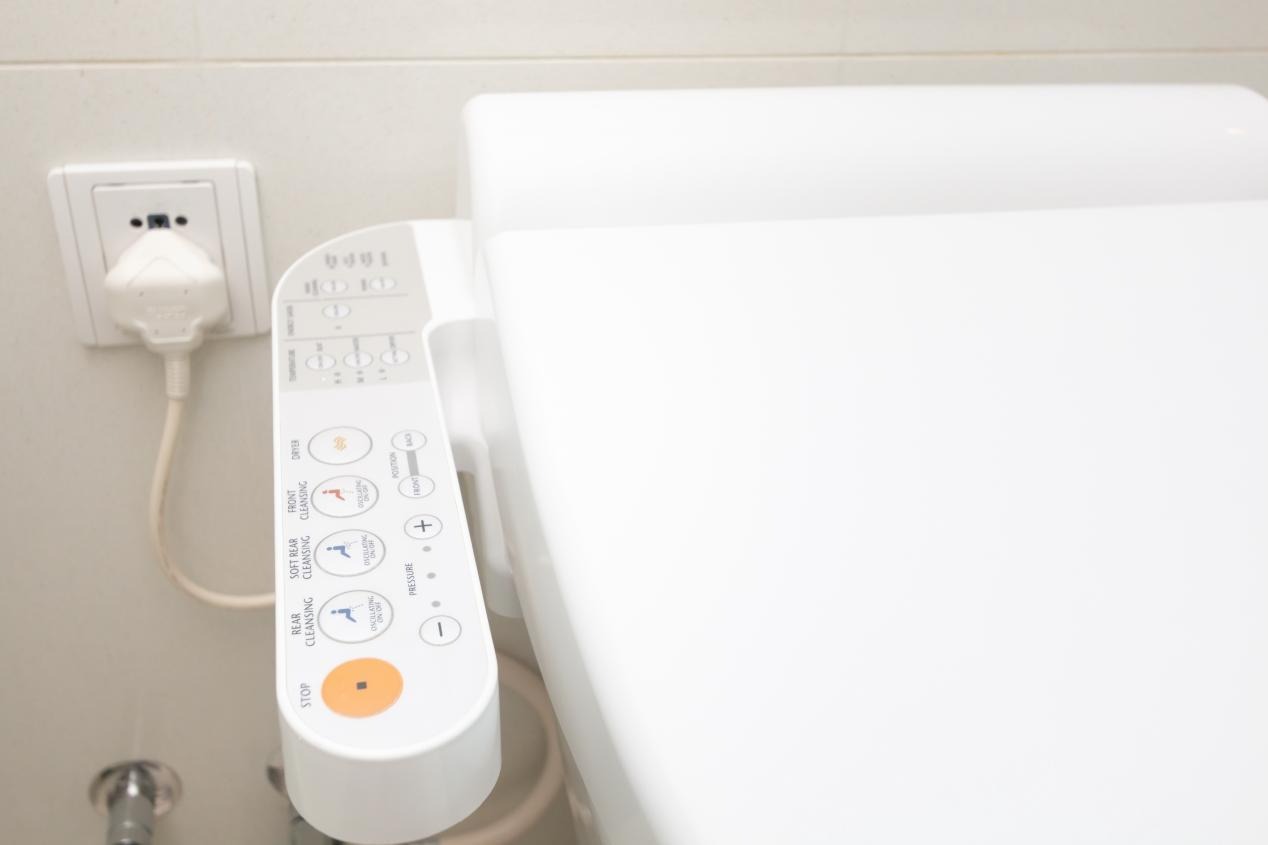
This is where things diverge rather markedly. Non-electric bidets are the easiest, most reliable, and cheapest. They do the job. In contrast, electric models dispense heated water and provide adjustable pressure settings as well as warm air drying; in addition to these features, they can also offer heated seats and even deodorising functions. If there is an electrical outlet available near your bathroom, the upgrade usually pays off — especially in cooler months because cold water simply isn’t pleasant.
No outlet nearby? You can have one added by an electrician, but be sure to budget for that cost from the start.
Features that you are actually willing to pay for
What few imagine is that controlling pressure matters more than the average person might think — even in a house with very different users, it hugely affects comfort. An adjustable position of the nozzle would also help. Seats with heating are a luxury, but if you live somewhere that has long, cold winters, it quickly becomes non-negotiable.
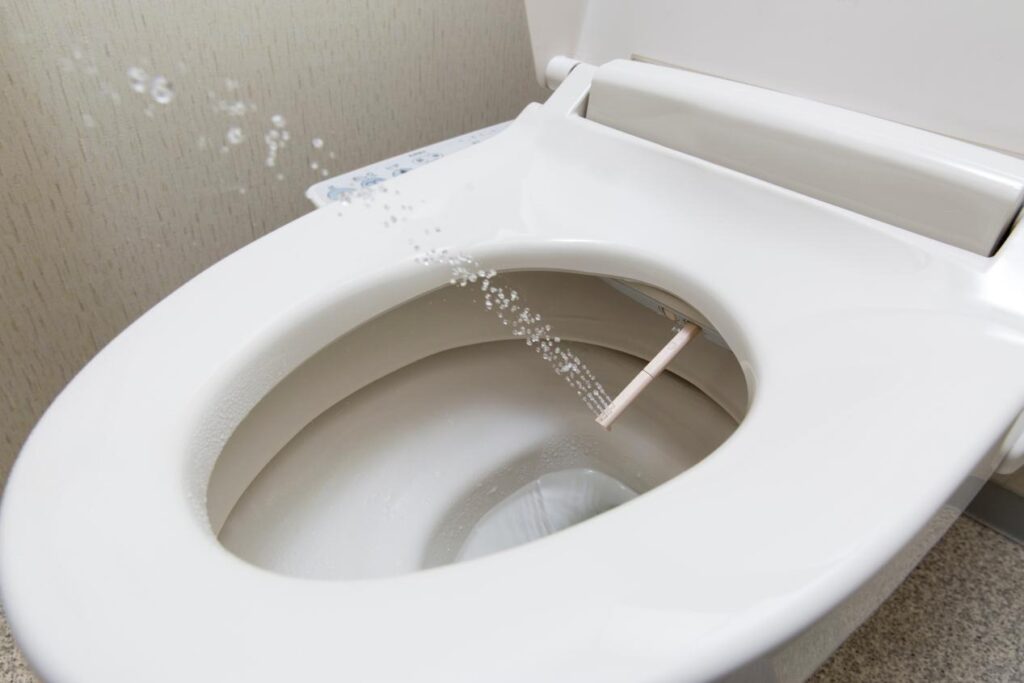
Self-cleaning nozzles: A practical need, not an upsell. The nozzle, which self-rinses prior to and following use, deals with the sanitary issue that also turns some individuals off entirely from bidets.
How to choose the desired bidet for yourself
Real answer — Most quality-made bidets serve your average household just fine. The choice really comes down to specifics, though: for example, would you prefer a remote control or a side panel? A slow-close lid? A night light? These are about comfort, not performance.
If you have small children or elderly members in your family, opt for bidets that offer gentle pressure settings, and they should also be easy to control. Some models even include a special mode simply called basic mode. A small attachment-style bidet is typically ideal for one-person households or those with limited bathroom space.
The overarching category of bidets now encompasses everything from basic attachments to high-end complete toilet suite replacements. Wherever you go, it’s one of those upgrades that people are always shocked by — most question why they waited so long to do it.