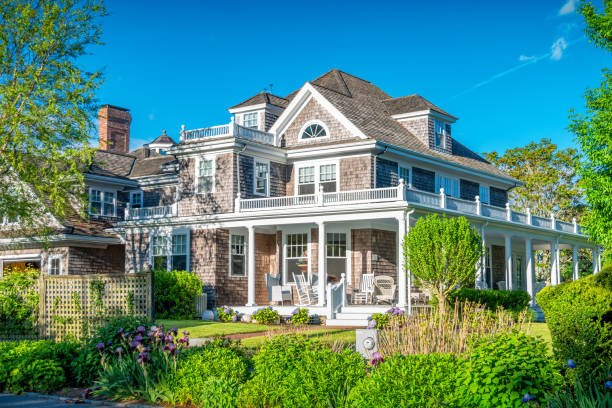
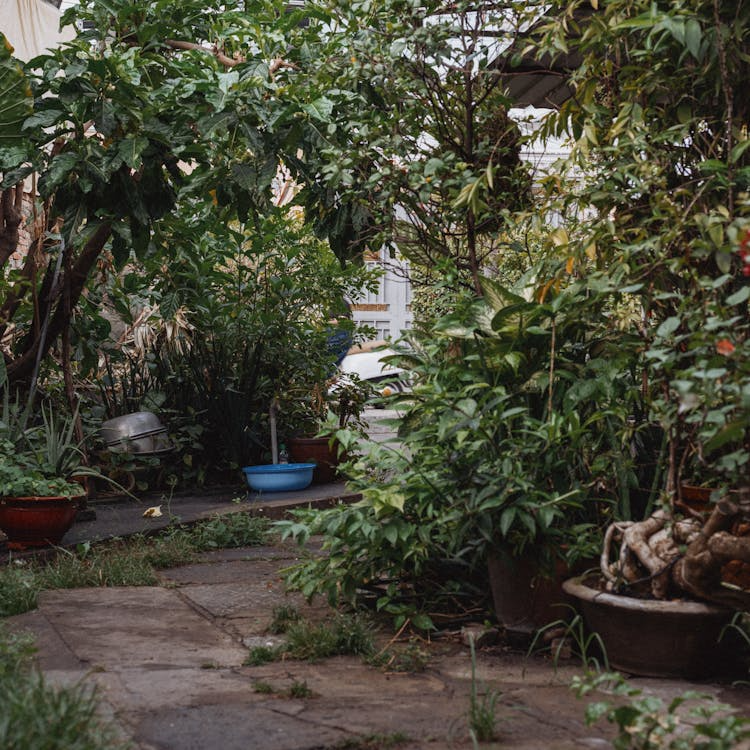
Most outdoor areas appear nearly identical. A green lawn with decorative shrubs or maybe flower beds along the fence. These elements work for many homes. However, they do not do much for the environment or make the yard adaptable. Here are the practical ways to add native plants to the mix and make your landscape more manageable.
Build a Small Layered Ecosystem
Nature does not grow in rows, and your yard should not try to. One of the easiest ways to add value to your exterior is by planting native trees in layers. A canopy layer should have tall trees like oaks, maples, and pines. They should be followed with the understory layer that includes smaller versions like serviceberry, redbud, and dogwood.
Next is a shrub layer that features plants like hazel and spicebush to provide nesting habitat. You can introduce the middle ground that features herbaceous perennials and grasses. Lastly, the low groundcovers and leaf litter take the bottom position to protect the soil. Each layer has a job. For instance, native shrubs act as a bridge between the ground and the understory, while offering hiding areas for birds and small animals.
The actual magic happens when all these layers work together to provide focal points, shade, and screening to the landscape. You do not need a large property to try this. A small corner of the yard can support two to three layers. Just start with a canopy tree and a shrub, and fill the base with natural groundcovers.
Replace Lawns With Native Groundcovers
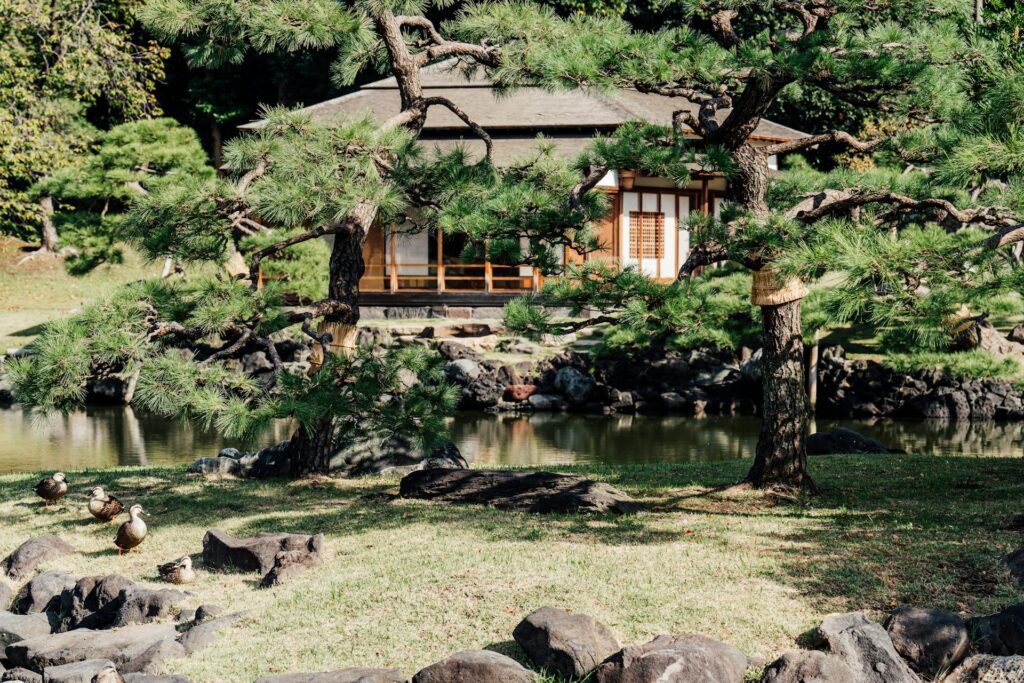
The layer focus on perfectly made lawns has left little space to support ecosystems. For instance, almost 40 million acres are covered by a green monoculture carpet. That is a lot of space that could be used for something more important. Replacing even part of that lawn with native groundcovers is one of the more practical switches you can make. Many Canadian adults are already doing it as a way of reducing gas-powered mowing.
Good options include wild strawberry, creeping phlox, and wild ginger. Canadian wild ginger is an example of a dense, spreading groundcover native to woodland understories. It adds an interesting texture and shape to any shade garden. These plants prevent weeds and erosion, and support pollinators. They also provide a low-maintenance carpet that survives longer than turf.
Landscaping companies like Green Collar are also helping homeowners make this transition thoughtfully. They use regionally appropriate plants that suit specific light and soil conditions. The point is to mix species rather than a single option to support more wildlife and add seasonal aesthetic interest.
Design Functional Spaces with Native Edibles
Sustainability does not mean giving up function. Many native plants produce food for you and wildlife. Designing with these plants turns your yard into something that pays back. Edible landscaping is mostly the easiest way to maximize your backyard. Think of it as a vegetable garden and more as a permanent, productive land.
Elderberry is a good choice that does well in low spots where water collects and can reach eight feet high. Pawpaw trees can also tolerate shade and bear a tropical fruit. Serviceberries and native blueberries round out a layered edible planting nicely. They give fruits at different times throughout the season.
You should also select plants that serve multiple functions. For example, passion flower vines offer beautiful blooms, edible fruit, and tea-ready leaves. It is also a habitat for native insects. The aim is to go for plants that earn their place in more than one time of the year. But always confirm each plant with reliable sources to make sure it is safe for consumption.
Endnote
Building a manageable landscape with native plants requires small decisions. Begin by building a layered design and replacing lawns with native groundcovers and edibles. The results may seem invisible at first. The long-term value is increased visual appeal, limited soil erosion, and an all-around landscape that supports people and wildlife.