
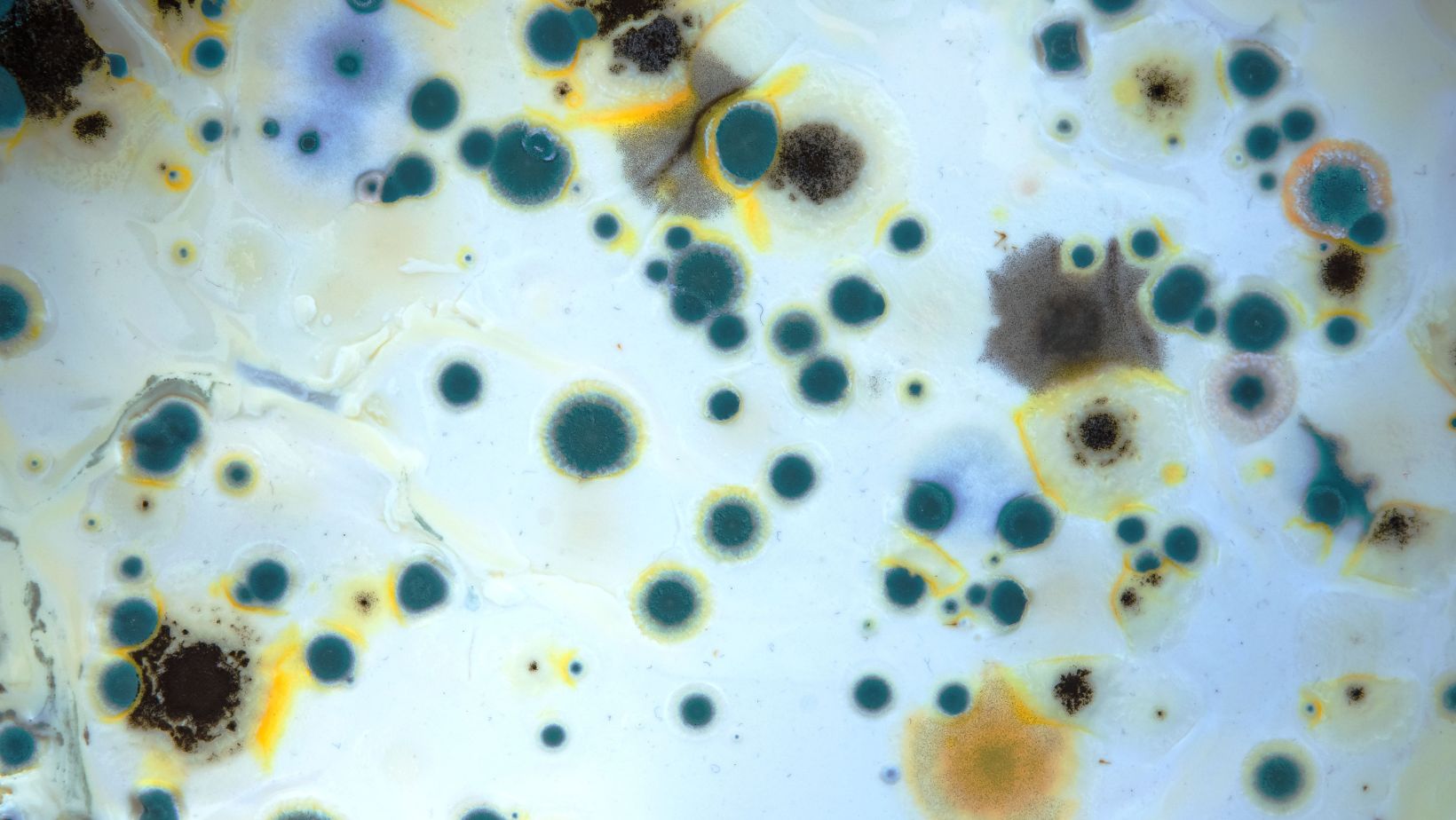
Most people think mold is only a problem when they can see it growing on walls or ceilings. The truth is, mold can release small particles and spores into the air even when it is hidden behind surfaces and out of view. These invisible spores can lower indoor air quality and increase the risk of allergies, asthma, and other breathing problems. Mold often hides in places like behind walls, under floors, or in ventilation, making it difficult to spot without special tools or experience. That’s why many turn to mold removal experts in NYC for inspection and safe removal if they suspect a problem. Knowing the invisible ways mold spreads and affects your home’s air can help you understand why indoor air might not feel fresh or why some symptoms don’t go away even after cleaning. Mold is more than a visible stain—it can become an unseen issue that leads to ongoing discomfort.
Invisible Mold and Its Impact on Indoor Air Quality
Mold can be hidden in walls, ceilings, or under floors, impacting the air people breathe every day. Even when mold is not easy to spot, it can still lead to sneezing, allergies, and other health problems.
How Mold Grows Without Visible Signs
Mold does not need to be seen to cause problems. It grows when there is enough moisture and organic material, such as wood, drywall, or carpeting. This often happens behind walls, under floors, or in attics, where it is dark and humid. Hidden mold can develop after leaks, floods, or even from condensation. Because it can hide inside building materials, regular cleaning and surface checks may not reveal the issue. People might only notice a musty smell or health symptoms before seeing any mold. The environment inside homes can help mold grow even when nobody sees it. Areas that have been wet for a long time are at higher risk, especially if the moisture problem is not fixed quickly. A lack of proper ventilation can make these issues worse.
Microscopic Mold Spores and Airborne Contaminants
Mold releases tiny particles called spores into the air as it grows. These spores are usually too small to see but can float throughout indoor environments and settle on different surfaces. They are easily breathed in and can trigger allergies or asthma. Even if mold is out of sight, the presence of airborne spores can lower indoor air quality. Besides spores, some molds make substances called mycotoxins, which can also become airborne and may irritate the nose, throat, and lungs. Common reactions from breathing in spores include sneezing, coughing, itchy eyes, or a runny nose. Some people, such as children and older adults, may feel these effects more strongly. Airborne spores and mycotoxins can continue to cause problems for as long as mold is hiding somewhere indoors.
Hidden Moisture Sources and Mold Proliferation
Hidden leaks and damp spots are the main reasons mold can multiply indoors without people knowing. Pipelines that drip inside walls, roofs that let water seep in, and even steam from showers can create damp spots ideal for mold growth. Moisture trapped behind wallpaper, under carpet, or in insulation can go unnoticed for weeks or even months. Mold can start to grow in as little as 24 to 48 hours in these damp areas, especially if they stay wet over time. Common hidden moisture sources include:
- Leaking pipes between walls or under floors
- Poorly ventilated bathrooms or kitchens
- Roof leaks dripping into attics or behind ceilings
If these sources are not found and stopped, mold will continue to grow out of sight, sending spores into the air and causing ongoing indoor air quality issues.

Health Risks and Detection of Hidden Mold
Hidden mold can harm health even when it cannot be seen. It may cause a range of symptoms, and there are specific ways to check for mold that is not easy to spot.
Symptoms of Mold Exposure in Absence of Visible Growth
When mold is hidden, the first signs are often health-related. People may experience a runny or stuffy nose, sneezing, coughing, or itchy eyes. Some may get headaches or feel tired more often than normal. Mold can also cause skin rashes and irritation. For people with asthma or allergies, symptoms may get worse. This includes more frequent asthma attacks or allergy flare-ups. In some cases, breathing problems can develop even if a person has no history of lung issues. Other possible effects include chronic coughing, sinus congestion, and sore throat. Young children, older adults, and those with weak immune systems might notice these signs sooner or have more severe reactions. The symptoms can show up suddenly and may not go away until the mold is removed.
Techniques for Identifying Concealed Mold Problems
Finding hidden mold is sometimes challenging because it grows in places that are often missed. Some common areas are behind walls, under floors, and near leaking pipes. Mold often grows in spaces with moisture that stays for a while. Simple signs to watch for include musty smells, changes in wall or floor color, or spots of water damage. If a room smells damp or earthy, it may point to hidden mold. Professionals use several methods to detect hidden mold. These can include using moisture meters to find wet materials or thermal imaging cameras that show cold, damp spots. In some cases, small samples from walls or other surfaces are checked for mold spores. Even if mold is not visible, regular checks in risk areas—like basements, bathrooms, and places with water leaks—are important. Noticing odd odors or new health symptoms can help families catch mold issues before they spread.
Conclusion
Mold can lower indoor air quality even when there are no visible signs. Invisible mold spores travel through the air and release allergens and irritants that may cause symptoms like coughing, sneezing, or breathing issues. These airborne particles can affect people’s health, especially those with allergies or asthma. Checking for musty smells or unexpected health changes can sometimes point to hidden mold. Regular cleaning, using dehumidifiers, and fixing moisture problems may help lower the risk. Mold is not always easy to see, but it still matters for indoor air.