

Shark robot vacuums are a popular choice for keeping your floors clean and tidy without the hassle of manual vacuuming. However, like any piece of technology, they can encounter errors from time to time. One common issue that users may come across is error codes displayed on the vacuum’s screen or through LED indicators.
These error codes serve as diagnostic tools to help identify and troubleshoot problems with the robot vacuum. Each code corresponds to a specific issue, such as a sensor malfunction, brush obstruction, or battery problem. Understanding these error codes can save you time and frustration when it comes to resolving any issues with your shark robot vacuum.
Shark Robot Vacuum Error Codes
Let’s dive into the world of shark robot vacuum error codes and explore some of the common issues you might encounter. These error codes can be frustrating, but understanding what they mean can help you troubleshoot and resolve any problems with your robotic vacuum.
- E-01: Brush Stuck One of the most frequent error codes is E-01, indicating that the brush is stuck. This usually occurs when hair or debris gets tangled around the brush roll. To fix this issue, turn off the vacuum, remove any obstructions from the brush roll, and then restart it. Regularly cleaning the brush roll will help prevent this error from recurring.
- E-02: Wheel Jammed If your shark robot vacuum displays an E-02 error code, it means that one or more wheels are jammed or not functioning properly. Check for any objects obstructing the wheel movement and clear them away if necessary. Sometimes a simple reset by turning off and on the vacuum can resolve this issue.
- E-03: Dirty Sensors When you see an E-03 error code on your shark robot vacuum, it typically indicates dirty sensors. Dust or debris covering these sensors can interfere with navigation and mapping capabilities, causing errors in operation. Clean the sensors using a soft cloth or cotton swab to ensure optimal performance.
- E-04: Full Dustbin An E-04 error code signals that your dustbin is full and needs to be emptied before continuing its cleaning cycle successfully. Remove the dustbin from your shark robot vacuum, empty its contents into a trash bag, clean any filters if needed, and reattach it securely.
- E-05: Battery Voltage Low If your shark robot vacuum shows an E-05 error code, it means that its battery voltage is low and requires charging. Connect it to its charging dock until fully charged before resuming use.
Remember, these are just a few examples of common error codes you may encounter with your shark robot vacuum. If you come across any other error codes not mentioned here, consult the user manual or reach out to customer support for further assistance. By troubleshooting and resolving these issues, you can keep your shark robot vacuum running smoothly and efficiently.
How to Reset the Shark Robot Vacuum
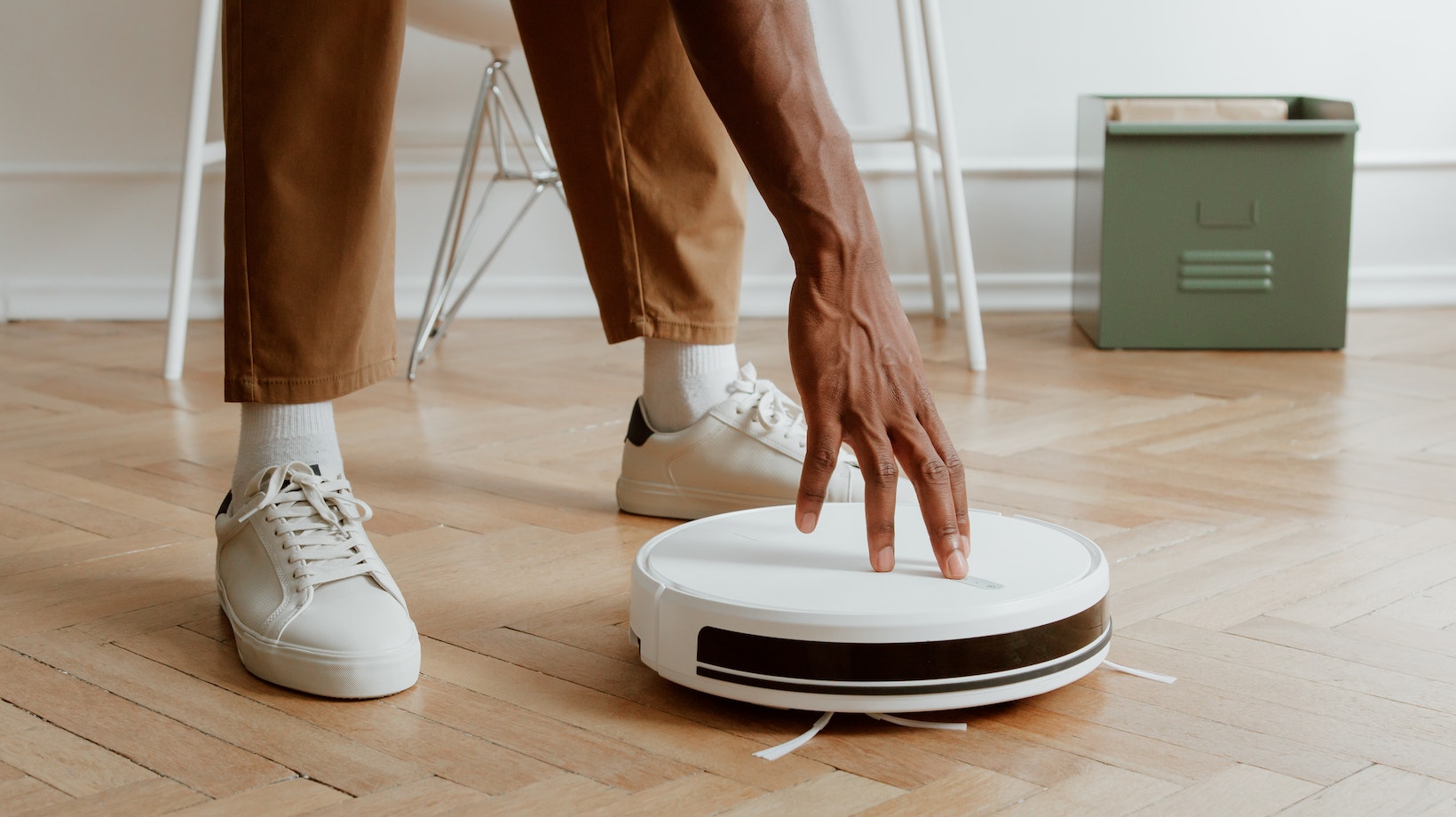
If you encounter an error code while using your Shark robot vacuum, a simple troubleshooting step you can try is resetting the device. Here’s how you can do it:
- Turn off the vacuum: Locate the power button on your Shark robot vacuum and press and hold it until the device shuts down.
- Unplug and wait: Once the vacuum is turned off, unplug it from the power source and wait for about 10 seconds. This will allow any residual power to dissipate.
- Plug in and turn on: After waiting for a few seconds, plug your Shark robot vacuum back into the power source and switch it on using the power button.
- Resume cleaning: Your Shark robot vacuum should now be reset, ready to resume its cleaning duties without displaying any error codes.
In conclusion, understanding Shark Robot Vacuum error codes empowers users to troubleshoot and address common issues effectively. By interpreting these messages correctly and taking appropriate action, you can keep your vacuum running smoothly for years to come. So embrace this knowledge and let your robot vacuum continue its mission of keeping your floors clean while saving you time and effort!