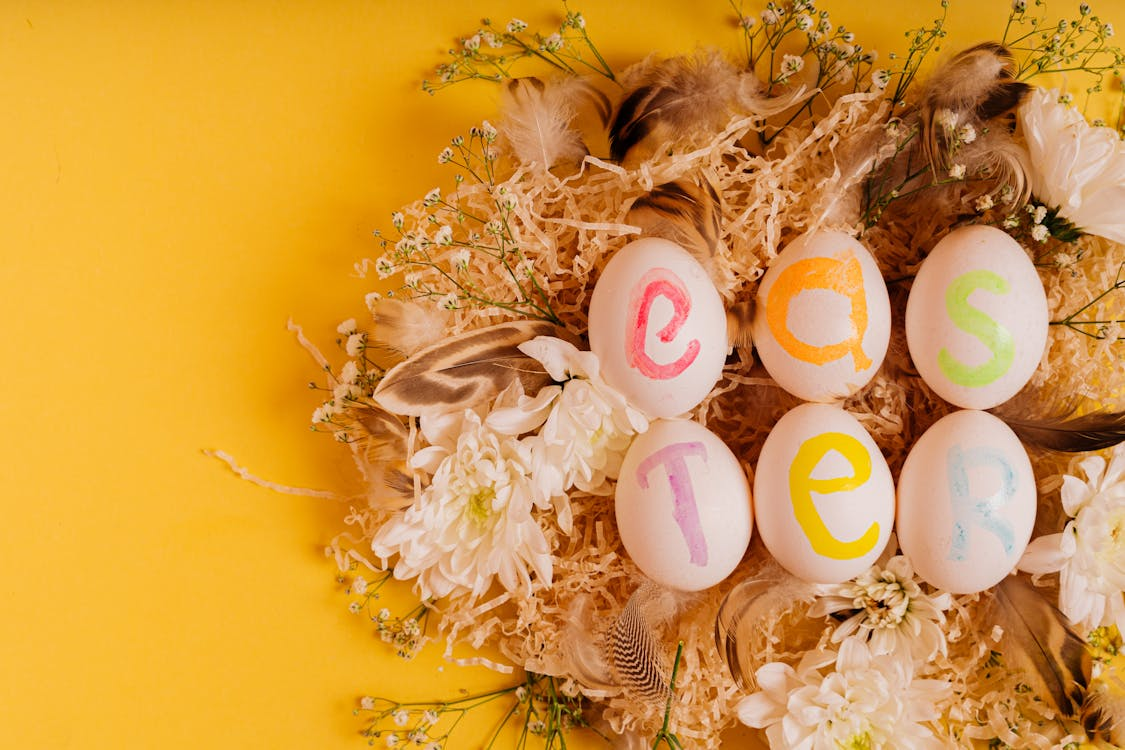
Easter baskets bring plenty of joy, but they can often create needless waste.
Using eco-friendly ideas at home keeps the tradition fun, meaningful, and better for the planet.
- Reuse Eco-Friendly Containers as Easter Baskets
A good Easter basket doesn’t need to be store-bought. Containers you already own or can find secondhand work just as well when they’re made from natural or recycled materials.
A bamboo basket, a wooden box, or a metal tin gives a sturdy base that looks great and avoids new plastic waste.
Check what you already have at home (which is perhaps an eco-friendly home!) or browse a local thrift store before buying new.
Choosing something durable and attractive turns the basket itself into part of the gift. The recipient can then reuse it for storage, decoration, or another celebration.
- Choose Natural and Compostable Basket Liners
The inside of an Easter basket is often filled with shredded plastic packaging that ends up in the bin after one use. Swapping that out for natural, compostable materials is a simple improvement.
Recycled paper, kraft wrapping, or soft tissue all create a gentle base without adding waste. You can tear or shred these by hand for a neat, festive texture.
For a touch of colour, choose paper that can be recycled, or layer in fabric offcuts from old clothes or linens. Both will add warmth and make the basket look considered rather than mass-produced.
Everything used can be recycled, reused, or composted, leaving nothing behind once the gifts are gone.
- Add Lasting Gifts Instead of Single-Use Toys
Chocolates are the highlight of any Easter basket, and no celebration feels complete without them. They set the tone and bring that sense of joy that everyone looks forward to.
Filling the basket with a mix of different shapes, flavours, or sizes keeps it interesting and festive.
Take a look at these Easter gift ideas for chocolatey inspiration.
Alongside the chocolate, include a few extra gifts made from natural or reusable materials. A soy candle in a glass jar, a packet of wildflower seeds, a wooden toy, or a handmade soap, for example, will add charm without adding waste.
Choosing items that can be used again or that naturally break down keeps the basket eco-friendly.
- Decorate with Upcycled and Recyclable Materials
The finishing touches bring the whole Easter basket together.
Decoration doesn’t need to rely on plastic ribbons or synthetic wraps. Affordable, eco-friendly materials are easy to find, whether from your own home or a local craft shop.
Reused paper, natural twine, or fabric offcuts, for instance, can be turned into bows or ties that look aesthetically pleasing.
For a touch of colour, use vegetable-based dyes or eco paints on plain paper. These materials cost very little and create a thoughtful, handmade feel.
Keeping decorations recyclable or reusable makes the basket look festive without adding waste, giving a cleaner finish that still feels bright and personal.
- Add Eco-Friendly Labels for a Personal Touch
Labels are often overlooked, yet they complete the look of an Easter basket and make each one feel personal.
Choosing eco-friendly materials for them keeps the theme consistent from top to bottom.
Recycled card, kraft paper, or small wood slices can work well. They have a natural finish that will suit the style of your eco-friendly basket.
Write names or short notes by hand for a friendly touch.
Attach each label using paper string, natural twine, or a thin fabric strip instead of plastic ribbon.
These small changes add texture and character without creating waste.
Even though labels are small, they matter. Keeping them recyclable or compostable shows care in every detail, proving that sustainable choices can be beautiful and thoughtful at the same time.