Geothermal heat pumps are a widely used and efficient option for heating and cooling homes. However, many misconceptions about these systems may prevent homeowners from considering them a choice.
This article will clear up five common myths about geothermal heat pumps and provide accurate information to help homeowners make informed decisions.
If you’re interested in learning more about geothermal heat pumps and their advantages for your home, be sure to visit https://andersonair.com/residential/geothermal-heat-pump-services/.
Myth 1: Geothermal Heat Pumps Only Work In Warm Climates
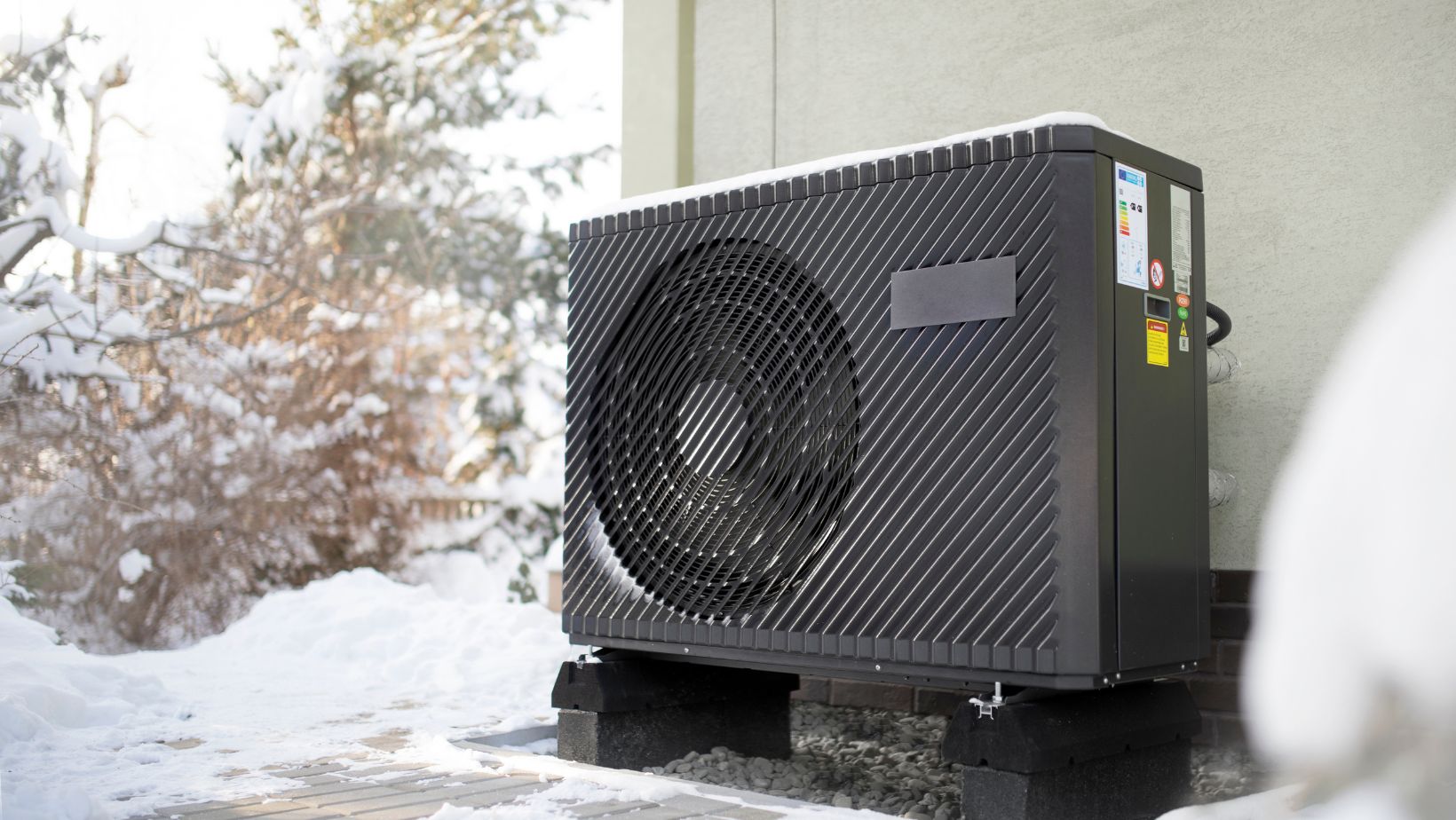
Many people believe that geothermal heat pumps only work in warm climates due to the word “heat” in its name. However, this is far from the truth. Geothermal heat pumps can be used in any climate, even in cold and snowy regions. This is because they utilize the earth’s constant temperature to heat or cool a home rather than relying on outside air temperatures.
Geothermal heat pumps use underground pipes filled with a water-based solution to transfer heat from the ground into the home during winter and vice versa in summer months. This allows them to provide consistent heating and cooling regardless of external weather conditions.
Myth 2: Geothermal Heat Pumps Are Expensive
A common misconception about geothermal heat pumps is that their installation and maintenance come with a high price tag. While it’s true that initial installation costs may be higher compared to traditional HVAC systems, geothermal heat pumps can significantly reduce monthly energy bills. In fact, homeowners can reduce heating expenses by as much as 70% and cooling costs by up to 50% with a geothermal heat pump.

Additionally, geothermal heat pumps require minimal maintenance due to their durable and long-lasting components. With proper installation and regular check-ups from a professional HVAC technician, a geothermal heat pump can last for over 25 years.
Myth 3: Geothermal Heat Pumps Are Noisy
Another widespread misconception is that geothermal heat pumps are noisy and disruptive. However, this is not the case. Unlike traditional HVAC systems with loud outdoor units, geothermal heat pumps have quiet indoor components. This means no more noisy blasts of air or loud humming noises throughout the day and night.
Additionally, geothermal heat pumps do not rely on external weather conditions to function, so they can operate without any outdoor noise disturbances. This makes them an excellent choice for homeowners who value peace and quiet.
Myth 4: Geothermal Heat Pumps Require Large Yard Space
Some may believe geothermal heat pumps require ample yard space to install underground pipes. However, this is not always the case. In fact, there are various installation methods available for geothermal heat pumps, such as vertical and horizontal loops.
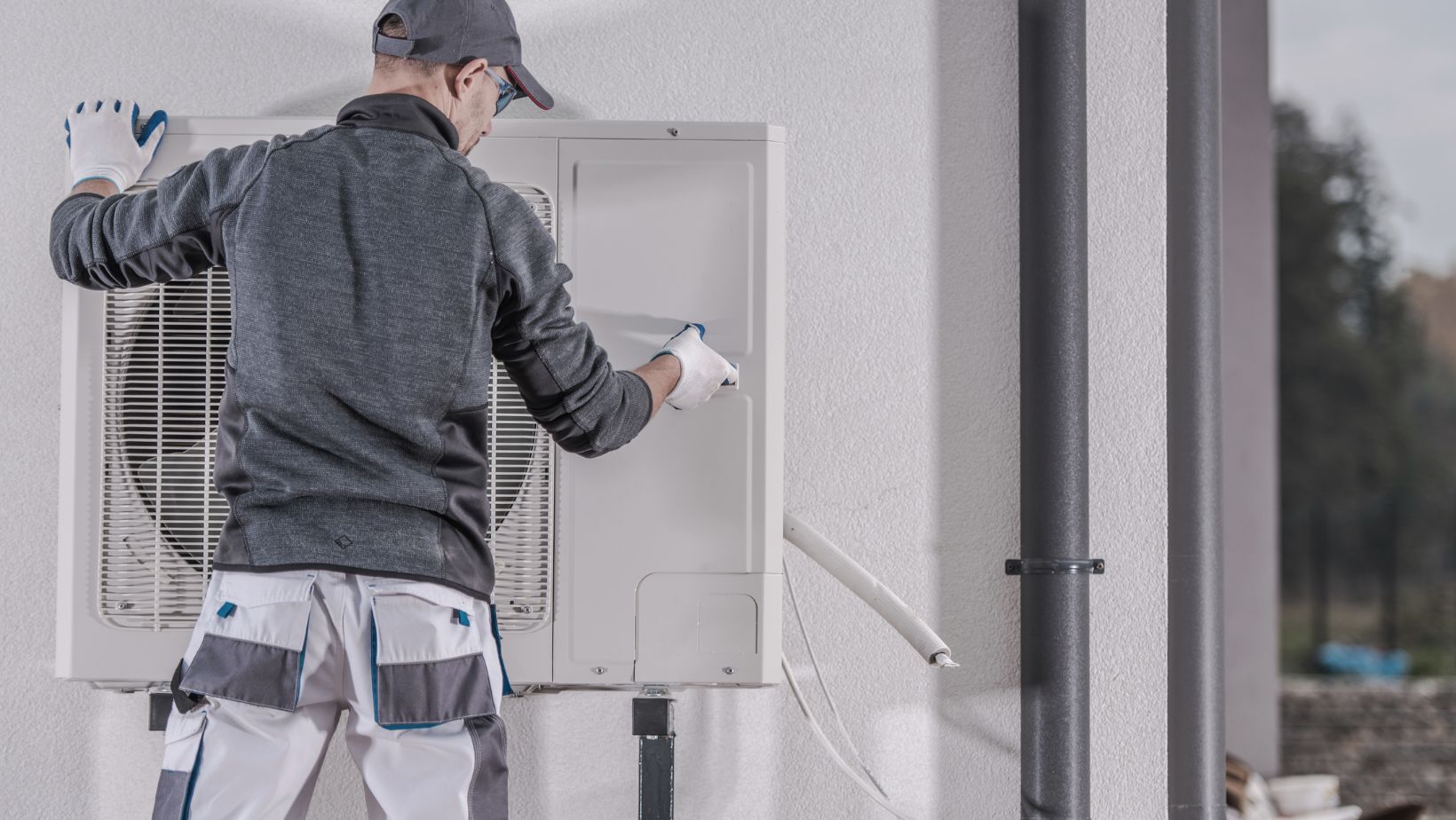
Vertical loops are installed by drilling deep boreholes into the ground, making them an excellent option for smaller yards or areas with limited space. Horizontal loops, on the other hand, are installed by digging shallow trenches in larger yard spaces. A professional HVAC technician can assess and determine the best installation method for each home.
Myth 5: Geothermal Heat Pumps Are Not Environmentally Friendly
Contrary to popular belief, geothermal heat pumps offer a wide range of environmental benefits. They use renewable energy from the earth to heat and cool homes, resulting in significantly reduced carbon emissions compared to traditional HVAC systems.
In fact, according to the Environmental Protection Agency (EPA), geothermal heat pumps have the lowest environmental impact of all heating and cooling systems available. This makes them an excellent choice for homeowners who want to reduce their carbon footprint and contribute to a more sustainable future.
Conclusion
Geothermal heat pumps provide an energy-efficient, budget-friendly, and sustainable home heating and cooling option. By debunking these five common myths, we hope to educate homeowners on the benefits of geothermal heat pumps and encourage them to consider this innovative technology for their homes.