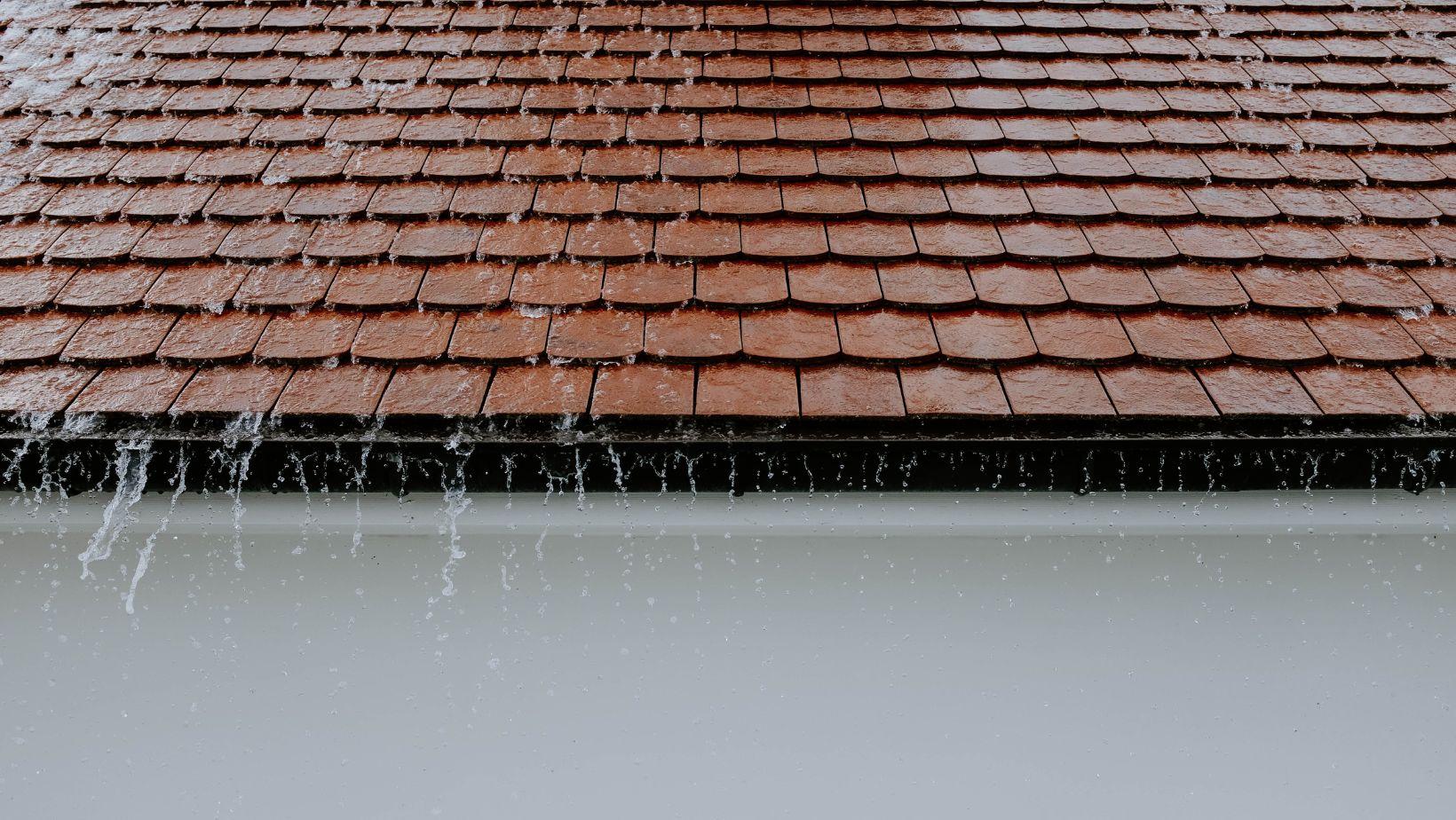
Living in a coastal region offers stunning views, access to ocean breezes, and a lifestyle centered around nature. However, the same factors that make coastal living attractive can pose significant challenges to maintaining a home, especially the roof. High humidity, salt-laden air, strong winds, and the occasional tropical storm all combine to create a harsh environment for roofing systems. Roofers who regularly work in these areas often emphasize durability, corrosion resistance, and weather adaptability when recommending materials and construction techniques. A roof in a coastal setting must do more than shield the home from rain; it must be designed to resist moisture intrusion, handle thermal stress, and stay intact during high wind events.
How Do Coastal Demands Shape Roofing Recommendations?
Material Selection That Holds Up to Salt and Humidity
In coastal zones, standard asphalt shingles may not provide sufficient resistance to the effects of salty air and high moisture levels. Over time, salt accelerates the deterioration of some materials, particularly metal components like flashing and fasteners, leading to rust, leaks, and structural issues. That’s why roofers frequently recommend metal roofing systems with corrosion-resistant coatings, clay or concrete tiles, or synthetic composite shingles. These materials are less likely to degrade in the salty air and offer extended lifespans with fewer maintenance needs.

Even for homes that use asphalt shingles, upgraded versions with algae-resistant properties and enhanced wind ratings can make a significant difference. When roofing materials are chosen with the coastal climate in mind, they help prevent premature failure and reduce the need for frequent repairs. Premier Home Exterior has been noted for suggesting options tailored to such conditions, assisting homeowners to create a long-lasting barrier that stands up to the regional stressors.
Fastening Methods and Structural Reinforcements
Beyond the roofing material, the installation method is just as critical in a coastal setting. Traditional roofing nails may loosen over time under the combined forces of salt corrosion and intense wind uplift. Roofers in these regions often use stainless steel fasteners or ring-shank nails, providing stronger holding power and greater resistance to loosening. Furthermore, the installation method may include enhancements like roofing adhesives, metal edge strips, and hurricane clips that secure the roof deck to the home’s framing. These reinforcements increase the structure’s wind resistance, reducing the likelihood of catastrophic damage during severe storms. Local building codes in coastal areas typically reflect these risks and require strict compliance with high-wind installation standards. Roofers also often advise adding secondary water barriers, such as peel-and-stick underlayment layers, that protect the decking even if the top layer of roofing is compromised. These extra measures don’t just safeguard property—they increase safety and help homeowners recover faster after major weather events.
Ventilation and Heat Management Strategies
Coastal regions, especially in warmer climates, are prone to intense sunlight and temperature swings throughout the day. Proper ventilation becomes an essential part of the roofing system to control attic moisture, manage indoor temperature, and reduce energy use. Roofers often recommend a balanced ventilation system consisting of ridge vents and soffit vents to promote airflow beneath the roof deck. This constant air circulation helps regulate humidity levels and prevents condensation, a common problem in humid coastal areas. Moisture inside the attic without ventilation can warp decking, compromise insulation, and contribute to mold growth. Reflective or “cool roof” coatings can be applied to certain roofing materials to reduce heat absorption. This lowers cooling costs and extends the roof’s life by minimizing thermal expansion and contraction. These factors are especially relevant in homes where air conditioning runs nearly year-round due to the climate.
Maintenance Practices for Coastal Roof Longevity
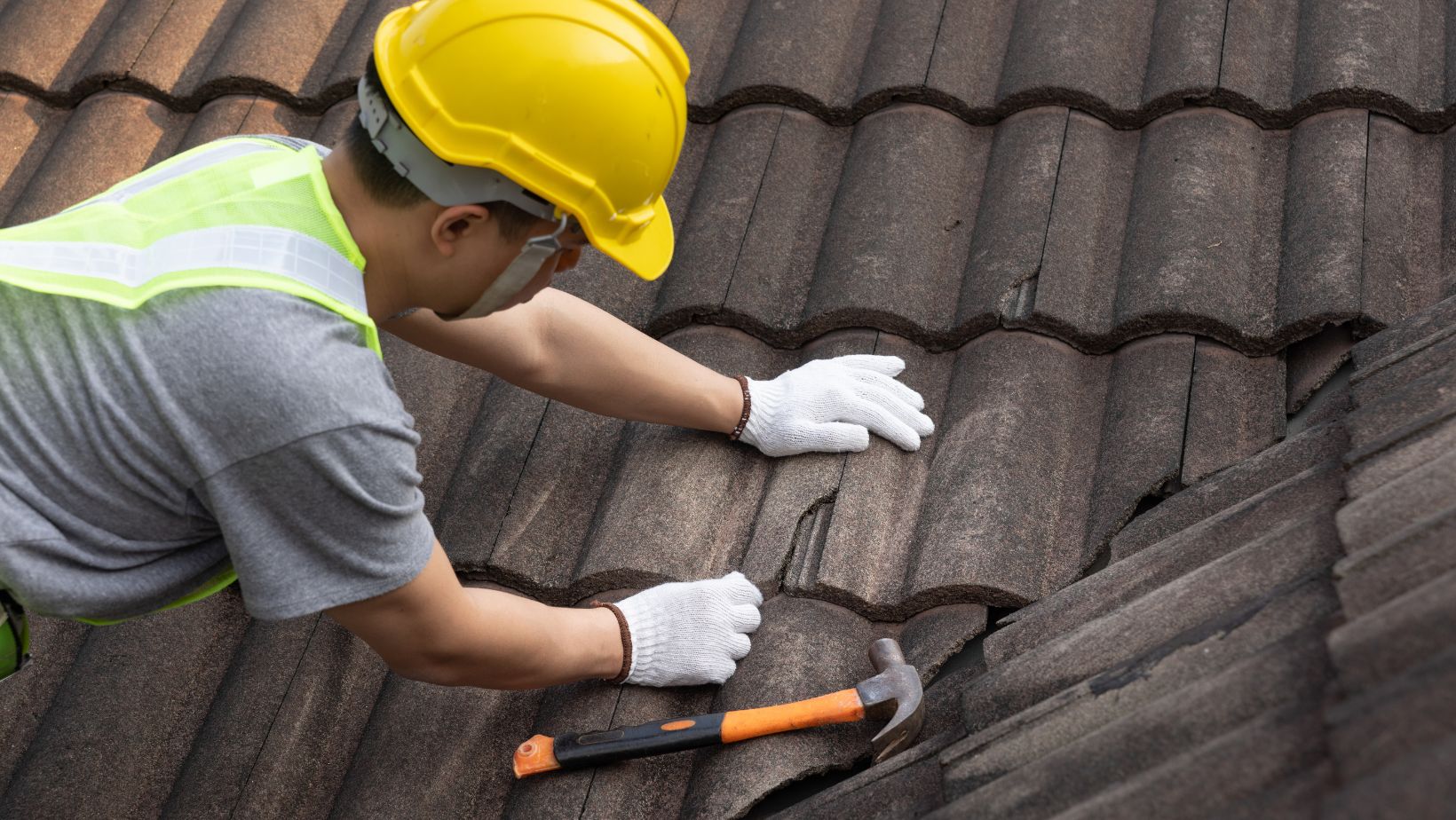
Even with durable materials and reinforced installation methods, ongoing maintenance is vital in preserving a coastal roof. Roofers often advise homeowners in these regions to conduct visual inspections twice a year, especially after storm season. Look for rusted fasteners, algae streaks, wind-lifted shingles, or signs of moisture damage on soffits and fascia boards. Cleaning the roof to remove salt, sand, and organic debris helps prevent premature aging and improves drainage. Trimming nearby trees and ensuring gutters remain clear can also reduce the chance of water backup or mechanical damage during storms.

In some cases, depending on the material type, pressure washing may be used cautiously to restore appearance and performance. Roofers emphasize the importance of catching small issues early before they develop into significant repairs. With a proactive approach to upkeep, even a coastal roof exposed to daily stress can provide decades of reliable service.
Planning for Climate, Not Just Curb Appeal
Homes in coastal regions require roofing systems designed for aesthetic value and endurance against a demanding environment. From salt-resistant materials and wind-reinforced installation techniques to ventilated attic systems and regular upkeep, every decision plays a part in maintaining structural integrity and homeowner comfort. Roofing contractors who understand these conditions tailor their recommendations to ensure each system component works together to manage moisture, resist wind, and reduce heat. By choosing wisely and maintaining consistently, homeowners can enjoy their coastal setting without constant worry about the roof overhead.