
Creating your own DIY hydroponic garden is not just a weekend project—it’s a practical step toward growing cleaner, faster, and smarter. Hydroponic gardening provides a soilless path to fresh produce year-round, regardless of whether you’re an apartment dweller with limited space or an enthusiastic gardener looking to experiment. With the right tools, mindset, and a little guidance, your countertop or balcony can transform into a thriving ecosystem.
From beginner-friendly setups to scalable systems, hydroponic systems have become a key resource for anyone looking to bring hydroponic gardening home. Their deep knowledge base and product guides empower growers to start confidently and adapt along the way.
Why DIY Hydroponic Garden?
Building your own system puts you in control of your environment and your harvest.
A DIY hydroponic garden allows you to customize every element of your growing space—from container size to nutrient flow to lighting. Unlike traditional soil gardens, hydroponics eliminates the guesswork of watering and fertilizing. Your plants receive exactly what they need, when they need it, in a clean, controlled system that reduces pests and disease.
The startup cost is often lower than most assume. Using household materials like storage bins, PVC pipes, and aquarium pumps, you can build a functional system that rivals store-bought alternatives. And the satisfaction of watching leafy greens thrive in a setup you built yourself is unbeatable.
Choose the Right System for Your Space
Matching your environment with the right design is crucial to success.
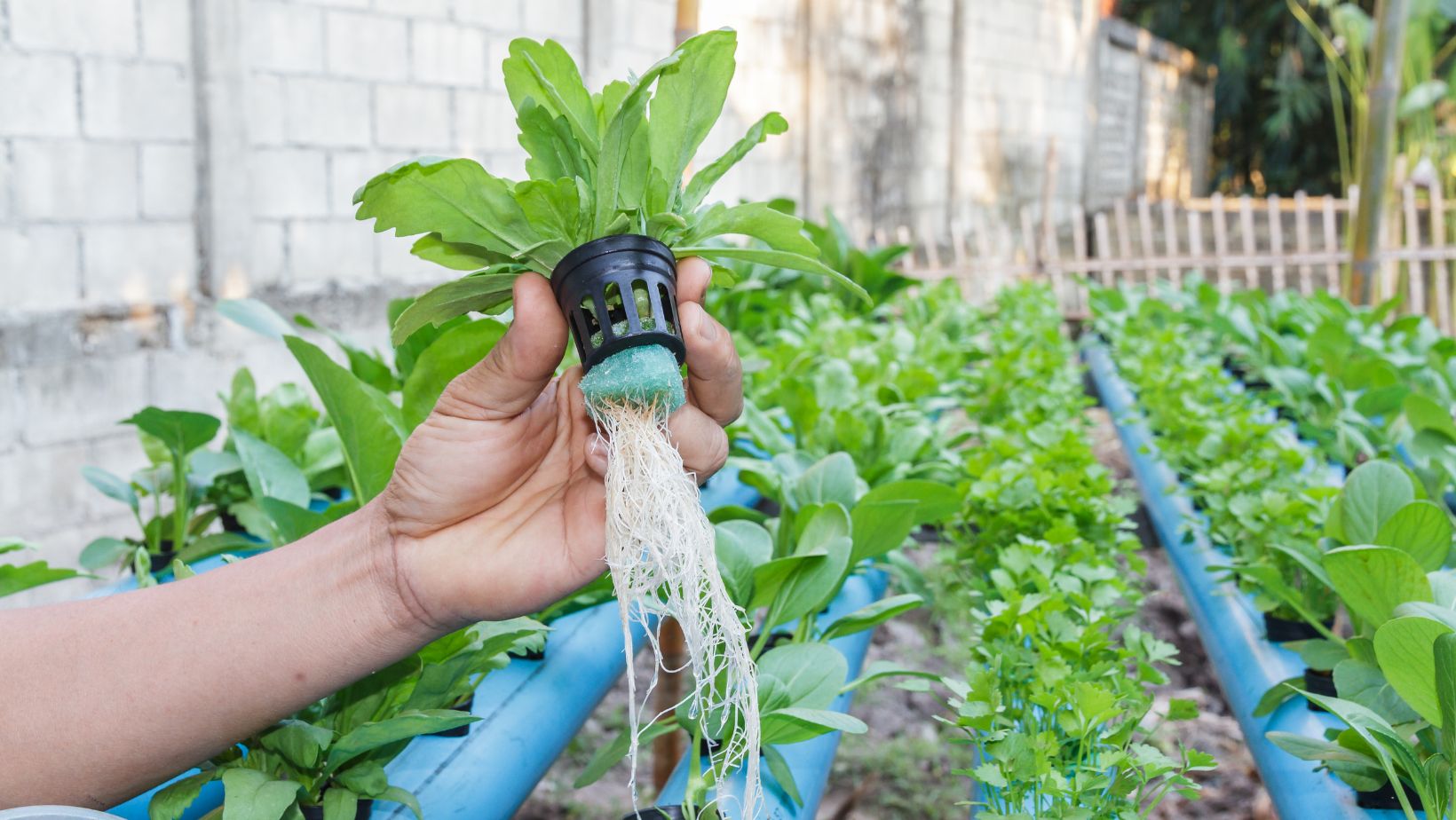
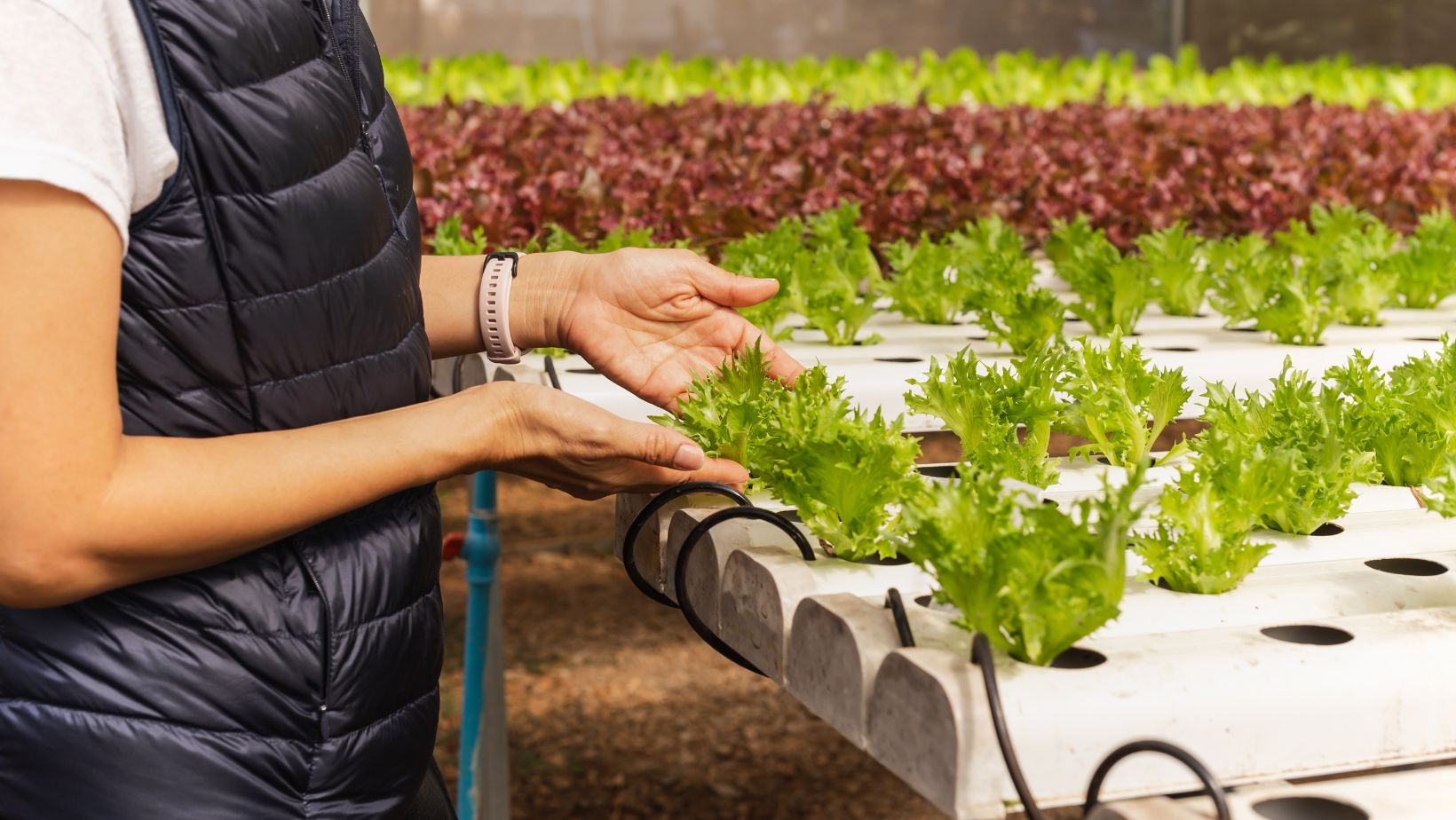
Hydroponic gardening allows a variety of systems, particularly for DIY enthusiasts. Compact vertical towers are great for small spaces, while deep water culture (DWC) systems suit beginners with a bit more room. Nutrient film technique (NFT) setups are ideal for herbs and greens, and ebb and flow systems offer flexibility for growing a wide range of plants.
There are really useful platforms nowadays, giving guides for setting up a hydroponic system at home, walking users through everything from material lists to reservoir hacks and pH balancing tips.
With their help, you can decide whether you need an indoor shelving unit with LED grow lights or a backyard solution using recycled rainwater tanks.
Getting Started: What You’ll Need
The essentials are simpler than you think, and most are surprisingly accessible.
To begin your DIY hydroponic garden, you’ll need containers to hold your water and nutrient solution, a growing medium (like clay pebbles or rockwool), an air pump for oxygenation, and net pots for your plants. You’ll also need a reliable nutrient solution formulated for hydroponic use and basic tools for cutting, sealing, and measuring.
For light, natural sunlight can work if you’re growing near a window. Otherwise, LED grow lights provide consistent coverage and efficiency. After setting up your system, your primary responsibility is to monitor water levels and adjust nutrients, a quick weekly task that ensures everything thrives.
Beyond tools and supplies, inspiration is equally important. The Hydroponics360 Instagram account is full of real-world examples from home growers around the world. Their posts showcase everything from countertop lettuce bowls to closet-grown basil forests—proof that with a little ingenuity, any space can bloom.
Mistakes to Avoid When Starting Out
Even the most basic hydroponic gardens entail a learning curve.
Overfeeding plants, skipping pH checks, or letting light schedules go unmanaged can all lead to disappointing results. Many new growers underestimate the importance of water temperature and oxygenation—two factors that directly impact root health.
The good news is that these issues are easy to fix once you understand the signs.
Scaling Up from Your First Success
Growing more becomes easier than you might think once you get the hang of it.
Many first-time growers start with herbs or leafy greens, then move on to tomatoes, peppers, or even strawberries. Expanding your system could be as simple as adding more containers or integrating vertical growth. Hydroponic systems are modular by nature, and that’s what makes them ideal for DIYers.
When DIY Becomes a Lifestyle
The beauty of hydroponic gardening is how it blends innovation with simplicity.
A well-tuned DIY hydroponic garden can produce more food in less space, using less water and fewer resources. But more than that, it creates a rhythm in your day: checking on your plants, adjusting their environment, and harvesting fresh greens straight into the kitchen. It connects you to what you eat in a way that’s tactile, intuitive, and deeply rewarding.
And with a growing community of at-home growers sharing ideas, mistakes, and victories, you’re never truly on your own.
FAQs
What’s the easiest hydroponic system to build at home?
Deep Water Culture (DWC) systems are beginner-friendly, low-cost, and easy to set up with minimal tools.
How much space do I need for a DIY hydroponic garden?
Even a single shelf or sunny window can support a compact setup. Vertical and stackable systems make it easy to grow in tight spaces.
Can I use tap water?
Yes, but it’s best to let it sit for 24 hours or test its pH. A pH between 5.5 and 6.5 is optimal for most plants.
How do I know what nutrients to use?
Hydroponic nutrient blends are specifically balanced for soilless systems. Avoid standard soil fertilizers. And you can always click and go to Hydroponics360’s website to learn what you need about hydroponics.
Do I need grow lights?
If you don’t have consistent access to 6+ hours of sunlight, LED grow lights will help maintain healthy growth year-round.