
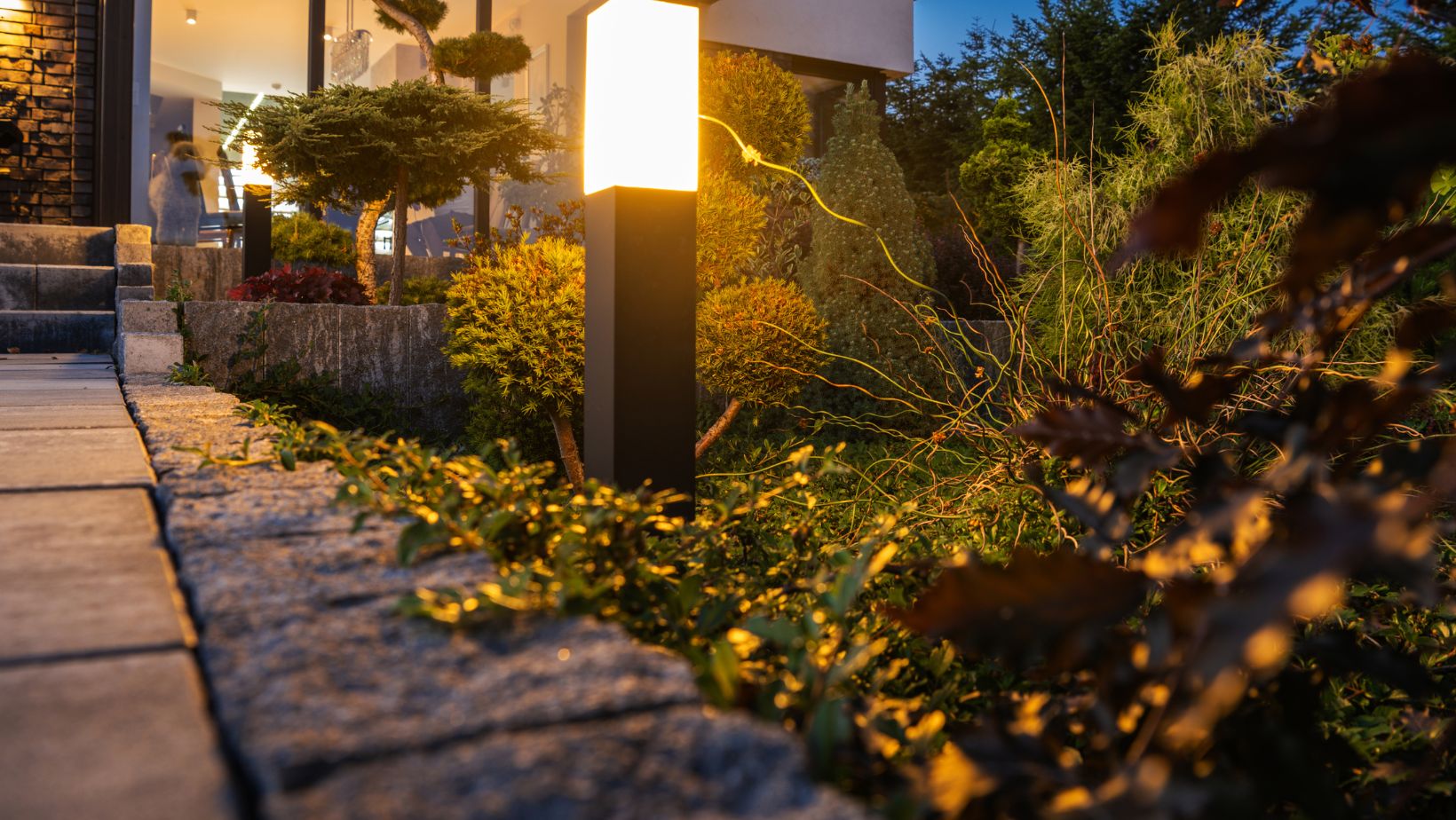
You don’t need a full landscaping overhaul or a giant budget to transform your garden. Sometimes, all it takes is the right lighting. Whether you’re hosting friends, dining outdoors, or just winding down at the end of the day, outdoor lighting is the quickest and most effective way to set the mood and make your space feel warm, welcoming, and just a little bit magical. If you’re also looking to tidy up your garden edges or keep your lawn looking sharp, check out WORX outdoor power tools for efficient, cordless solutions that make garden maintenance effortless.
Start with the Purpose of Your Space
Before you start buying anything, think about how you actually use your garden. Do you entertain guests often? Is it a place for quiet evenings and a glass of wine? Maybe it’s more about keeping things practical, like lighting the path to the shed.
Once you’re clear on your main priorities, you can choose lighting that fits both your needs and your style — and avoid wasting money on features that won’t get used.
Layer Your Light Like a Pro
The best lighting designs use layers — a combination of ambient, task, and accent lighting — to create a space that feels thoughtful and dynamic rather than flat or overly bright.
- Ambient lighting is your base layer. Think string lights, hanging lanterns, or wall-mounted fittings that provide general visibility.
- Task lighting is about function. Use it around steps, entryways, or the BBQ area to improve safety and usability.
- Accent lighting adds drama and highlights. Position spotlights to illuminate trees, sculptures, or garden beds to give your space extra depth and visual interest.

This layered approach helps create mood without sacrificing visibility.
Choose Warm, Inviting Tones
Cool white or blue-toned lights can feel harsh and out of place in a relaxed garden setting. For a more inviting vibe, choose warm-toned globes (around 2700K to 3000K). These mimic the gentle glow of candles or firelight — ideal for winding down or creating a cosy atmosphere.
Solar lights can be a great option too — just make sure you pick ones that are bright enough and offer a warm glow instead of the usual cold white tone.
Make Seating Areas a Focal Point
If you have an outdoor lounge or dining table, this should be the heart of your lighting plan. Overhead string lights or festoon bulbs instantly set the scene for gatherings, while table lanterns or candles add intimacy.
Try mixing fixed lighting (like wall sconces or pendant lights) with portable options. Rechargeable LED lamps or battery-operated lanterns are easy to move and help extend your garden’s usability into the evening without fuss.
Use Lighting to Highlight Your Best Features
Got a beautiful tree, water feature, or architectural wall? Show it off after dark with carefully positioned spotlights or uplighting. Even something simple like a row of ornamental grasses or potted plants can become a standout feature when softly lit from below.

This not only gives your garden a more polished, intentional look — it also creates visual layers that make the space feel bigger and more luxurious.
Keep Safety and Practicality in Mind
While ambience is the goal, safety should never be overlooked. Be sure to illuminate:
- Pathways and walkways
- Steps and level changes
- Entryways and doors
- Dark corners or out-of-sight zones
Sensor lights are a good idea for utility areas, while low-profile path lights or bollards add visibility without drawing attention to themselves.
Don’t Go Overboard
It’s easy to get carried away with lighting, but restraint is what keeps things feeling stylish. You want soft pools of light, not a garden that feels like a sports stadium. Avoid lighting every tree or flooding the space with overhead beams — it’s the contrast between light and shadow that gives your garden depth and ambience.
Try testing your lighting layout before installing anything permanently. A few solar or temporary plug-in lights can help you experiment with placement and brightness.
Lighting is the unsung hero of garden design. It’s what turns a plain backyard into a space that invites you in and makes you want to linger. And the best part? You don’t need to spend a fortune or wait for a full garden makeover. With the right approach and a few well-placed lights, you can create ambience instantly — and enjoy your garden long after the sun goes down.