A roofing project marks a significant investment in your property’s protection and value. Once the installation is complete, the process is not over—homeowners should anticipate an important next step: the post-installation inspection conducted by the roofing contractor. This inspection ensures that the roof is installed properly, meets quality standards, and will perform well over time. Understanding what happens during this inspection can help you feel confident about the work done and identify any areas needing attention before finalizing the project. We will explore the essential elements and purposes of a roofing contractor’s post-installation inspection and what homeowners should look for to ensure their new roof offers reliable protection.
What Happens During a Post-Installation Roof Inspection?
After the roofing materials have been installed, the Reign Roofing contractor will typically perform a detailed inspection to assess the quality and completeness of the work. This inspection serves several functions: it verifies that all components are correctly installed, checks for any visible damage, and confirms that the roof meets the manufacturer’s and industry standards. The contractor also identifies any minor issues that may require correction before officially closing the job. Here are five key aspects you should expect during this inspection:
Verification of Installation Accuracy
One of the primary purposes of the inspection is to confirm that every part of the roof has been installed according to the project plan and manufacturer guidelines. The contractor will review the placement of shingles or other roofing materials, ensuring that nails, adhesives, and flashing are correctly applied. Proper alignment and attachment are critical to preventing leaks and extending the roof’s lifespan. The inspector may also check that underlayment and ventilation systems are properly installed since these play crucial roles in the home’s moisture management and temperature regulation.
Identification of Visible Defects or Damage
During the inspection, the contractor will look closely for any signs of damage that may have occurred during installation or potential flaws in the materials themselves. This could include cracked shingles, missing pieces, or improperly sealed joints. Spotting these issues early allows the contractor to address them promptly, minimizing future risks such as water infiltration or premature wear.
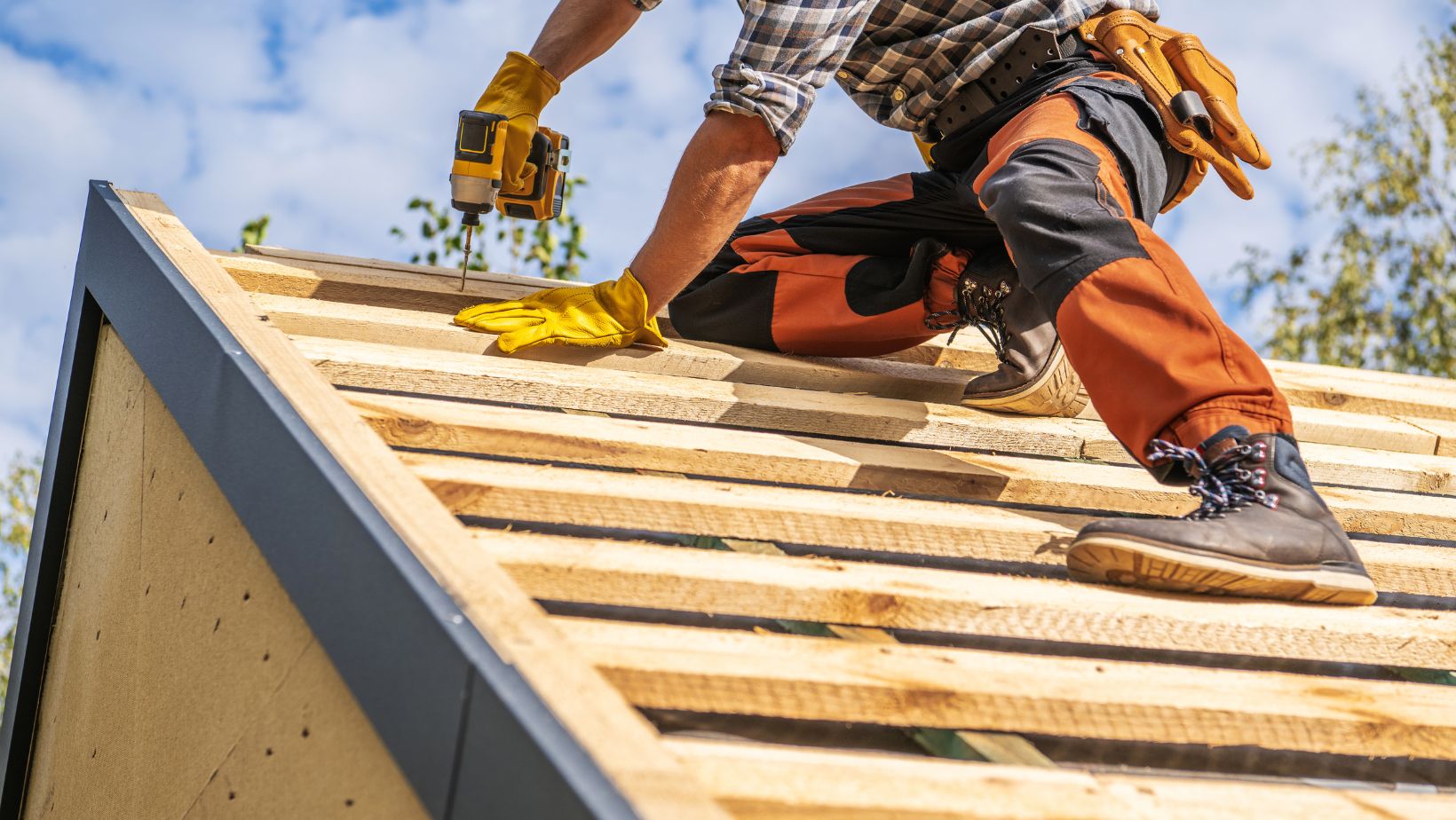
The inspection also includes checking the roof edges, valleys, and around chimneys or vents where water is most likely to penetrate if the work isn’t done properly.
Assessment of Flashing and Sealants
Flashing is crucial in roofing as it directs water away from joints and prevents leaks. The post-installation inspection will thoroughly check all flashing installed around chimneys, skylights, vents, and valleys. The contractor will examine the metal or rubber flashing for secure attachment and proper sealing to ensure it effectively protects vulnerable areas. Sealants applied during the roofing process will be inspected to confirm they are intact and free from cracks or gaps. Ensuring these components are properly executed can significantly reduce the chances of water damage over time.
Verification of Clean-Up and Site Safety
A clean and safe job site is often a good indicator of professional workmanship. As part of the post-installation inspection, the contractor will assess whether debris such as nails, shingles, or packaging materials has been thoroughly removed from the roof and surrounding areas. Leftover debris can pose hazards for residents and maintenance workers and may even cause damage to gutters or landscaping. The contractor will also confirm that the roof’s drainage system is blockage-free, allowing rainwater to flow from the structure efficiently.
Final Walkthrough with the Homeowner
The inspection typically concludes with a walkthrough involving the homeowner. This allows the contractor to explain the work performed, point out any maintenance tips, and address any concerns the homeowner may have noticed.
As you compare the scope presented to what was installed, it helps to understand how legitimate bids are built—measurements, waste factors, materials, labor, rentals, overhead, and profit. See this [roof estimating 101 guide] for a clear breakdown plus a free checklist you can use to review your contractor’s estimate.
It’s also a chance for the homeowner to ask questions about the warranty, expected roof lifespan, and steps to take if issues arise in the future. This transparent communication helps build trust and ensures that the homeowner fully understands the condition of their new roof and how to care for it.
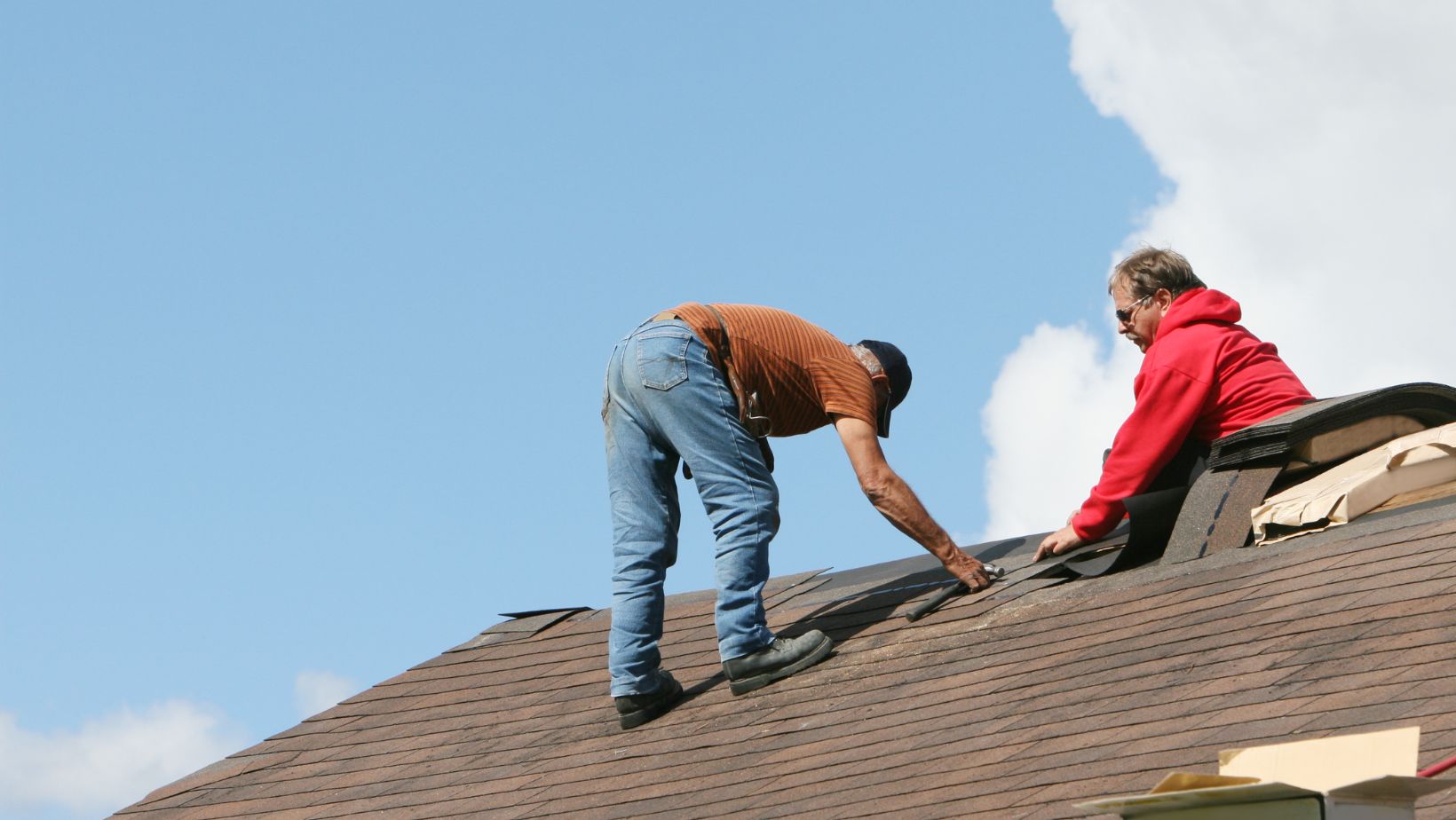
A post-installation inspection is important beyond simply confirming the job is complete. It reassures homeowners that the roofing project was carried out carefully and according to proper standards. It can prevent minor problems from turning into costly repairs and is a valuable quality check before closing the project. Knowing what to expect during this inspection allows you to actively participate and ensure your investment is protected.
A roofing contractor’s post-installation inspection is a comprehensive process designed to verify installation quality, identify any issues, and confirm the roof’s readiness to protect your home. From checking material placement and flashing to site clean-up and homeowner walkthroughs, each step plays a vital role in securing long-term performance. By understanding this process, you can approach your roofing project more confidently and ensure that your new roof delivers the protection and peace of mind you expect.