
When a storm hits, the immediate concern for homeowners and property managers is safety, followed by the urgent need to protect the structure from further damage. Emergency tarping is a critical first step in storm damage repair, providing a temporary but effective shield against the elements. Whether the storm has ripped off shingles, dislodged siding, or caused tree limbs to crash through roofs, tarping buys valuable time before full repairs can be made. We will explore how emergency tarping functions as a stopgap and a strategic approach to minimizing long-term repair costs and maintaining structural integrity.
How Emergency Tarping Supports Effective Storm Recovery
1. Preventing Further Water Damage
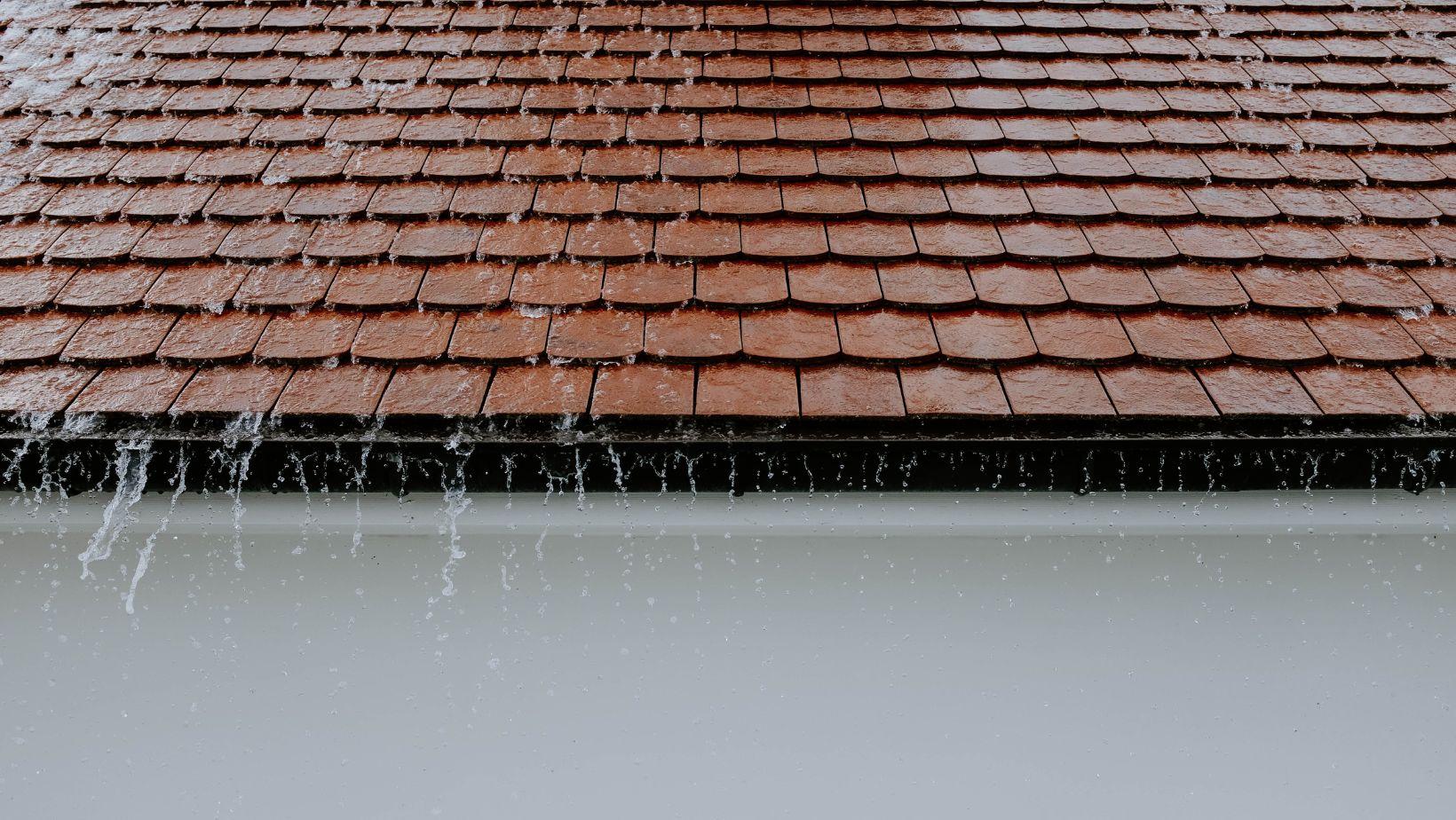
Water infiltration becomes the primary threat after a storm compromises a roof or building exterior. Emergency tarping blocks rainwater from entering the structure, helping prevent the spread of water damage to ceilings, insulation, drywall, and personal belongings. Companies like AAA Midwest Roofing in Kansas City emphasize the importance of quick tarping to avoid further damage. Once water gets in, it can rapidly accelerate mold growth and cause structural deterioration. By sealing off openings quickly, tarping reduces the risk of secondary damage that would otherwise multiply repair costs and extend timelines. Water-damaged interiors often require complete tear-outs, dehumidification, and reconstruction. Tarping within hours of damage can preserve much of the interior, especially during ongoing storm conditions when scheduling full repairs is not immediately possible. The earlier the tarp is applied, the more effective it is in halting cascading damage.
2. Stabilizing Roof Structures
Storms can compromise the integrity of a roof without causing a full collapse. High winds may lift shingles or displace flashing, creating entry points for water and air. In severe cases, the roof decking may be punctured by debris. Tarping provides immediate stabilization by anchoring a durable barrier over vulnerable sections. This helps maintain pressure balance in the attic and prevents further material loss or shifting during aftershocks or additional weather events. Tarping can also help reduce the weight of accumulated rain by deflecting it away from weakened areas, reducing the chance of total failure. Moreover, by securing a tarp tightly, contractors can keep exposed beams and joists from absorbing moisture, allowing the structure to remain viable until professional roofers assess the damage and recommend permanent solutions.
3. Acting as an Insurance Requirement
Many insurance companies expect policyholders to take “reasonable steps” to prevent further damage after a storm, and emergency tarping often fulfills that obligation. Failing to protect the property may lead to reduced or denied claims, even if the original storm damage would otherwise be covered. Emergency tarping prevents further deterioration and serves as documentation that the homeowner acted responsibly. In claims processes, photographs of the tarp in place can demonstrate due diligence, helping to expedite approvals and reduce disputes. Insurance adjusters are more likely to approve a comprehensive settlement when the property has been properly stabilized. Additionally, reputable restoration contractors often include tarping as part of their standard emergency services, which can be billed directly to the insurer. This makes it a strategic and financially prudent step that aligns with policyholder obligations.

4. Maintaining Indoor Air Quality
Beyond structural preservation, emergency tarping contributes significantly to indoor air quality. When water enters a home, the humidity levels inside rise quickly, creating a fertile environment for mold spores. Within 24 to 48 hours, surfaces like drywall and carpeting may become breeding grounds for harmful bacteria and allergens. A properly secured tarp can stop the influx of rainwater and humidity, keeping the internal climate of the building more stable. This is especially crucial for occupants with respiratory conditions or allergies, as mold exposure can aggravate health problems. By reducing moisture entry, tarping minimizes the need for extensive mold remediation. Moreover, if HVAC systems remain dry, they are less likely to spread airborne contaminants throughout the building. Therefore, emergency tarping becomes more than just an external solution—it protects the health and comfort of everyone inside.
5. Creating a Safe Work Environment for Repairs
Another overlooked benefit of emergency tarping is the way it sets the stage for safe and efficient permanent repairs. A damaged roof or wall presents hazards not just to residents but also to contractors and emergency personnel. Loose shingles, cracked beams, and sagging ceilings are dangerous under unstable weather conditions. Tarping creates a more controlled environment by containing debris and shielding workers from wind and water exposure. This safety enhancement speeds up inspections and assessments by making areas more accessible. For instance, roofers and insurance adjusters can navigate the site with reduced risk, allowing them to evaluate and document the damage more thoroughly. Additionally, tarping helps mark off damaged zones so that contractors can prioritize which sections to rebuild first. In this way, it contributes directly to a streamlined recovery process.
Emergency tarping may seem temporary, but is foundational in storm damage repair. From preventing water intrusion and structural collapse to ensuring safety and insurance compliance, tarping offers multiple layers of protection. It is not merely a stopgap but an essential early intervention that allows for better planning and faster restoration. In an era of increasingly volatile weather patterns, understanding and utilizing emergency tarping can make the difference between a manageable repair and a total property loss.