When winter strikes, a warm room feels like pure bliss. That warm comfort comes from an archaic radiator whose silent power has always provided warmth.
But how do radiators manage to transfer heat so efficiently? What differentiates designer radiators from the long-gone sort?
This guide explains everything simply, clearly, and practically. We’ll explore how radiators work and how designer options can enhance both comfort and interior aesthetics.
What Is a Radiator and What Does It Do?
A radiator acts as a heat emitter. Typically, it takes heat from a central source—usually a boiler or electric unit—and transfers it into your living area by conduction, convection, and radiation.
Here is all about it, simply put:
- Hot water or steam enters the radiator.
- That heat is absorbed and retained in the radiator’s metal body.
- It subsequently emits this heat out to the surrounding air, heating the room.
While traditional radiators were primarily functional, today’s designer radiators serve a dual role, providing reliable warmth and elevating your interior décor.
Types of Radiators
There are several varieties of radiators, each differing in the heating process. The three most common varieties are:
A. Hot Water Radiators
Majorly used in contemporary central heating systems, they circulate hot water in a network of closed-loop pipes. During its transit through the radiator, the hot water gives heat to the room.
It returns to the boiler after it cools down to be heated again. Hot water radiators give very steady, silent, and uniform heating in a room. They work best in energy-efficient and insulated homes.
B. Steam Radiators
Steam radiators are common in older apartments and heritage homes. They use steam instead of water to deliver heat quickly. Steam rises through pipes, fills the radiator, and then condenses. These disperse a great deal of heat in a short time, sometimes causing noise.
C. Electric Radiators
In the absence of a central heating system, the electric radiators provide a proper alternative. They simply plug into a wall outlet and operate on their own. It is great for single rooms or zoned heating.
How Designer Radiators Work: Step-By-Step
Designer radiators are more than heating devices; they’re crafted with visual appeal in mind, combining technical performance with design intent. Designer Radiators look simple yet provide good heating. Here’s how the process takes place in a clear stepwise cycle.
Step 1: Water is Heated in the Boiler
Heating water by the boiler is the start of heating. Water is heated by the burning of gas or oil or by electric energy. The water becomes very hot before the passage through the system.
Step 2: Hot Water Flows through the Pipes
From there, the hot water flows toward the radiators through insulated pipes. Each of the radiators is linked by a closed-loop circuit. Pumps push the water effectively to different rooms.
Step 3: Radiator Absorbs and Releases Heat
Hot water enters the radiator and warms its metal surface. Heat transfers to the room through convection and mild radiation.
- Warm air rises above the radiator
- Cooler air flows in below
- Air circulation spreads heat throughout the space
In designer models, this performance is paired with aesthetics. The modern forms of steel, aluminum, and glass materials include slim vertical panels, sculptural fins, and ladder-like silhouettes that match furniture and wall finishes.
Step 4: Water Cools and Returns to the Boiler
As the heat is given up to the environment by the radiator, the water inside cools down. This cooled water flows out of the radiator back to the boiler for reheating so that the process may recommence.
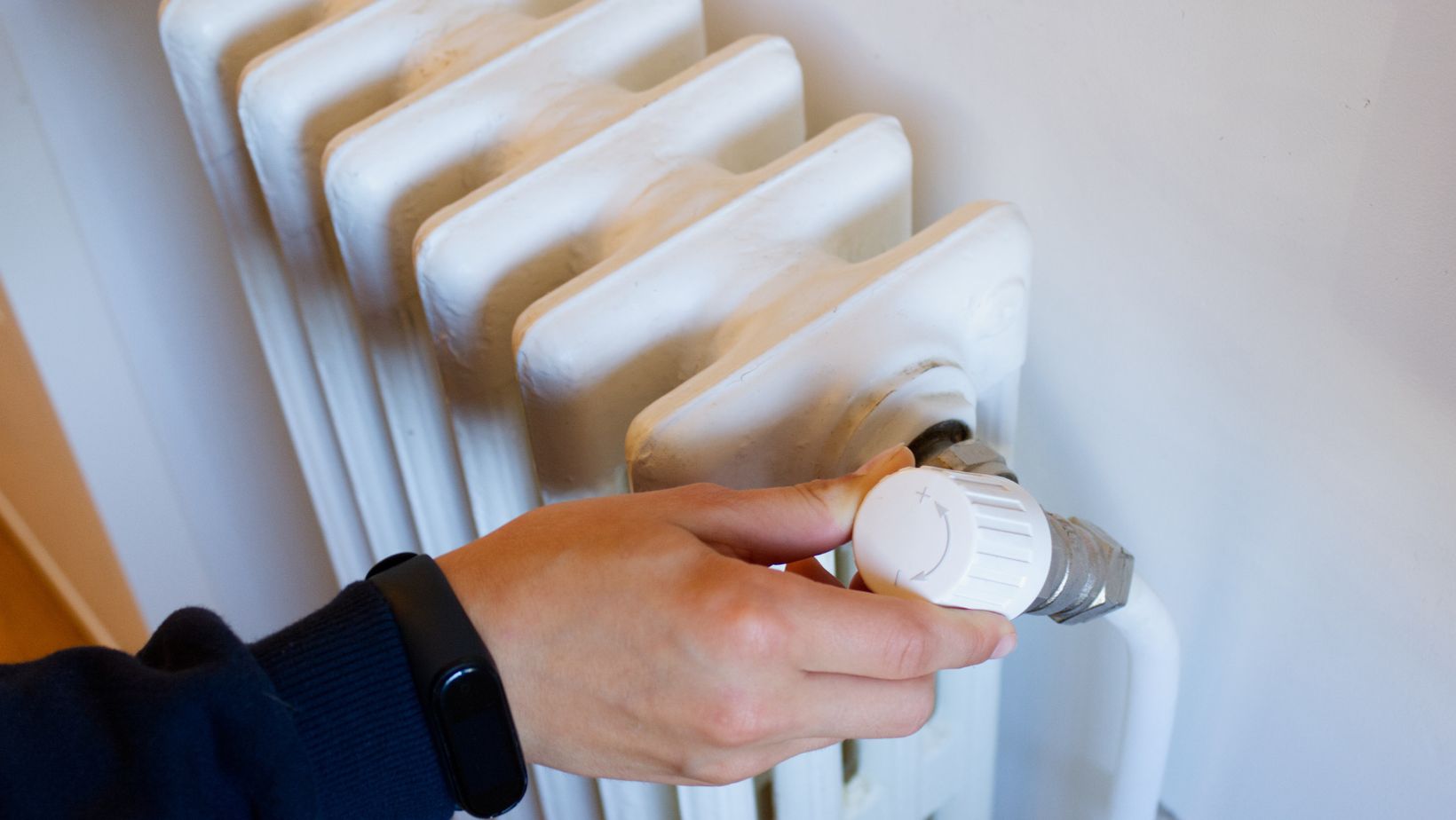
Step 5: Thermostats or Valves Control Heat
Thermostats or valves control the temperature on modern heating systems. This offers an advantage regarding efficiency and heat from being wasted.
 Radiators work in a continuous, silent cycle of heat transfer. With good placement and care, they keep your space consistently warm.
How to Improve Your Designer Radiator’s Performance
Here’s how to keep your radiators working their best:
- Bleed them regularly to remove air pockets.
- Use radiator reflectors to bounce heat back into the room.
- Install TRVs to control the heat room by room.
- Keep the surface clean for better heat transfer.
Modern designer radiators function optimally with these techniques because they deliver both high performance and stylish design elements. Radiators made from brushed aluminum and anthracite finishes and colored panels transform into design elements that surpass their background status. These radiators work well with contemporary interior designs, or they can create a bold visual effect in traditional settings.
Conclusion: Radiators Do More Than You Think
Radiators will not simply warm up the room: they define comfort. If you understand how they work, where to place them, and how to maintain them, you gain the full advantage.
And when you upgrade to a designer model, you don’t merely warm your house you fashion it. These radiators function just like regular ones, yet they beautify the room through design-minded details that enhance your living room.
Good living is not merely staying warm; it is mastering heating. Radiators, and particularly well-selected designer varieties, enable it in every home.