

Staying warm in cold conditions depends on choosing the right diesel heater. These heaters work well in vehicles, workshops, and small living spaces because they provide steady heat without drawing much power. The most important features to look for in a diesel heater are safety, efficiency, easy controls, and the right heating capacity for the space.
Modern heaters often include automatic shut-off, timers, and built-in thermostats, which make them safer and easier to manage. Models like the 8kw diesel heater from VEVOR combine quick heating with low fuel use, making them a strong choice for both vehicles and indoor areas. Looking at these features before buying helps avoid problems later.
By focusing on the right details, anyone can match a heater to their needs without guesswork. The following guide highlights the five features that matter most when deciding which diesel heater will perform best.
Key Takeaways
- A good diesel heater balances safety, control, and heating power
- Choosing the right model depends on how and where it will be used
- Practical features make operation easier and more efficient
Key Features to Consider in a Diesel Heater
A diesel heater works best when its heating power matches the space, its fuel use stays efficient, and its design supports safe and steady performance. Features like the combustion chamber layout, heat exchanger quality, and automatic altitude adjustment can make a big difference in daily use.
Heating Power and Efficiency
Heating power determines how much warmth the diesel air heater can provide. Common models range from 2kW to 8kW, with a 5kW diesel heater being a popular choice for small to medium spaces such as RVs, workshops, or cabins. Choosing the right output prevents wasted fuel and avoids overheating.
Heater efficiency is equally important. A well-designed diesel heater should convert most of the fuel into usable heat rather than losing energy through exhaust. Higher efficiency means faster heating and lower operating costs.
Many heaters use a fan to circulate warm air evenly. This design helps maintain consistent temperatures across the room rather than creating hot and cold spots. For larger areas, higher wattage models may be necessary to maintain comfort.
Fuel Efficiency and Consumption
Fuel efficiency affects both operating cost and convenience. A diesel heater that burns less fuel over time reduces expenses and requires fewer refills. On average, a 5kW diesel heater may consume between 0.1 to 0.5 liters of diesel per hour, depending on the heat setting.
Lower consumption also means less strain on fuel storage, which is important for mobile setups like campervans or boats. When heaters run for long hours, even small differences in fuel use add up.
Some models include adjustable settings that allow users to fine-tune consumption. Running the heater on a lower setting for longer periods often provides steady comfort with less fuel waste compared to frequent high-output bursts.
Combustion Process and Heat Exchanger Design
The combustion process happens inside a sealed combustion chamber, where diesel fuel mixes with air and ignites. A good design keeps combustion clean, which reduces smoke, odor, and carbon buildup. Clean burning also helps extend the lifespan of the heater.
The heat exchanger separates the combustion gases from the air that circulates into the living space. This design keeps harmful exhaust outside while delivering safe, warm air indoors. High-quality exchangers transfer heat efficiently without leaks.
Regular maintenance, such as checking the combustion chamber and cleaning carbon deposits, helps maintain efficiency. Poor design or lack of upkeep can lead to reduced heater efficiency and higher fuel use over time.
Automatic Altitude Adjustment
At higher elevations, air density decreases, which affects the combustion process. Without adjustment, a diesel heater may burn fuel inefficiently or produce excess smoke. Automatic altitude adjustment solves this by changing the fuel-air mix to match the thinner air.
This feature is especially useful for people traveling through varying elevations, such as in mountain regions. It allows the heater to maintain stable performance without manual tuning.
Not all diesel air heaters include this function, so it is worth checking before purchase. For users who often move between sea level and high-altitude areas, automatic adjustment can prevent poor combustion and extend heater life.
Practical Considerations for Choosing the Right Diesel Heater
When choosing a diesel heater, people often weigh how easy it is to install, how long it will last, how portable it is, and whether it matches their budget. Each of these factors affects how well the heater fits into daily use, whether in a camper van, RV, workshop, or small living space.
Installation and Ease of Use
A heater that is simple to install saves time and reduces frustration. Many 12v diesel heaters are designed for DIY installation, but some may require professional help depending on the setup. Clear instructions, labeled wiring, and straightforward fuel line connections make the process easier.
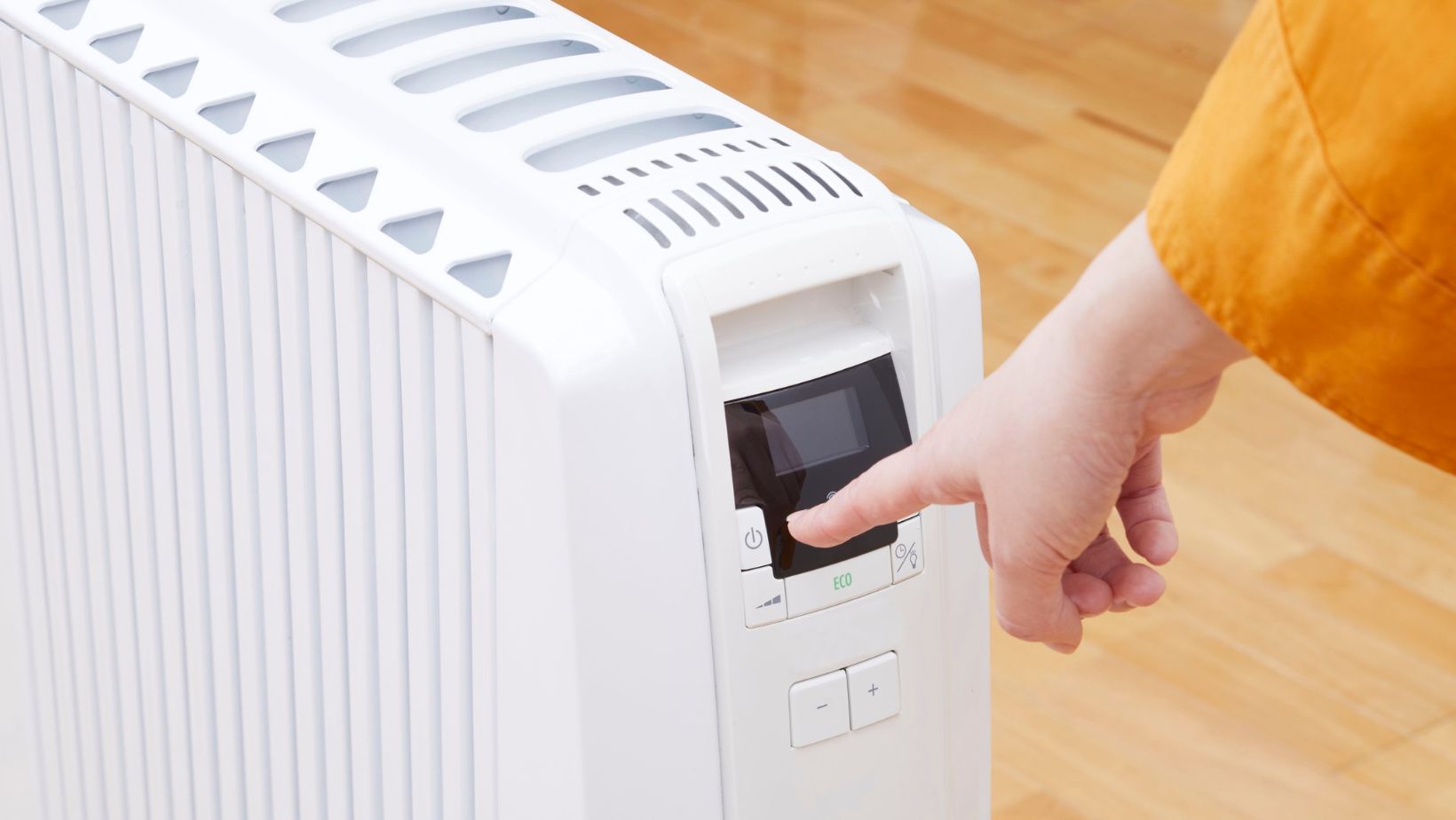
Ease of use also matters once the heater is running. A good control panel or remote allows the user to adjust temperature and fan speed without hassle. Some heaters also include timers, which are especially useful for van diesel heaters or camper van diesel heaters where heating needs change throughout the day.
Compatibility with existing fuel tanks is another point to check. A heater that connects directly to the vehicle’s diesel supply avoids the need for a separate tank. For smaller portable diesel heaters, an integrated tank may be more practical, especially when used outside of vehicles.
Durability and Build Quality
The build quality of a diesel heater determines how well it holds up over years of use. A heater with a sturdy casing and quality seals resists wear from vibration in vehicles like RVs or trucks. Stainless steel combustion chambers and corrosion-resistant parts also extend the lifespan.
Durability is especially important for diesel parking heaters that run for long hours in cold conditions. A poorly built unit may clog, leak, or lose efficiency over time. Regular maintenance such as cleaning filters and checking fuel lines helps, but the initial build quality sets the foundation.
Comparing a diesel heater to alternatives like propane heaters or electric heaters highlights the advantage of long-term durability. Diesel models are often chosen because they can run for many seasons with fewer breakdowns when built with care.
Portability and Compact Design
A compact diesel heater is easier to fit into tight spaces like camper vans or small RVs. Units with a slim profile or all-in-one design take up less room while still providing steady heat. This makes them a good choice for people who want warmth without losing storage space.
Portability also matters when the heater is used outside of vehicles. A portable diesel heater with a carrying handle and integrated fuel tank can be moved between a garage, workshop, or tent. This flexibility makes it more functional than a fixed installation.
Weight should also be considered. Lighter heaters are easier to handle during setup or when moving between locations. For frequent travelers, a heater that balances compact size with enough heating capacity offers the most practical use.
Budget and Value for Money
Price alone does not determine the best choice. A budget diesel heater may cost less upfront but could require more maintenance or replacement sooner. On the other hand, a higher-priced unit with better materials may save money in the long run.
When comparing models, it helps to look at fuel efficiency. A diesel heater that uses less fuel per hour reduces ongoing costs. This is especially important for people who rely on heating daily in RVs or camper vans.
Value also comes from features. A heater with efficient controls, safety shut-offs, and low noise operation may justify a higher price. By weighing both upfront cost and long-term performance, buyers can select a heater that balances affordability with dependable use.
Conclusion
A diesel heater can make a big difference in comfort and practicality when used in a van, camper, or small space. The right model depends on how well it balances heat output, fuel use, safety, and ease of control.
When buyers compare options, they should focus on features like adjustable settings, safety functions, and efficient fuel consumption. These details help them choose a heater that matches both their space and their usage needs.
By keeping attention on the five key features, anyone can find a heater that provides steady warmth, simple operation, and dependable performance through the colder months.