Water heaters play a central role within households, providing a crucial supply of hot water needed for everyday activities such as showering, washing dishes, and laundry. The evolution of technology and increased interest in energy efficiency have given rise to a wide range of modern water heater options. Each option offers its unique set of benefits, encompassing not only the user’s convenience but also energy efficiency and cost-effectiveness.
Choosing the correct water heater for your needs is an important economic and environmental decision. This comprehensive guide aims to detail the pros and cons of conventional and modern water heater types, helping you navigate the water heater market and make the optimal choice for your specific requirements. Taking the time to compare hot water systems can help you find the right balance between performance, efficiency, and cost, ensuring your household’s needs are met without compromise.
Understanding the Basics of Water Heaters
At their simplest, water heaters are designed to heat and supply hot water to your household appliances and taps. Different types of water heaters accomplish this task in different ways – ranging from conventional storage tank heaters to modern versions like tankless, heat pump, and solar water heaters.
Choosing a suitable water heater depends on several factors, including the number of people in your household, your budget, the energy sources available in your location, and specific performance needs. One must also take into account the physical parameters like the space available for installation and the geographical location of the household, which can impact the effectiveness of certain types of heaters. Additionally, it’s important to understand energy efficiency ratings of heaters and their long-term implications on energy consumption and savings.
Traditional Tank Water Heaters: Pros and Cons
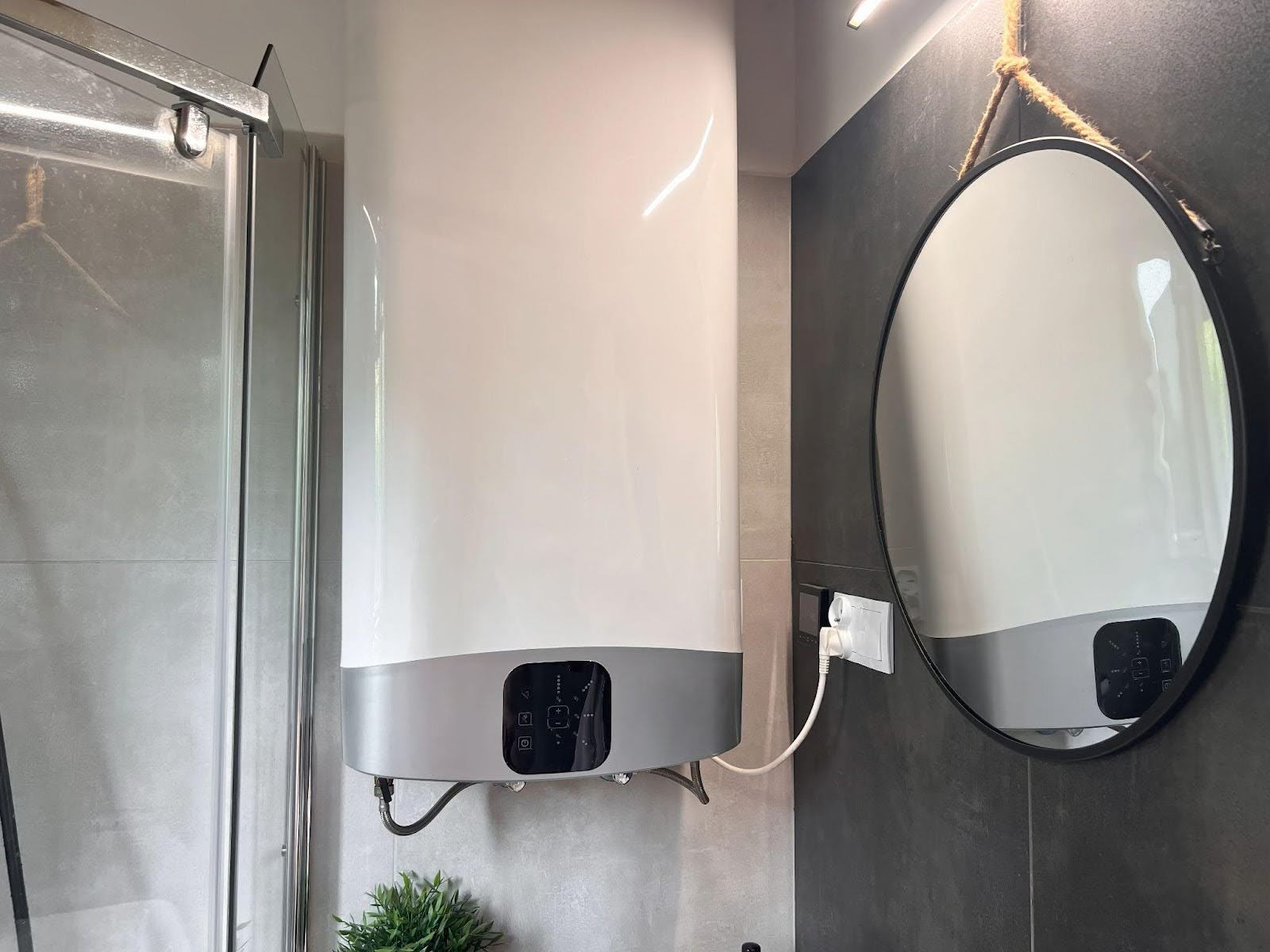
Let’s begin by assessing the traditional tank water heaters — time-tested units that store and heat large quantities of water within an insulated tank. The size of tanks can vary, commonly ranging between 150 and 300 litres, and maintain the water at a set temperature round-the-clock.
Although less complex than their modern counterparts, these conventional heaters have benefits such as lower upfront cost and relative ease of installation. However, they do consume more energy, as they continuously reheat water to keep it at the desired temperature, which can increase utility bills. Moreover, they require a considerable amount of space for installation and can run out of hot water during extended periods of use.
To optimise the efficiency of traditional tank water heaters, insulation of the tank and strategic placement can be beneficial. Timers to control the heating periods based on usage can also contribute to improving energy efficiency.
Tankless Water Heaters: Efficiency and Space-Saving
Tankless water heaters, also known as instantaneous or demand-type water heaters, have gained popularity in modern homes due to their energy efficiency. Unlike traditional heaters, they heat water directly without a storage tank, delivering hot water only as it’s needed.
One of the prime advantages of tankless water heaters includes higher energy efficiency and consequent energy bill savings. These units are also compact, free up space, and have a longer lifespan than traditional tank heaters. However, they do come with their own set of challenges, including higher initial purchase and installation costs. Additionally, they may struggle to provide sufficient hot water for simultaneous, multiple uses.
Installation location, proper setup, and routine maintenance are all crucial aspects to consider for obtaining the best performance and lifespan from tankless water heaters.

Heat Pump Water Heaters: Eco-Friendly Options
Heat pump water heaters, or hybrid water heaters, are relatively newer entrants into the market, notable for their eco-friendly operation. These units use electricity not to generate heat but to move heat from the air or ground into a water tank.
These heaters are well appreciated for their high energy efficiency, translating in lowered carbon footprint and cost savings over time. They are best suited to moderate to warm climates due to their reliance on ambient heat and can be less effective in cooler environments.
While the upfront cost may be higher than traditional units, the potential for long-term energy savings stands to offset this initial expense. As well as considering the initial purchase cost, potential buyers should also evaluate the space requirements of these systems, as they require sufficient clearance due to their size and air circulation needs.
Solar Water Heaters: Harnessing the Sun’s Power
Solar water heaters employ solar power, a renewable energy source, to heat water. These systems use solar panels installed on the roof to capture energy from the sun, which is then converted into heat for water.
These heaters appeal particularly to those with high environmental consciousness, offering lower utility bills and a way to utilise renewable energy. Like other modern water heaters, they come with a higher initial cost for the units and their installation compared to traditional tank heaters. However, they become economically attractive over time due to the savings on utility bills.
While the efficacy of solar heaters hinges heavily on factors like climate and geographic location, they provide an attractive option for many homeowners, especially with financial incentives such as rebates, energising the adoption of this renewable-based solution in many areas.
Making the Right Choice for Your Home
Deciding on the right water heater boils down to aligning your specific needs with the distinctive features and benefits of each type. Whether it’s the conventional tank heater or the modern tankless, solar, or heat pump versions, each comes with its own set of advantages and drawbacks. Understanding the operation, requirements, and long-term implications of each heater type allows for a well-informed decision aimed at enhancing comfort, efficiency, and sustainability.
As technology continues to incorporate energy-saving and environmentally friendly features in domestic appliances, the future of water heating will likely see more sustainable and cost-effective solutions. To ensure that you make the best decision and seamlessly transition into the best hot water system for your needs, consulting professionals is a wise course of action. Their expert advice will guide you towards the most suitable water heater for your home today, bearing in mind the future direction of water heating technology and sustainability.