
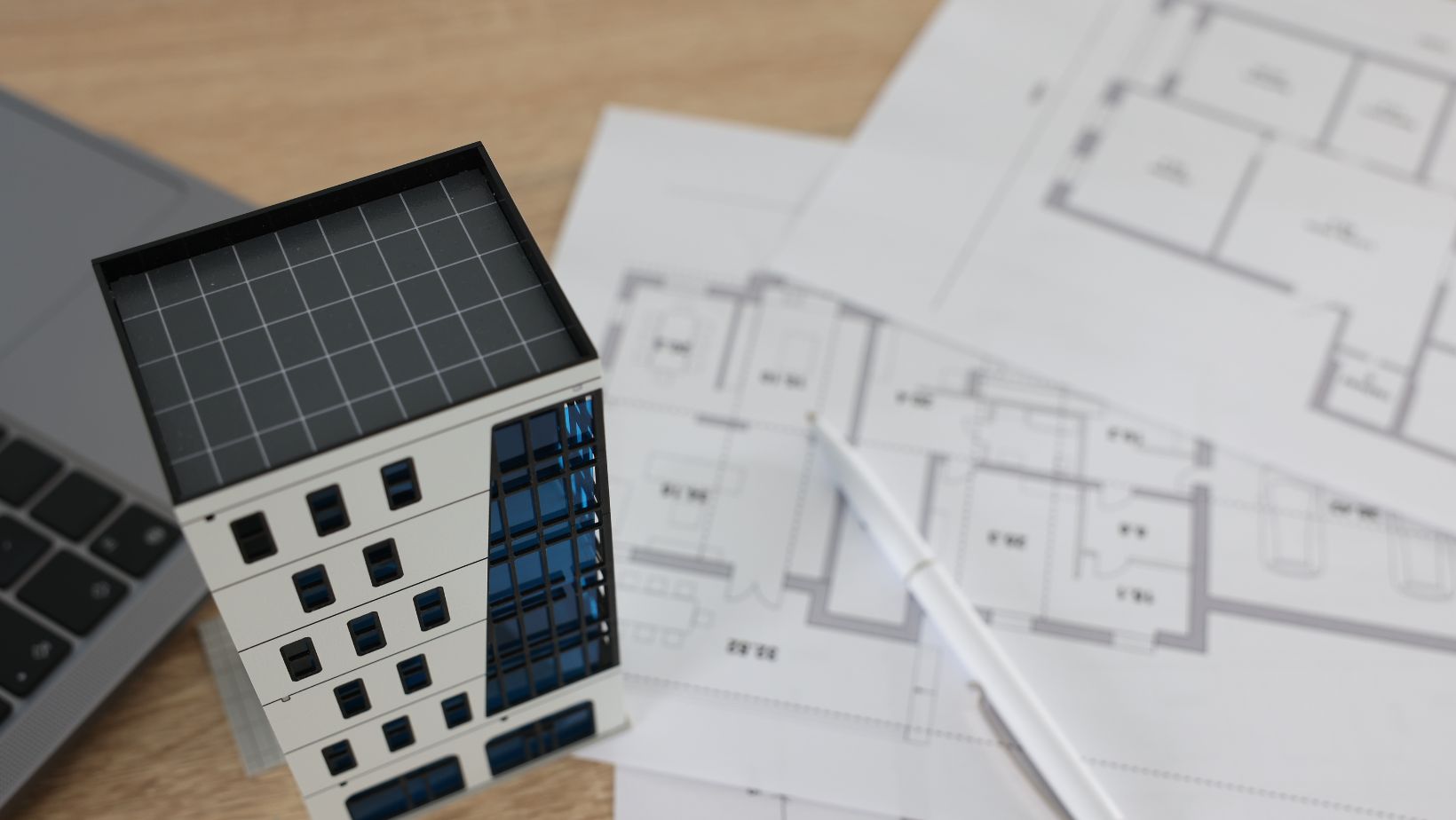
Rework is one of the most costly and time-consuming challenges in commercial construction. Estimates suggest that rework can account for a substantial portion of project costs and delays, negatively affecting budgets, schedules, and overall project quality. However, many of these setbacks can be prevented or significantly reduced through smarter fabrication planning, particularly when stakeholders collaborate early and leverage technology and clear communication throughout the process.
Why Rework Happens in Commercial Construction
Before discussing solutions, it’s important to understand some common causes of rework. Miscommunication between design and field teams, design errors or omissions, scheduling clashes, and unclear documentation frequently lead to components being fabricated incorrectly or installed improperly. In structural projects that rely on precise steel fabrication and assembly, even slight discrepancies between shop drawings and field conditions can cascade into costly corrections.
Early Coordination: The Foundation of Effective Planning
One of the most effective strategies to reduce rework begins long before fabrication starts: early coordination between designers, fabricators, and builders. When structural engineers and fabricators collaborate during the design phase, potential conflicts between the architectural intent and fabrication capabilities can be identified and resolved in advance. This alignment helps ensure that fabrication drawings are accurate, buildable, and coordinated with other trades on site. One of the most effective strategies to reduce rework begins long before fabrication starts: early coordination between designers, fabricators, and builders. As emphasized in Upkeep’s property maintenance guide, proactive planning and collaboration at the early stages of a project can prevent costly errors and improve overall efficiency.
Clear and thorough shop drawings and submittals play a crucial role in this early coordination. Shop drawings give fabricators, designers, and contractors a shared visual reference that goes beyond basic construction documents. Ensuring these drawings are reviewed and approved before fabrication begins prevents costly misunderstandings and reduces the likelihood of adjustments later.
Technology Integration: Bridging Design and Execution
Advances in technology offer powerful tools that support smarter fabrication planning. Building Information Modeling (BIM) is a prime example. BIM allows project teams to create and maintain a unified digital model of the structure, enabling clash detection, real-time updates, and coordinated design changes that all stakeholders can see and act upon. By engaging specialized bim services during preconstruction, teams can further enhance model accuracy, improve cross-discipline coordination, and ensure fabrication details are fully aligned before work begins. By catching design conflicts early in the virtual model, teams can avoid physical rework on site.
Other digital solutions ensure that the most current plans and specifications are accessible to every team member. This minimizes errors caused by outdated or conflicting information, which are common culprits in rework scenarios.
Quality Control and Inspection Before Fabrication
Integrating quality control checkpoints into the fabrication planning process is another key tactic. When fabricators verify dimensions, materials, and tolerances against design criteria before production begins, it reduces the chance that errors will make it into physical components. Early inspection and verification ensure that parts are fabricated correctly the first time, saving both time and costs associated with rework.

Inspection technologies also help align shop fabrication with field conditions. These systems provide a feedback loop that highlights discrepancies between planned and actual conditions before components are installed, allowing corrections in the planning phase rather than on site.
Communication and Change Management
Finally, clear communication and structured change management are essential throughout a project’s lifecycle. Changes in design or schedule must be communicated swiftly and documented clearly so that fabrication teams can adjust without guesswork. When everyone has a clear understanding of priorities, responsibilities, and approved revisions, the risk of unplanned work and re-fabrication diminishes.
Conclusion
Reducing rework in commercial builds through smarter fabrication planning is both a strategic and practical necessity. By coordinating early among design and fabrication teams, leveraging digital tools like BIM, enforcing quality control checks before production, and maintaining strong communication and change management practices, construction teams can minimize costly corrections and bring projects in on time and on budget. Thoughtful planning sets the stage for efficient fabrication and installation, turning potential pain points into predictable outcomes.