Most homeowners only notice problems when something breaks, a leak shows up, or a bill suddenly spikes. The truth is, the biggest expenses usually come from small things left unchecked that quietly build up over time without drawing much attention. That’s why below, we’ll go through the maintenance tasks people tend to ignore and why they end up costing more than expected.
Roof Inspections That Prevent Major Structural Damage
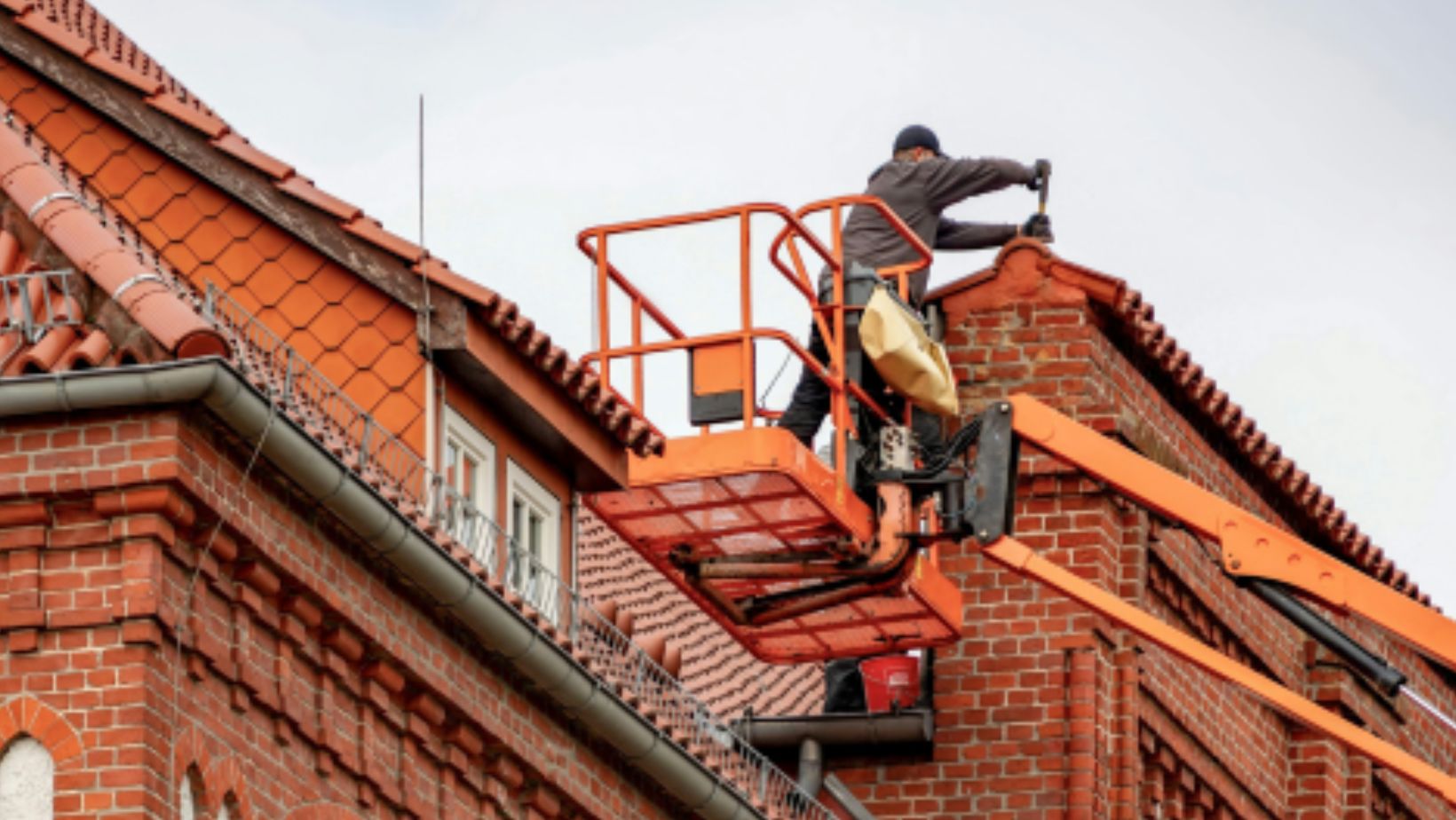
Roofs almost never fail all at once. Problems usually begin small, maybe a lifted shingle or worn seal, and go unnoticed until water finds a way in. At that stage, repairs cost more, showing why the hidden costs of homeownership matter sooner rather than later.
Checking the roof a few times each year can catch most issues early before they grow. Look for uneven lines, dark patches, or debris stopping water from draining. Inside, light ceiling stains or a slight musty smell can hint at roof trouble above.
If signs are hard to notice or the roof is not easy to reach, calling a professional can help make things clearer. A service like Waterloo Roofing can locate weak spots, fix minor issues early, and stop damage from slowly spreading through the structure.
Ignoring small roof damage allows moisture to move into insulation and wood supports, weakening things from inside. What should have been a simple fix can turn into major repairs, higher labor costs, and disruptions that did not have to happen.
Gutter and Drainage Maintenance Most People Ignore
Gutters often fail in a quiet way that is easy to miss. Leaves, dirt, and small debris build up over time, slowing water flow without standing out. When strong rain arrives, water spills over, creating issues tied to practical home projects people often postpone.
Water spilling near the base of the house creates steady pressure on the foundation. Over time, this can cause cracks, shifting, and moisture leaking into lower levels. A simple task like cleaning gutters turns into costly repairs that take more time and effort.
Downspouts need care too, even though they are easy to ignore. If they release water too close to the house, it keeps flowing back toward problem areas. Extending them slightly outward can help prevent long-term damage more than expected.
Doing routine checks after storms or during changing seasons helps everything run smoothly. If water is not moving as it should, or if you notice overflow during rain, that is already a warning sign that something needs fixing soon.
Small Exterior Cracks That Lead to Expensive Repairs
Small cracks along the outside of a house are easy to ignore, especially when they look thin or harmless at first. However, even the smallest opening allows water in, and once it gets inside, damage begins quietly without clear signs.
Moisture slipping through these gaps starts affecting insulation and interior areas before you notice anything obvious. Paint can bubble, walls feel a bit damp, or surfaces weaken. At that stage, repairs are no longer quick or inexpensive.
Fixing these cracks early is one of the simplest and lowest-cost tasks homeowners can do. A basic sealant applied at the right time keeps water out and protects the structure, supporting a steady home maintenance budget planning strategy over time.
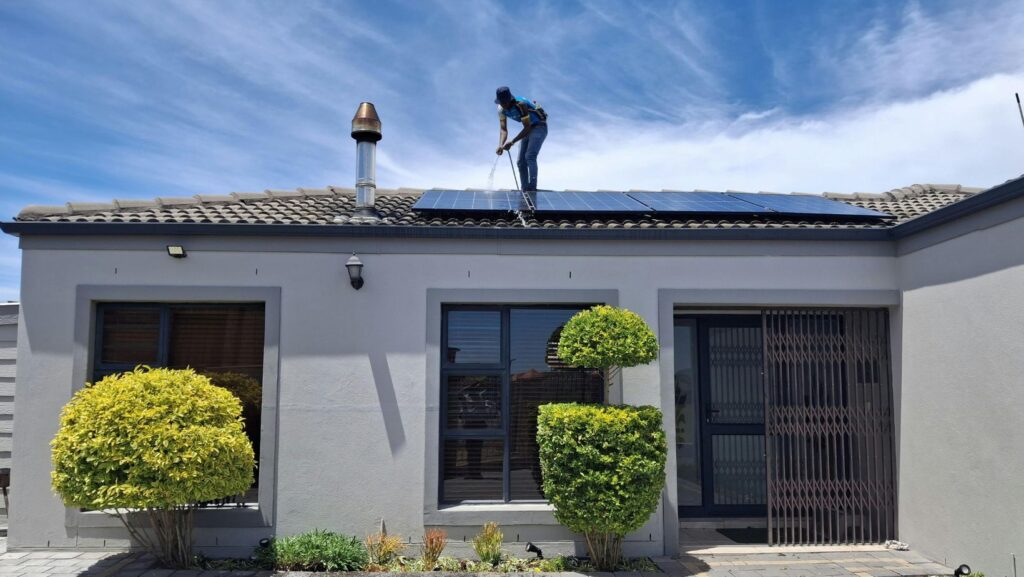
Make it a habit to check exterior walls, window edges, and corners where materials connect, especially after weather changes. If a crack looks wider, darker, or uneven, it usually means moisture is already entering and needs attention right away.
HVAC and Ventilation Systems That Quietly Lose Efficiency
Heating and cooling systems do not lose efficiency all at once, it happens slowly over time. Air still moves and rooms still feel comfortable, but the system works harder, using more energy, similar to how roof issues develop gradually.
Restricted airflow is one of the main causes behind this change. Dirty filters, blocked vents, or dust inside ducts make it harder to move air properly. Over time, that extra effort increases wear and slowly pushes energy costs higher.
Routine servicing keeps the system working the way it should. A technician can clean key parts, check airflow balance, and catch small problems early. This kind of care helps extend system life and keeps energy use more consistent.
You can also notice early warning signs by watching for uneven temperatures or longer run times. If some rooms feel off or the system runs more than usual, it often means efficiency has already started to decline.
Endnote
Most expensive home repairs do not start as major problems. They build from small issues that go unnoticed, then grow into something harder to control. Paying attention early, even to simple details, keeps costs predictable and prevents sudden disruptions. When these habits become routine, maintaining a home feels less overwhelming and far more controlled.