Table of Contents
ToggleAn old rug can still have plenty of life left in it. Faded colors, loose threads, small tears, or worn edges may make a rug look tired, but these problems do not always mean it belongs in the trash. In many homes, rugs are more than floor coverings. They can add warmth, color, and character to a room. When a rug still looks good in the room and is in decent shape, restoring a worn-out rug can be a better choice than buying a new one. Knowing which problems can be fixed helps homeowners make a smart choice and keep special rugs in their homes for longer.
Contents
Small Damage Does Not Always Mean Replacement
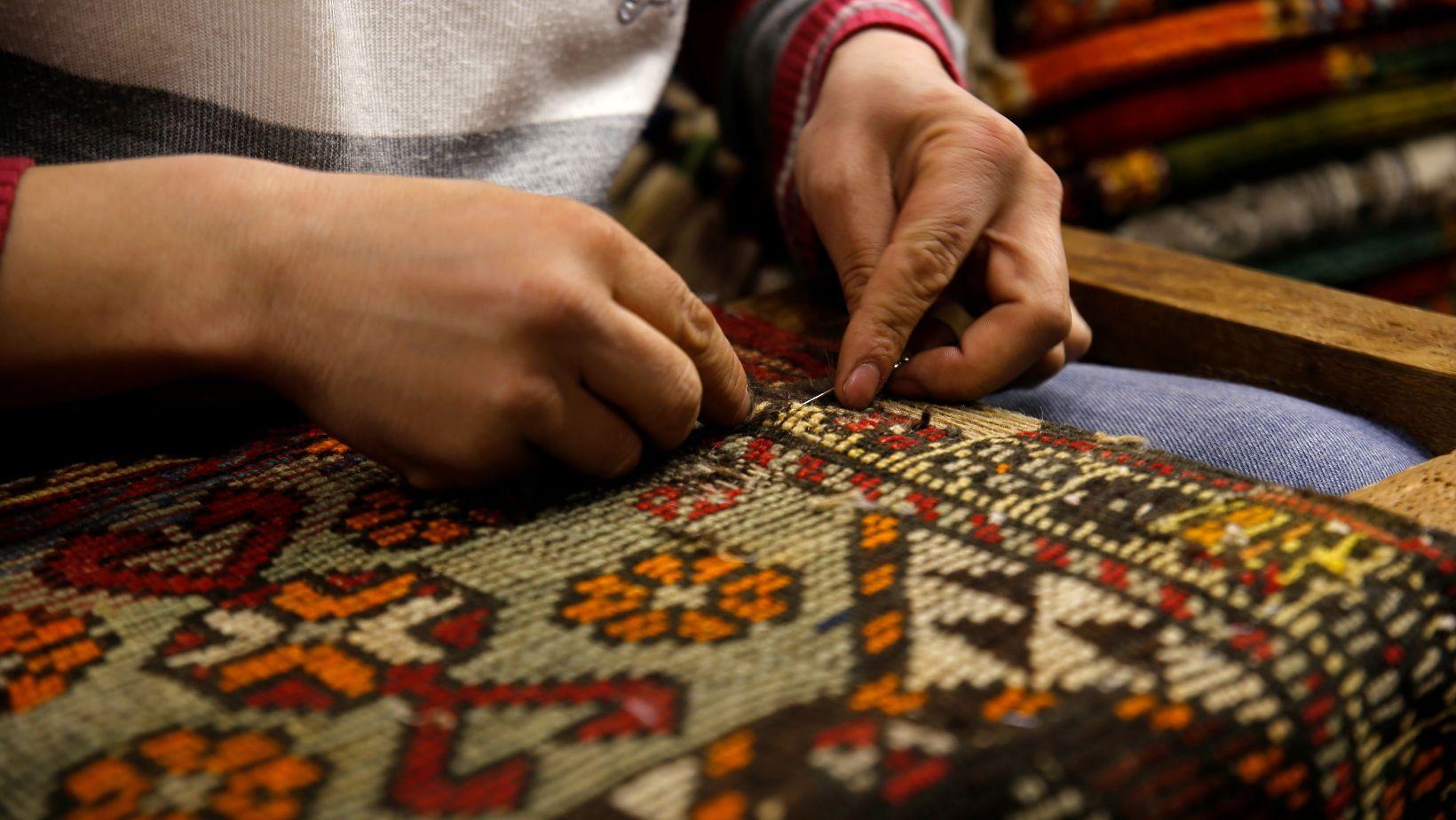
One of the first things to consider is the size of the damage. A small tear, loose edge, or damaged fringe may look serious at first, but many of these problems can be repaired. A rug that has one weak area does not always need to be replaced from end to end. Skilled repair work can focus on the damaged part while helping the rest of the rug stay in good shape.
Worn edges are another common problem. Rugs that sit in busy areas often receive more foot traffic around their borders. Over time, the edges may begin to curl, fray, or lose their shape. If the main body of the rug is still strong, repairing the edges may help extend its useful life. This can also keep the rug looking neat in a living room, bedroom, hallway, or other part of the home.
The Rug Has Personal or Design Value
Some rugs are worth keeping because of their history or appearance. A vintage rug, handmade rug, or family rug may have details that are difficult to replace. Even when a similar rug can be found, a replacement may not have the same colors, pattern, texture, or meaning.
Look for Signs That a Rug Can Be Saved
Before deciding to replace an old rug, its overall condition should be checked. The foundation should still have enough strength to support repair work. The design and fibers should also be considered. If most of the rug remains in good condition and only certain areas show damage, restoration may be worth exploring.
Common signs that a rug may be repairable include loose threads, small holes, worn corners, damaged fringe, and separated edges. Some rugs may also need careful attention after years of use or storage. In these cases, professional rug repair can address specific problems instead of replacing the entire piece.
When Damage Is More Than Surface Deep
Not every damaged rug should be repaired. If a rug has severe deterioration across most of its surface, the cost and time involved may make replacement a better option. Extensive fiber loss, major structural damage, or widespread weakening can make restoration difficult.
Moisture and pests can also cause serious problems. Long-term dampness may weaken fibers and the rug’s foundation. Moths and other pests can damage natural fibers, sometimes leaving many weak areas. A professional inspection can help determine whether the rug has enough strength to be restored or whether replacement is more practical.
Repair Can Help Preserve the Original Look
One major benefit of repair is the chance to keep the rug’s original character. Replacing a rug means starting over with a new pattern, color, and texture. Restoration can focus on protecting what already makes the rug special.
For example, repairing a damaged rug may help keep a favorite piece in use when only a few areas need attention. Repairing loose edges, damaged fringe, or small tears can make the rug safer to use and improve its appearance. The goal is not always to make an old rug look brand new. Instead, good restoration aims to help it remain useful and attractive while respecting its original character.
Consider the Cost Before Making a Decision
Cost is another important factor. A repair may be more affordable than purchasing a high-quality replacement, especially when the damage is limited. However, the right choice depends on the rug’s material, size, age, condition, and type of damage.
A professional assessment can provide a clearer idea of what is needed. It can also prevent unnecessary spending on a rug that is too damaged to restore. Comparing the expected repair work with the cost of a suitable replacement gives homeowners a better basis for making a decision.
A Last Look
An old rug does not have to be replaced simply because it shows signs of age. Small tears, loose edges, worn corners, and damaged fringe can often be addressed when the rug is still structurally sound. Rugs with special designs, history, or sentimental value may be especially worth preserving. A careful look at the rug’s condition, value, and repair needs can reveal whether restoration is the better choice.