
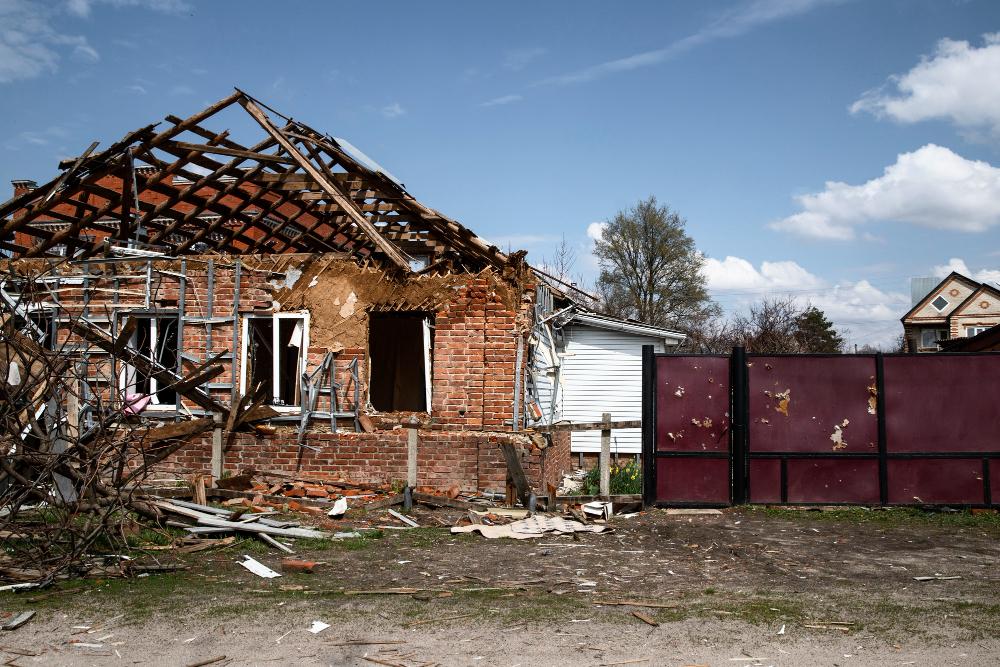
Distressed properties have always been interesting to people who invest in real estate because they want to buy things for less money than they are worth. This includes homes that people did not take care of, properties that people inherited, empty buildings, and assets owned by financially pressured sellers. These properties can be fixed up and sold for a profit, which is an amazing opportunity for investors who have the right skills and money.
Things are changing in the market. It is getting harder to find real estate that is really cheap. People who own properties now have more value in their homes than they used to. A lot of people borrowed money at interest rates before they became more expensive. At the same time, investors are being more careful about how much money they spend to fix up properties and how they pay for it.
This does not mean that distressed properties are going away. It means that investors have to be smarter about how they find deals and think carefully about the numbers before they make an offer on a distressed property. Investors have to look really hard for genuine distress properties that are worth buying and be very careful about their finances when they are thinking about buying distressed properties.
Understanding What Value-Add Investing Is
Value-add investing is a strategy to invest in real estate. You buy a property that needs some work. Then you fix it up to make it worth more money. The idea is not that hard to understand. You do not buy a property that is already perfect. You look for a property that you can improve.
The goal is not just to spend money on fixing things. You need to think about how each fix will help you make money. You need to figure out if the work you do will make the property worth more or bring in rent.
This is why you need to plan carefully when you do value-added investing. A property might seem like a deal when you buy it, but it can turn out to be a bad investment if it costs too much to fix up. Smart investors think about how much they pay for the property and how much it will be worth after they fix it up. They also think about financing costs and holding expenses.
In the case of distressed properties, value-add investing is an attractive idea. These neglected properties might be cheaper than comparable homes because they need so much work. If you can fix up the property without spending much money and make it as nice as the homes around it, you can make a good profit.
Distressed Properties Are Not Always Easy Bargains
Jake Miakota, CEO at Subdivisions, says, “The word “distressed” can make someone think that a property is automatically cheaper. This is not always true.
A distressed property might have serious maintenance problems. It could need work on the structure, electrical systems, plumbing, the roof, or extensive interior renovation. These costs can make the discount that first attracted the buyer smaller.
There might also be ownership problems. A property could have taxes that are not paid, debts, issues with the title, or problems with building permits.
This means that people who are investing in an estate need to look at the whole property and not just the price they pay.
A home that costs less than other comparable homes is not always a good investment. The real question is how much money it will take to make the property good again.”
The Supply Of Distressed Inventory Can Change
Distressed inventory is affected by things like the economy, interest rates, jobs, how people are doing financially at home, and how easy it is to get a loan.
When people own homes and have a lot of value in them, they have choices if they get into financial trouble. They can sell their homes traditionally instead of losing them to foreclosure. They may refinance or use accumulated equity to address financial problems. This can reduce the number of properties reaching the market at the deepest levels of distress.
For people who invest in homes, this means they will have to compete with others to buy the homes that are available at low prices.
So the market is still full of opportunities to buy homes, but people have to be patient and look really hard to find them. Distressed inventory is still there, but it takes more work to find the good deals on distressed inventory.
Homeowner Equity Is Changing The Distress Equation
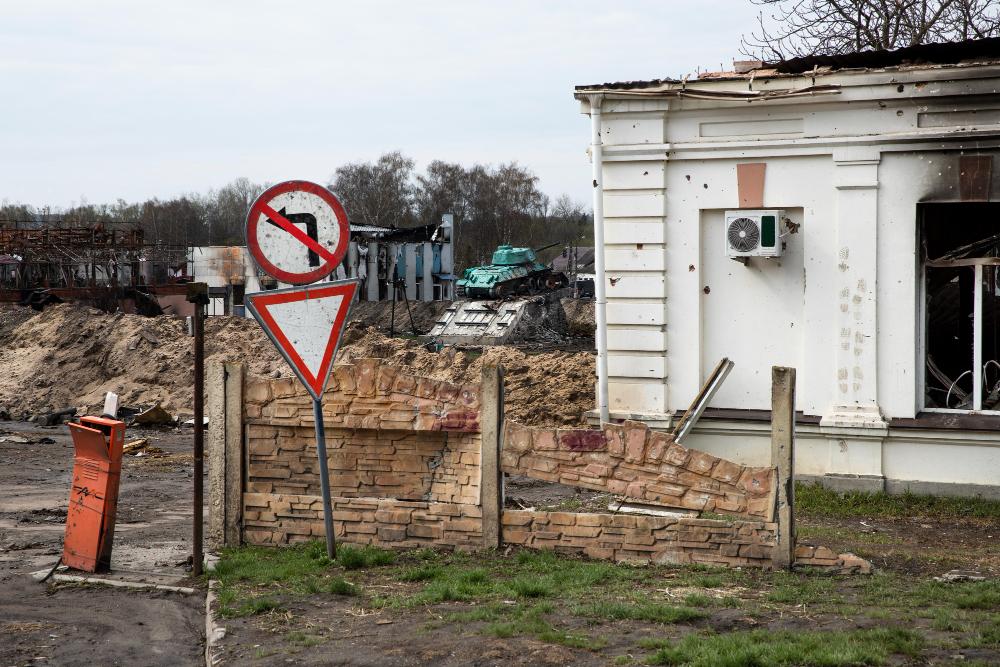
One big difference between current and past housing problems is that a lot of homeowners have built up a lot of equity in their homes. Home prices went up a lot in different places over the last few years. So people who bought their homes before that happened may have a lot of equity even if they are having trouble paying their bills now.
That equity is like a safety net for homeowners. It means they might not lose their home, even if they get behind on their mortgage payments. They might be able to sell their home and pay off the mortgage instead. This way, the home can be sold at a traditional price rather than being sold really cheap because the owner is in a tough spot.
This can be tough for investors who are looking for cheap properties to buy. It makes it harder for them to find good deals.
The homes that are still in trouble may have complicated problems, so buyers have to be really careful and do their research before making an offer on homeowner equity situations like these.
Higher Financing Costs Can Reduce Investor Returns
Financing is one of the major things that affects value-add real estate. Investors usually use loans to buy and fix up buildings. When the cost of borrowing money goes up, it may increase the payments for holding a project.
This is important because fixing up buildings does not always go exactly as planned. A project can take more time than expected. Things like building materials can get more expensive. Workers might find problems after they start working.
When the cost of borrowing money is high, delays can immediately reduce the expected returns. An investor who used to finish and sell a building in six months might now have a different financial result if the project takes nine or twelve months.
This shows that planning a budget carefully and setting realistic time frames are more important than ever.
Conclusion
Distressed properties can still offer opportunities for real estate investors in 2026. The market is becoming more difficult to work with.
Higher costs for financing, expensive repairs, strong home values, and more people trying to invest are making it harder to find properties that are very cheap. Investors might have to look past traditional foreclosure options and focus on places where they can add value by making smart changes.
The best opportunities might come from less obvious types of distress that are not easy to spot. Homes that were inherited, old rental units, empty houses, and properties that need repairs can all be good for adding value.