Table of Contents
ToggleMeta description: Robot vacuums spent years promising more than they delivered. Here's what changed in the technology and why the current generation is worth reconsidering.
Robot vacuums have had a credibility problem for most of their existence. The gap between what the marketing promised and what the devices actually delivered in a real home was wide enough that a generation of early adopters bought one, found it inadequate, and concluded the category wasn't ready for serious household use. That conclusion was reasonable at the time. It's less reasonable now, and the reasons for that shift are specific enough to be worth understanding rather than simply asserting.
The technology improvements that matter in the current generation of robot vacuums aren't incremental refinements of a fundamentally unchanged product. They're solutions to the specific failure points that made earlier devices frustrating, and understanding what those failure points were makes it easier to assess whether the solutions are genuine or whether the category is still overselling itself.
Contents
Where Earlier Generations Fell Short
The complaints that drove early adopters away from robot vacuums followed consistent patterns, and each of them reflected a genuine limitation in how the devices were designed rather than unrealistic expectations from the people using them.
Suction was the first limitation. Early motors lacked the power to do anything meaningful with carpet pile, pet hair embedded in rugs, or debris that wasn't sitting loose on a hard floor surface. The robot vacuum that cleaned fine dust from a smooth kitchen floor was a very different device from one that could handle the actual cleaning demands of a household with pets, children, or carpeted bedrooms. Most early devices were the former presenting itself as the latter.
Navigation was the second failure point. Random bounce patterns meant that coverage was inconsistent, the same areas were cleaned repeatedly while others were missed entirely, and the device couldn't be trusted to have covered the floor in any systematic way. Getting stuck under furniture, falling down stairs, and failing to return to the dock reliably added to a user experience that felt like managing a problem rather than solving one.
The mop function, where it existed, was perhaps the most consistently disappointing. A damp pad dragged across a floor doesn't mop it. It redistributes surface moisture and moves loose dirt around without lifting anything. The mopping that early combo devices offered was largely cosmetic, which meant that hard floor households still needed to mop manually after the robot had run.
Maintenance requirements undermined the core value proposition. A device that needs its dustbin emptied every second day, its mop pad rinsed and replaced regularly, and its brushes cleared of tangled hair after every few runs is a device that adds to the household chore list rather than reducing it. The automation was partial at best.
The Advances That Actually Matter
The improvements in the current generation of robot vacuums address each of these failure points in ways that are structural rather than incremental, which is why the category has earned reconsideration from households that wrote it off after early experiences.
Suction power has increased to levels that handle carpet pile, pet hair, and embedded debris in ways that earlier motors couldn't approach. Current high-end devices operate at suction levels that produce visible, measurable results on carpet rather than the superficial pass that earlier devices managed. For homes with carpet in multiple rooms, this difference is immediately noticeable.
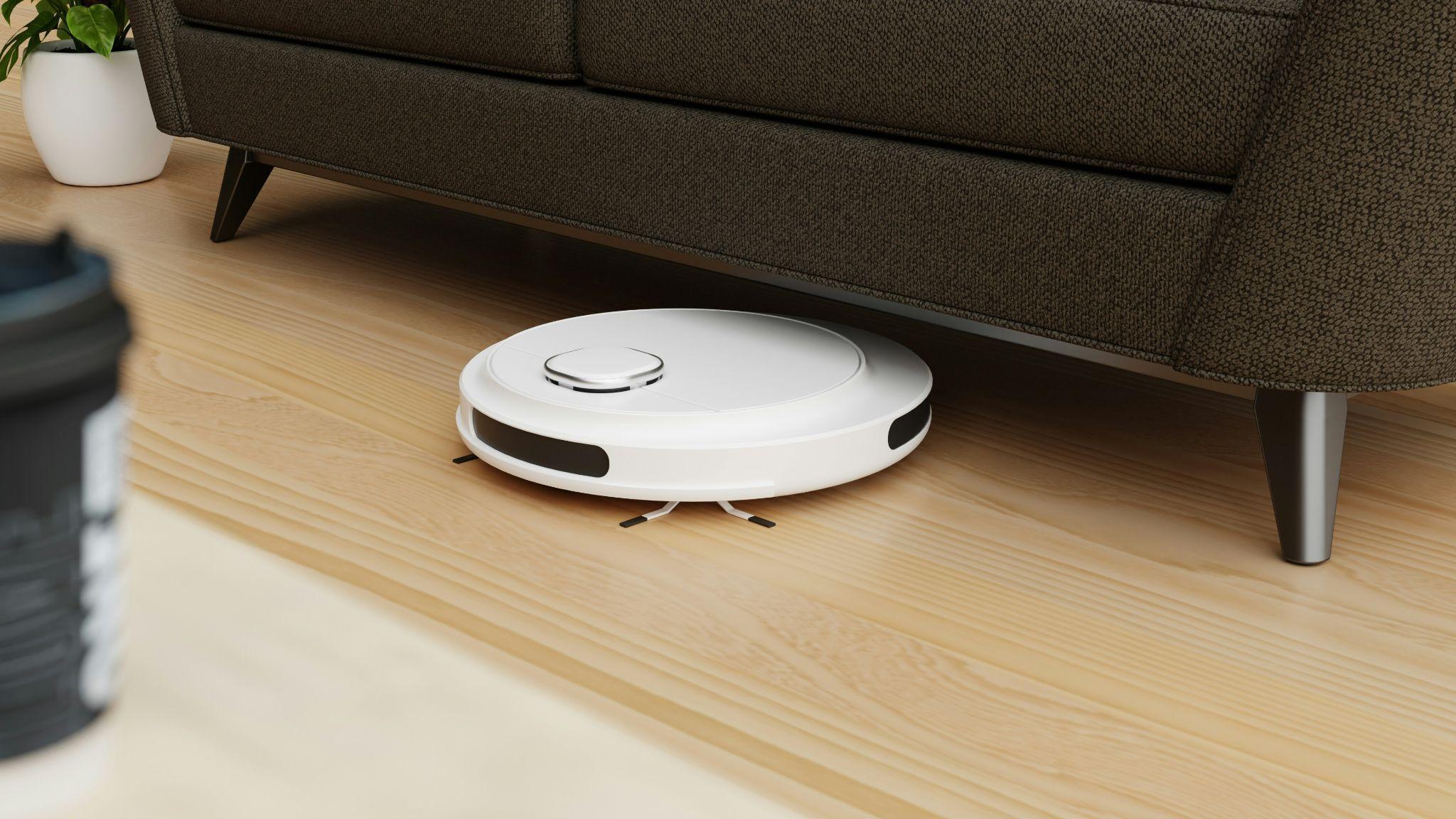
AI navigation has replaced random bounce patterns. Systematic mapping, room identification, and the ability to adapt to changes in the home environment produce consistent, complete coverage rather than the unreliable randomness that made earlier devices untrustworthy. Dual camera systems with onboard AI chips allow current devices to identify and navigate around obstacles that earlier sensor systems either missed or collided with, which changes the device from something that needs to be managed to something that can be left to operate.
Self-emptying base stations addressed the maintenance frequency problem that undermined earlier devices' value proposition. A robot vacuum that empties its own dustbin after every run, requiring the user to empty the base station bag every several weeks rather than the device's bin every day or two, delivers on the automation promise in a way that smaller-bin devices never could.
The Narwal Flow 2 represents what the self-cleaning mop problem looks like when it's genuinely solved rather than partially addressed. The rolling track mop system continuously refreshes itself using flowing water during the clean rather than dragging an increasingly dirty pad across the floor, and the base station washes the mop with hot water at 60 to 100 degrees after each session. The result is a Narwal Flow 2 robot vacuum that mops floors in a way that produces actual cleaning outcomes rather than the surface moisture redistribution that earlier combo devices offered.
What Self-Cleaning Mopping Changes About Floor Maintenance
The mop function deserves specific attention because it's the dimension of robot vacuum performance that has historically been most misrepresented and most disappointing, and where the current generation has made the most significant departure from what came before.
The fundamental problem with earlier mopping systems was that they couldn't clean themselves. A pad that starts a mopping session damp and clean becomes progressively dirtier as it moves across the floor, and by the end of a mopping run it's depositing as much as it's removing. The user who runs a combo device and returns to find their hard floors looking cleaner hasn't necessarily experienced genuine mopping. They've experienced the appearance of mopping.
A self-cleaning rolling mop that refreshes itself throughout the session is a categorically different thing. It maintains the cleanliness of the mopping surface across the entire run rather than allowing it to degrade from the first pass, and the hot water washing that happens afterwards means the next session starts from a clean mop rather than whatever state the last session left it in.
For households with hard floors across multiple rooms, this change matters in a way that incremental improvements to suction or navigation don't. It's the difference between a device that reduces the frequency of manual mopping and one that genuinely replaces it for regular maintenance.
Why the Category Deserves a Second Look
The households most resistant to reconsidering robot vacuums are often those with the most relevant early experience. A device that fell short a few years ago, that got stuck, that didn't clean adequately, that required more maintenance than it saved, leaves an impression that's reasonable to hold onto given the evidence available at the time.
The evidence has changed. The suction levels that handle real carpet rather than smooth surfaces. The navigation that produces systematic, complete coverage rather than unreliable randomness. The self-emptying that extends the maintenance interval from days to weeks or months. The mopping system that actually cleans rather than redistributes moisture. These aren't marginal improvements to a device that was almost good enough. They're solutions to the problems that made earlier devices not good enough, and they produce a genuinely different daily experience for the households that use them.
Whether that experience is worth the investment is a question that depends on the specific household, the floor types involved, the time currently spent on cleaning, and what automation in that part of home maintenance is actually worth. But it's a question worth asking with current information rather than an answer formed from experience with a category that has moved on considerably from where it was.