Creative uses for sliding shade sails begin with seeing them as movable outdoor structures rather than fixed pieces of fabric. Panels can move along tracks or tightly stretched stainless steel cables, giving you control over sunlight, heat, and the layout of your outdoor areas throughout the day. A canopy can follow the afternoon sun above a dining table, cover vegetable beds during extreme heat, or shade a children’s splash area. This movable approach brings flexible, weather-aware design to homes, gardens, and business spaces.
Fixed structures can leave a patio in permanent shade or expose it fully to strong sunlight. Modern sliding shade sails for outdoor spaces give you control over how much sky remains open. They can turn patios, pool decks, and gardens into areas for several uses. You can soften bright summer glare, cover an outdoor kitchen, or create an open dining space beneath the stars at night. Movable fabric canopies add flexible shape and function to almost any part of your property.
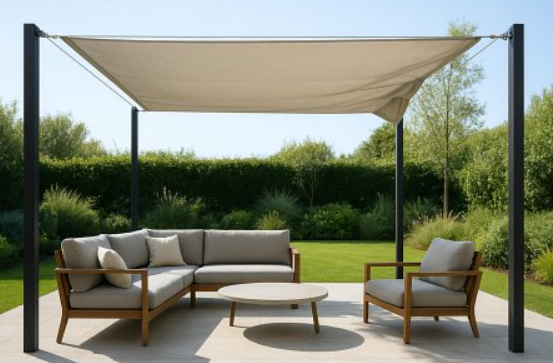
What Are Sliding Shade Sails and Why Use Them Outdoors?
Sliding shade sails are movable canopy systems made from strong fabric panels that run along parallel cables, guide wires, or aluminum rails. Unlike standard shade sails, which stay fixed at their anchor points, these systems can open, close, or change position by hand or with a motor. This makes it easier to respond to changing sunlight, wind, and seasonal temperatures.
Homeowners and landscape designers use sliding shade sails because outdoor spaces rarely need the same conditions all day. A reading corner may benefit from morning sun, while the same patio may become too hot by mid-afternoon. Sliding systems sit between permanent building additions and temporary umbrellas. They provide broad shade while leaving the floor area clear.
How Sliding Shade Sails Differ from Fixed and Retractable Patio Covers
Fixed shade sails provide constant, tight coverage over a set area. They can look attractive, but their anchor points do not move. This means they cannot be opened to welcome winter sunlight or reveal the stars at night. Retractable awnings usually depend on spring-loaded or motorized arms fixed to an outside wall. Their reach is limited, and strong wind can put stress on the arms.
Sliding shade sails provide a useful middle option. They move along two supported tracks or guide cables, spreading the load across strong posts or wall plates. This setup can cover wider areas than folding-arm awnings while avoiding the permanent feel of a solid roof, timber pergola, or fixed fabric cover.
How Adjustable Shade Improves Comfort, UV Protection, and Outdoor Use
The main benefit of adjustable shade is better comfort throughout the day. High-performance shade fabrics can block as much as 95 percent of harmful ultraviolet radiation and reduce the heat that reaches nearby living areas. Measurements of Mean Radiant Temperature (MRT) in sunny outdoor spaces show that flexible canopy coverage can lower the heat felt by the body by as much as 10°C during the hottest part of the day.
Movable sails also help protect outdoor rugs, teak tables, and upholstered furniture from fading and sun damage. You can move the canopy forward to block the low western sun while leaving other parts of the patio open to fresh air.
What Makes Sliding Shade Sails Suitable for Patios, Decks, and Gardens?
Patios and decks often support many activities, each with different shade needs. A sliding shade system keeps this flexibility because it does not take up floor space with heavy umbrella bases or central posts. People can walk, move furniture, and use the space freely below the canopy.
In gardens, sliding sails can protect delicate plants, container gardens, and raised beds. Gardeners can pull the panels across during severe summer heat to prevent leaf damage, then move them aside on cloudy mornings or during cooler seasons so plants receive the light needed for healthy growth.
Create a Flexible Outdoor Dining Area
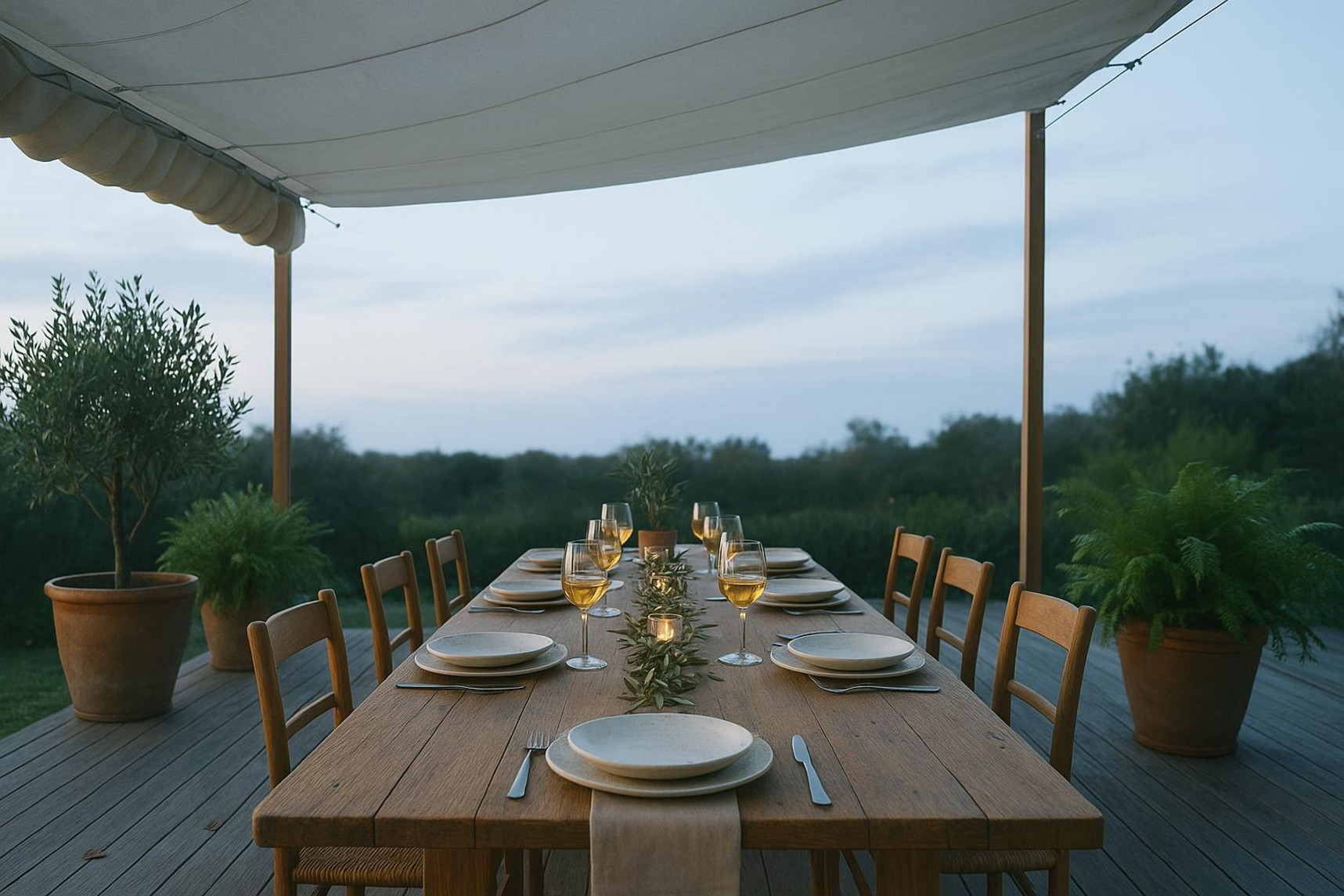
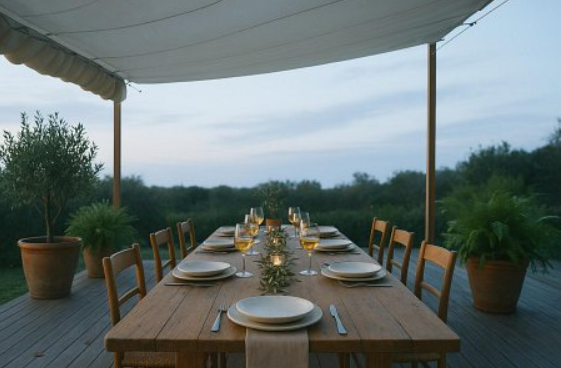
Turning a patio into an outdoor dining room requires good control of sunlight. Few people enjoy looking across a bright, sunlit table during Sunday brunch. A sliding sail above the dining area lets you place shade over guests while leaving nearby cooking and drink areas open.
As afternoon becomes evening, you can pull the fabric back into a compact accordion fold. This brings cool air into the dining area, reduces heat on the table, and opens the view to the night sky without moving the furniture.
Design a Shaded Lounge for Entertaining
An outdoor living room feels more settled when it has a clear overhead boundary. A sliding canopy creates that boundary and turns an open deck into a separate gathering area. It supports conversation while reducing harsh glare.
For larger gatherings, you can open the sail partway to create different comfort zones in the same space. Guests who enjoy the sun can use exposed loungers near the edge, while others can sit in the cooler filtered shade below the fabric.
Build a Comfortable Remote-Work or Study Area
Working outside can sound appealing until screen glare, hot laptops, and intense sunlight make it hard to focus. Sliding shade sails soften strong overhead light and create a more even workspace.
Placing the panels above an outdoor desk or bench lets you change the shade as the sun moves. Your screen stays easier to read, electronics remain away from direct heat, and the area stays comfortable and airy during video calls.
Cover an Outdoor Kitchen or Barbecue Station
Cooking over an open flame on an unshaded patio can become very hot in midsummer. A sliding sail above the grill, preparation counter, and smoker helps the person cooking stay cooler while preparing food.
Since the sail can move, it also offers a practical safety benefit around heat and flames. Open the canopy above hot grilling equipment so smoke, heat, and grease can escape. Then move it over preparation areas and coolers to protect food and ice from direct sun.
Design an Open-Air Movie Night or Entertainment Area
An outdoor cinema needs shade from late-afternoon glare, but it can also benefit from an open view above once night arrives. A sliding sail works as a screen for unwanted daylight and helps keep a projector image clear until the sky becomes dark.
After sunset, pull the sail back to reveal the stars and give the movie area a more open feel. The tracks or guide cables can also support Bluetooth speakers, projection screens, or soft lights around the edges.
Add Shade Beside a Pool, Hot Tub, or Spa
Sunlit concrete and stone around a pool can become very hot and uncomfortable for bare feet. Sliding shade sails along the pool edge or above loungers create a cooler place for swimmers to rest between laps.
Above a hot tub or outdoor spa, a sliding canopy can provide privacy from nearby upper-floor windows while offering protection from light rain and strong afternoon sun. For an evening soak beneath the stars, simply pull the canopy back.
Create a Safe Play Zone for Children
Metal and dark plastic play equipment absorb a great deal of heat. On a sunny summer afternoon, these surfaces can become too hot for children to touch. Sliding canopies above sandboxes, climbing equipment, and play decks help keep the area cooler and more comfortable.
Research in community playgrounds shows that overhead shade lowers UV exposure and helps keep play equipment at safer temperatures. As children move between active play and quiet breaks, parents can adjust the panels to limit exposure to strong midday sun.
Protect Pets with a Cool Outdoor Retreat
Pets can suffer from heat exhaustion and burned paws on sun-heated stone, composite decking, and artificial grass. A sliding shade sail creates a cooler outdoor area that supports their comfort.
Place the sail above a dog’s usual resting spot, an outdoor kennel, or a water bowl. The canopy blocks strong radiant heat while allowing air to move through the space during the hottest hours.
Shelter Delicate Plants, Garden Beds, and Planters
Many ornamental plants, ferns, and salad greens have trouble in intense summer sun. Without protection, they may wilt or develop scorched leaves. A sliding canopy above raised beds works like a movable garden roof and gives you control over the amount of light reaching the plants.
Move the fabric over tender crops during the hottest afternoon hours to hold moisture in the soil and reduce plant stress. Pull it back in the morning or early evening so the garden receives soft sunlight for photosynthesis.
Create a Covered Workshop, Craft Area, or Exercise Space
Woodworking, pottery, and morning workouts can be enjoyable outside, where air moves freely and cleaning is simple. Direct sunlight, however, can make these activities tiring very quickly.
A sliding canopy creates a cool, airy workshop or exercise area on a deck or patio. It protects weights, benches, tools, and other equipment from direct heat. When you want to practice yoga beneath the morning sky, the panels can be pulled aside.
Add Shade to a Driveway, Carport, or Outdoor Parking Area
A car parked in summer sun can develop an extremely hot interior. Strong UV exposure may also damage dashboard materials. A sliding shade sail over a driveway or parking area offers a clean alternative to a large steel carport.
The movable canopy protects the vehicle from sunlight and falling leaves during the hottest hours. If you need to clean a tall vehicle, load large items, or use the driveway for a weekend gathering, the canopy can move aside within seconds.
Sliding Shade Sail Designs That Enhance Outdoor Style
Create Architectural Lines with Triangular and Rectangular Sails
The shape of the panels has a strong effect on the look of the property. Rectangular sliding sails create straight, parallel lines that suit modern buildings and provide broad, even shade over large areas.
Triangular sliding sails cover a little less area, but their sharp angles add movement and visual interest. Combining a triangular accent sail with rectangular panels creates a varied pattern and softens the straight lines of exterior walls.
Layer Neutral Sails for a Courtyard or Minimalist Patio
For minimalist, Scandinavian, or modern coastal homes, neutral sails in bone, stone gray, and pale taupe create a calm canopy. Placing two or three panels at different cable heights adds depth without making the patio look busy.
These light fabrics soften incoming sunlight and fill the area below with a gentle glow instead of heavy shadows. They also reflect some solar heat away from the living area, helping the patio stay cool and open.
Use Terracotta, Warm Tones, or Color Blocks as a Design Feature
Terracotta, ochre, sand, and burnt orange fabrics add warmth and personality to an outdoor area. These earth-inspired colors give stone, timber, and masonry a soft golden appearance and create a relaxed Mediterranean mood.
For a stronger visual effect, try color blocking. Alternating panels in deep indigo, sage, or mustard can form a lively overhead pattern that becomes a major feature above a simple patio.
Combine Shade Sails with Wood Frames, Brick Walls, or Metal Posts
Sliding shade sails work well with many outdoor materials. Stainless steel guide cables placed inside a cedar or Douglas fir pergola soften the strong timber lines with light fabric that seems to float above the space.
When fixed to older brick walls or combined with black powder-coated steel posts, the canopy creates a balanced industrial look. The mix of permanent supports and flowing fabric can give a basic patio the feel of a professionally planned outdoor room.
Coordinate Sail Colors with Pool Decks, Gardens, and Outdoor Furniture
For a unified outdoor design, choose sail colors that work with the nearby plants, paving, and furniture. Slate gray and marine blue look natural above a light travertine pool deck and echo the color and movement of the water.
Olive green, muted linen, and soft cream blend easily into a planted courtyard. They provide shade without taking attention away from the garden. Repeating a color from outdoor cushions or rugs in the canopy fabric can connect the different parts of the space.
Add String Lights for Evening Patio Use
A sliding shade structure can remain useful and attractive after sunset. Warm LED bistro lights attached to fixed cables or the outside tracks create a welcoming glow above the patio.
When the sails are open, the fabric spreads the light evenly across the area below. If you retract the panels, the hanging lights outline the open sky and create a close, comfortable setting for outdoor meals.
What Materials and Configurations Work Best?
Water-Resistant and Breathable Shade Sail Fabrics
Selecting a fabric means finding the right balance between rain protection and airflow. High-Density Polyethylene (HDPE) mesh is widely used for breathable shade. Its knitted structure lets hot air rise and escape, so heat does not remain trapped below the canopy. It also provides good strength for outdoor use.
Where rain protection is needed, tightly woven materials such as PVC-coated polyester or marine-grade acrylic, including Sunbrella®, offer a water-resistant barrier. These solid fabrics, which you can also find at Shade4You, can keep dining and seating areas dry during light summer showers if the canopy has enough slope for water to run off.
UV-Blocking Fabric for Hot and Sunny Climates
In hot, sunny regions, strong radiation can make an uncovered patio difficult to use. Architectural shade fabrics contain UV stabilizers woven into the synthetic yarns and can block about 90 to 98 percent of harmful UV rays.
Good commercial-grade fabrics have high UPF ratings that help protect skin and reduce fading of outdoor furniture. Commercial-weight materials can also withstand repeated sun exposure without becoming brittle, losing color, or weakening.
Choosing Sail Shape, Size, and Coverage Area
The best shape and size depend on the layout of the space and the path of the sun. Rectangular and square sails provide broad, even coverage and work well above long dining tables, lounge furniture, and outdoor kitchen counters.
When working out the coverage area, allow for edge scalloping-the shallow inward curve cut into the edges of the panels. These curves help maintain proper tension, limit fabric movement, and let the sail travel smoothly along its tracks without gathering.
Single-Sail, Overlapping, and Multi-Sail Configurations
A single wide sliding sail provides a clean area of shade for small courtyards, narrow side yards, and balcony decks. It needs simple track hardware, opens and closes quickly, and gives the space a simple modern appearance.
For larger patios, several overlapping panels give you more control. Separate panels on independent cables let you shade one area, such as a lounge, while leaving nearby sections open for sunbathing or gardening.
Tracks, Cables, Posts, and Sliding Hardware
Good hardware has a major effect on how smoothly a sliding sail works. Tensioned marine-grade 316 stainless steel aircraft cables offer high strength and good resistance to rust, making them suitable for open-span cable systems.
For larger home or business installations, extruded aluminum tracks with enclosed roller carriages allow quiet, easy movement. Thick powder-coated steel posts or reinforced wall brackets provide firm support and help the panels move without sticking or jamming.
Choose the Right Sliding Shade Sail for Your Outdoor Space
Match the Sail to Your Space, Sun Exposure, and Main Activity
Begin by watching how sunlight crosses your property during the day. A south-facing patio usually needs wide, dense overhead shade for midday sun. A west-facing deck may need panels that move farther out to block the low, bright rays of late afternoon.
Choose the system based on how your family uses the area. If the main activities are morning coffee and evening stargazing, a light system that retracts easily may work well. For busy pool areas or children’s play spaces, look for dense UV-blocking fabric and hardware that needs little care.
Balance Style, Coverage, Weather Resistance, and Budget
Choosing a sliding canopy means weighing appearance, performance, and cost. Custom motorized systems on aluminum tracks offer push-button control and a clean architectural look. Manual pull-cord systems that run on cables cost less and are usually simple to care for.
Review the local weather before making a plan. In areas with sudden strong winds or regular summer rain, marine-grade hardware, breathable panels, and a simple retraction system can help the installation stay safe and usable for many years.
How to Plan and Install Sliding Shade Sails Safely
Measure the Patio, Deck, Garden, or Poolside Area
Good planning starts with accurate three-dimensional measurements of the installation area. Record the distance between planned posts or structural wall faces. Also mark doors, lights, downspouts, roof overhangs, and any other nearby features.
The fabric panels should be slightly smaller than the full frame area. Leave room for turnbuckles, pulleys, track brackets, and cable stops. This space allows the fabric to become tight without catching along the edges.
Choose Strong Attachment Points and Structural Posts
Shade sails can create strong sideways loads when wind hits them. Attaching hardware to fascia boards, thin vinyl siding, or weak masonry can cause serious damage or system failure.
Fix mounting brackets directly to solid studs, structural ceiling joists, or reinforced concrete. For free-standing posts, use heavy steel or thick structural timber set in deep concrete footings that can handle the sideways pull.
Allow Clearance for Sliding Movement, Furniture, and Walkways
Enough space above the ground is needed for safe walking and comfortable use. The lowest part of the sliding canopy should sit at least 2.2 to 2.4 meters, or about 7 to 8 feet, above the deck. This leaves room for tall guests, open umbrellas, and hanging lights.
Check that the natural catenary curve of the fabric does not hang low enough to touch tall furniture, barbecue lids, or dining chairs. Also plan a stacking area where folded panels can rest without blocking doors, paths, or other parts of the patio.
Set the Correct Tension and Slope for Water Runoff
Water-resistant or solid fabrics need a clear slope. A flat canopy will collect rainwater, creating heavy pools that can stretch the fabric, bend tracks, or pull wall anchors loose.
Keep a height difference of at least 20 to 30 percent between the higher and lower support cables. This encourages quick runoff. Set the tension so the fabric stays flat and firm as it moves, with no large dips where water can collect.
Plan for Wind Loads, Rain, Snow, and Local Weather
Wind creates the greatest environmental force on an outdoor fabric structure. A large sail acts much like a boat sail, turning sudden gusts into hundreds of pounds of sideways pressure at the brackets.
For coastal or windy locations, breathable mesh can let air pass through and reduce stress on the supports. An automatic wind sensor or a simple manual pull cord also makes it easier to retract and secure the panels before severe weather arrives.
When to Hire a Professional Installer
A capable homeowner may be able to install a small cable kit between strong pergola beams over a weekend. Large custom systems, high-tension spans, and installations fixed to tall brick or stucco walls often need professional help.
Licensed shade contractors can design footings for the local soil, calculate wind uplift, and set the hardware at safe tension. A qualified installer helps protect the building and allows the canopy to move smoothly for many years.
Maintenance, Safety, and Common Questions About Sliding Shade Sails
How to Clean and Inspect Shade Sail Fabric
Regular cleaning helps maintain the appearance, color, and UV performance of the canopy. Once or twice each season, remove leaves, twigs, and other loose material with a soft broom or a garden hose set to a gentle spray.
For dust, water marks, or bird droppings, lightly scrub the fabric with mild dish soap mixed with warm water. Avoid strong chemicals, bleach, and pressure washers because they can damage protective UV coatings. While washing, check corner stitching, hem seams, and sliding grommets for rubbing, loose threads, or other early wear.
How to Prevent Sagging, Fraying, Mold, and Hardware Corrosion
Sagging often results from stretched guide cables or turnbuckles that have loosened over time. Check the turnbuckles from time to time and tighten them as needed. Proper tension helps the panels move without dragging or sticking.
To limit mold and mildew, do not leave wet panels folded tightly together for long periods. Let the fabric dry fully in the sun. In coastal areas, rinse stainless steel cables, pulleys, and track rollers with clean water every few months to remove salt and reduce corrosion.
When to Retract or Remove Sails During Severe Weather
Knowing when to close the canopy helps extend its service life. Retract and secure the panels at their end stops when forecasts call for gale-force winds, severe thunderstorms, or hail.
Sliding shade sails are mainly intended for sun control during the warmer seasons and are not made to hold heavy snow. If winters are freezing where you live, unclip the panels in late autumn, fold them carefully, and store them indoors in a clean, dry place until spring.
Seasonal storage and an awareness of local weather help keep a sliding canopy useful for years. A good balance of sun and shade adds living space, keeps the sky open when you want it, and provides comfortable outdoor shelter across the seasons.