Table of Contents
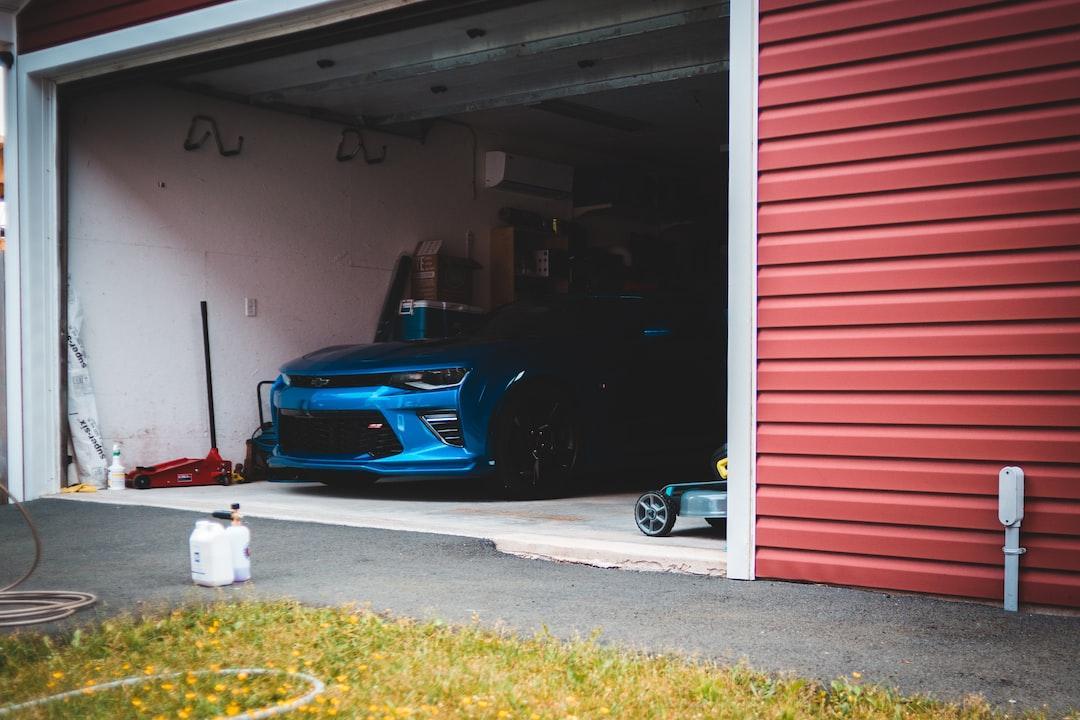
ToggleImage Attribution: Unsplash.com royalty-free image #4QpMOa2EDKI, ” uploaded by Erik Mclean (https://unsplash.com/@introspectivedsgn), retrieved from https://unsplash.com/photos/4QpMOa2EDKI on October 7th, 2023. License details available at https://unsplash.com/license – image is licensed under the Unsplash License
A garage crammed with a stalled car, dusty boxes, and forgotten gear is a daily stressor—and adding more plastic bins won’t fix it. Real transformation starts when you stop storing junk and start making firm decisions about what actually belongs.
This guide delivers a straightforward, step-by-step strategy to purge clutter, clear walkways, handle hazardous spills safely, and deal with an inoperable vehicle in Texas.
Contents
Sort Before You Reclaim Garage Space
Pick the corner that makes you groan every time you walk past it. Clear that area first, sorting belongings into keep, donate, or discard piles. Set chemicals, batteries, and automotive fluids aside for separate handling rather than tossing them into ordinary rubbish.
As COIT recommends, remove belongings before cleaning the surfaces underneath. Work along one wall at a time so your driveway does not become another cluttered space.
An expensive tool you never touch still takes up room. Before giving anything its spot back, ask:
Give your donation pile a departure date by scheduling a drop-off before your next cleaning session. Bags beside the garage door are still clutter until they leave.
Clear Walkways and Handle Spills Safely
Make enough room to carry a box through the garage without stepping over cords or squeezing past leaning stacks. Clear the route between the garage entrance, household door, and work areas before tackling shelves. With a safe path open, remove dust and cobwebs from the highest accessible surfaces, then work downward.
Use a stable stepladder instead of balancing on boxes or shelving. As you wipe each shelf, check for cracked bottles, loose lids, and signs of leaks before putting anything back.
Keep Hazardous Waste Separate
Treat a leaking oil container differently from a dusty cardboard box. Set used oil, solvents, and other potentially hazardous products separate from ordinary rubbish, and keep them in their original labeled containers whenever possible. Check your Texas city or county’s disposal instructions before transporting them.
For a small spill you can identify, follow the product label’s cleanup directions and use the specified protective equipment. Never mix cleaners or wash automotive fluids into a drain or the street.
Stop cleaning if you find an unknown substance, strong fumes, or a substantial leak, and seek appropriate help. Keep children and pets away until the area is safe.
Decide What to Do With the Car That No Longer Runs
A stalled vehicle deserves a clear decision before you attempt to organize or redesign the rest of the garage around it. Start by evaluating whether you genuinely intend to restore the vehicle or if you have simply postponed dealing with it. Request a formal repair estimate from a mechanic and set a strict deadline if keeping and fixing the car remains a viable option.
If keeping the broken-down car no longer makes sense, you can sell a non-running vehicle in Texas by looking at specialized online buyers that streamline the removal process. Rather than paying for private towing or haggling with scrap yards, digital vehicle-buying platforms evaluate the car’s make, model, and condition to provide an immediate cash valuation. For instance, services like Cash For Cars operate by issuing instant offers and coordinating direct driveway towing, which gives you a concrete financial benchmark alongside your mechanic’s repair estimate. Comparing that guaranteed offer against repair costs makes it much easier to decide whether holding onto the vehicle outweighs the value of recovering your essential floor space.
Before any scheduled collection, remove all personal belongings from the interior and confirm that all title and access requirements are met. Keep the vehicle’s surrounding path clear, rather than stacking donation bags or storage boxes around it to ensure a smooth pickup.
Clean the Floor and Plan Useful Storage
With the car sorted out, you can finally access the floor space it occupied. Once any hazardous spills have been handled appropriately, sweep or vacuum the remaining dirt, including corners and areas beneath shelving. Use a cleaner suited to the floor’s finish, follow the directions, and let everything dry before moving belongings back.
Resist buying shelves or bins until you know what needs a home. Measure the available space, allowing enough room to open car doors and carry bulky items through the garage.
Give Frequently Used Items Easy Access
You should not have to move a ladder and two boxes to reach your toolbox. Put frequently used items within easy reach and reserve less accessible spots for occasional use. Arrange storage around a few practical rules:
- Keep heavy items on lower shelves
- Store lighter seasonal gear higher up
- Group supplies by task
- Label bins with specific contents
Give each item a clear home, but avoid filling every shelf. A little empty space makes it easier to put belongings away without starting another pile on the floor.
Reclaim Garage Space You Can Actually Use
Stop tripping over clutter and let your garage serve its real purpose. Clearing walkways, following through on local donation drop-offs, and making a final decision on that stalled vehicle will transform an overwhelming room into a fully functional asset.
Commit to the process this weekend: sort what you actually use, keep hazardous materials out of ordinary landfills, and reclaim the usable floor space your home deserves.