Table of Contents
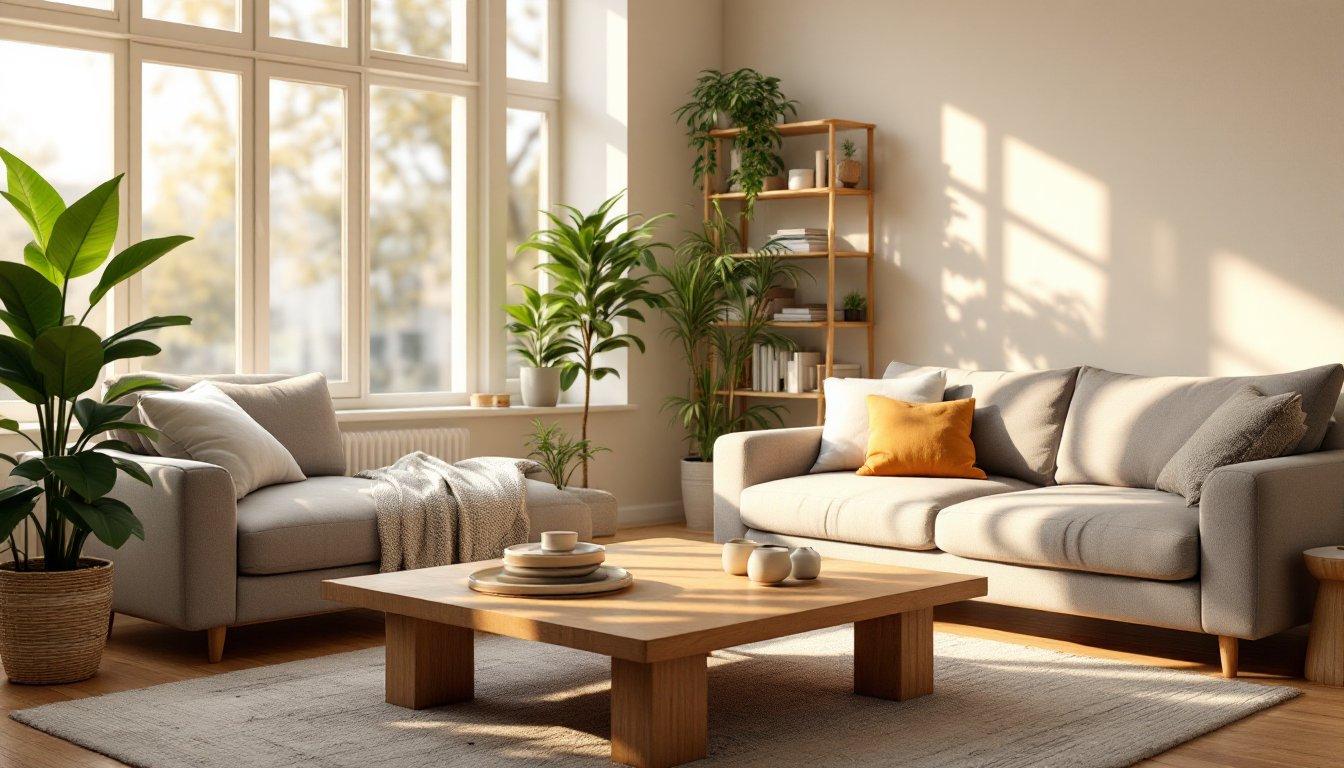
ToggleYou know that lovely feeling when you walk into a bright, sunny room? Everything seems a little more inviting, even if there's washing waiting to be folded and yesterday's coffee mug is still on the table. Now think about the rooms in your home that never quite get that same glow. Perhaps the kitchen feels gloomy by mid-afternoon, or the living room needs a lamp switched on even when it's perfectly bright outside.
It's easy to assume that's just how your house is. But sometimes, a few changes can make a surprising difference to how much daylight you're actually enjoying.
Contents
Have a Look at What's Blocking the Light
Before you start thinking about knocking down walls or replacing windows, take a proper look around. You might discover that the biggest obstacle is something you can move in five minutes.
A tall bookcase beside a window, heavy curtains that never fully open, or even an overgrown shrub outside can stop daylight from reaching further into a room. Moving furniture away from windows is an obvious place to start, but it's something we rarely think about when arranging our homes.
It's also worth watching how the light changes throughout the day. A room that feels wonderfully bright at breakfast might become noticeably darker by lunchtime. Understanding those patterns makes it easier to decide what actually needs changing.
Sometimes the Layout Is the Problem
Not every home was designed with bright, open living in mind. Older properties, particularly, can have smaller windows and rooms that feel disconnected from the garden.
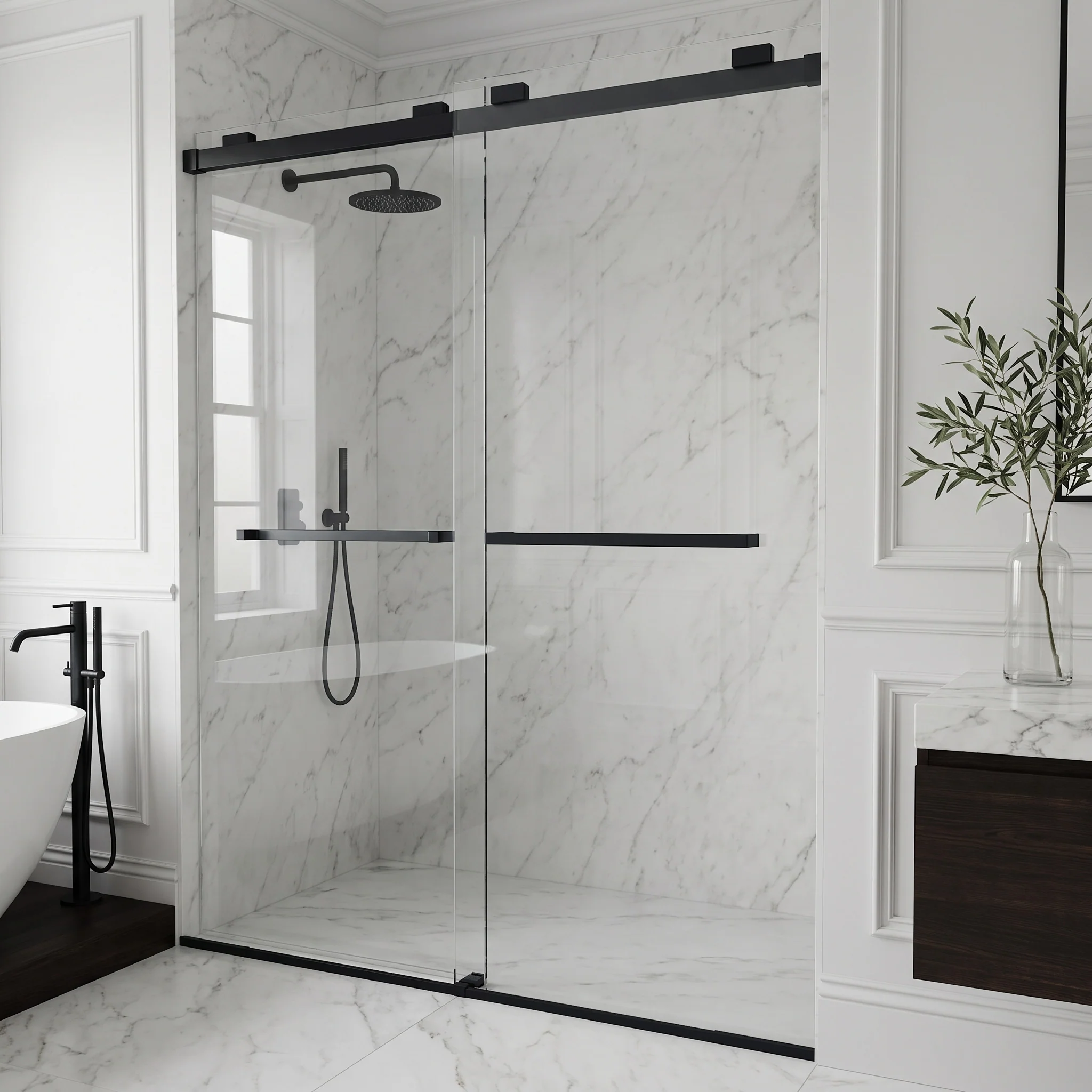
If you're planning a renovation anyway, this could be a good opportunity to rethink how daylight enters your home. Replacing a solid back door with a larger glazed opening, for example, can make the garden feel like part of the living space.
It's worth speaking to experienced sliding door suppliers about the options available, especially if you're thinking about opening up a kitchen or living area. The right design can introduce more glazing without making the room feel exposed or losing valuable space for furniture.
Of course, bigger windows aren't automatically better. Privacy, insulation, and the direction your home faces all deserve some thought before you commit.
Don't Underestimate the Smaller Changes
A renovation isn't always realistic, and thankfully, you don't need one to make a room feel lighter. Try swapping thick curtains for something less bulky, or choosing a mirror that reflects daylight rather than simply filling an empty wall. Even changing a dark lampshade or rearranging a few pieces of furniture can make the space feel noticeably fresher.
Don't forget the windows themselves. It's hardly the most exciting weekend job, but giving the glass a proper clean can help more than you'd expect.
Make the Most of the Home You've Got
There's no need to chase the sort of perfectly sunlit interiors you see in magazines. Most of us have at least one awkward corner or north-facing room that refuses to cooperate.
What matters is making your home feel comfortable and welcoming. Start with the changes you can manage, see what works, and build from there. Sometimes, enjoying a brighter home is less about a dramatic transformation and more about noticing what's been getting in the way all along.