

Why Is My Vacuum So Loud
If you’re wondering why your vacuum cleaner is making so much noise, there could be a few reasons behind it. One possible cause is a clogged or dirty filter. When the filter gets blocked with dust and debris, it can restrict airflow, making the motor work harder and resulting in louder operation. Cleaning or replacing the filter regularly can help alleviate this issue.
Another factor that may contribute to the loudness of your vacuum is worn-out or damaged components. Over time, parts such as the brush roll, belt, or bearings may wear down or become misaligned, leading to increased noise during operation. Checking these components for any signs of damage and replacing them if necessary can help restore quieter performance.
Additionally, some vacuum cleaners are naturally louder than others due to differences in design and motor power. If you’ve recently switched to a new model or brand, it’s possible that its noise level simply falls on the higher end of the spectrum. In this case, there might not be much you can do other than ensuring proper maintenance and using ear protection while cleaning.
Remember that excessive noise from a vacuum cleaner could also be an indication of underlying issues that require professional attention. If you’ve tried troubleshooting steps without success or suspect a mechanical problem, it’s best to consult with a technician who specialises in vacuum repairs.
In conclusion, several factors could contribute to why your vacuum cleaner is so loud – from clogged filters and worn-out components to inherent design characteristics. By addressing these potential causes and seeking professional assistance when needed, you can hopefully enjoy quieter cleaning sessions in no time.
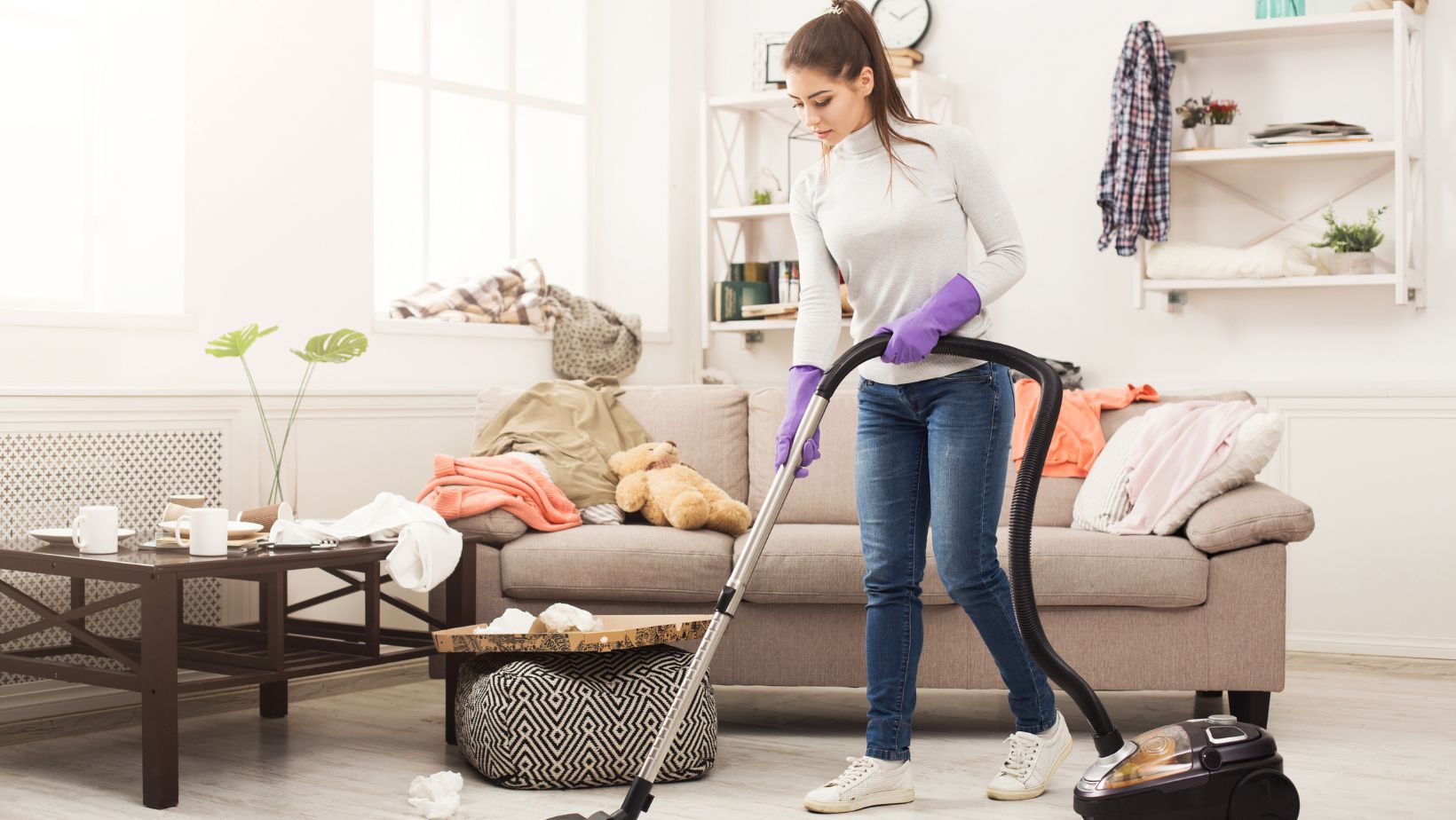
Common Causes of Loud Vacuum Noise
If you’ve ever wondered, “Why is my vacuum so loud?” you’re not alone. Many people find themselves perplexed by the excessive noise their vacuum cleaners produce. Let’s explore some common causes of this issue and shed some light on possible solutions.
- Motor Malfunction: One of the primary culprits behind a noisy vacuum cleaner is a malfunctioning motor. Over time, the motor can wear out or become clogged with debris, causing it to work harder and generate more noise than usual. If your vacuum’s motor is making an unusually loud sound, it may be time to have it checked or replaced by a professional.
- Lack of Maintenance: Regular maintenance is crucial for keeping your vacuum in tip-top shape and minimising noise levels. Neglecting routine cleaning and filter replacement can lead to dust accumulation and reduced airflow, which in turn increases noise production. Be sure to clean or replace filters as recommended by the manufacturer and keep the brush roll free from tangled hair or debris.
- Faulty Brush Roll: The brush roll plays a vital role in picking up dirt and debris from your floors, but if it becomes damaged or worn out, it can create excessive noise during operation. Check for any signs of damage such as frayed bristles or obstructions that may be causing irregular contact with the floor surface.
- Poorly Installed Parts: Sometimes, loud vacuum noises can simply be attributed to loose or improperly installed parts. Check all connections, attachments, and accessories to ensure they are securely fastened according to the manufacturer’s instructions.
- Inadequate Insulation: Some vacuums are naturally louder than others due to variations in design and insulation quality. If you find that your vacuum has always been excessively noisy since its purchase, it could be that its construction lacks sufficient soundproofing materials.
Remember that each vacuum model may have its own unique issues, so it’s essential to consult your user manual or reach out to the manufacturer for specific troubleshooting guidance. By addressing these common causes of loud vacuum noise, you can hopefully enjoy a quieter cleaning experience and maintain the longevity of your appliance.
Please note that while these are common causes, there could be other factors contributing to excessive noise in individual cases. If you’re unable to identify or resolve the issue on your own, it’s recommended to seek professional assistance from an authorized service center.