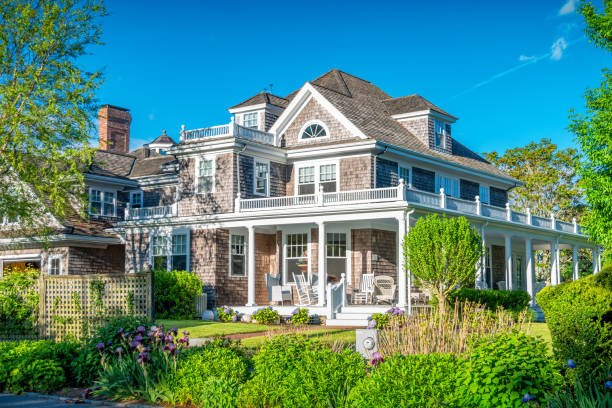

Property owners can bring in a specialist team to plan and build the space or they can handle the steps themselves. Each route has distinct strengths and weak points that shape cost, quality, effort, and timing. Clear thinking before work starts helps match the method to the goal.
Some households prefer proven expertise and fast execution. Others want savings, flexibility, and the pride that comes from personal effort. Choosing the path that fits budget, schedule, and long term plans leads to better results and fewer surprises.
Strengths of Professional Yard Services
People who want a smooth experience often hand the site to a seasoned crew. A trained team understands layout, plant choice, soil conditioning, drainage, and stone setting. This lowers the chance of errors and creates a clean finish. Workers show up with compactors, laser levels, trenchers, and irrigation tools that most households do not keep, so steps get done in the right order and pace.
Speed and coordination stand out. A full team can install patios, beds, and watering lines in a short window while a single resident might need many weekends. Trade access to nurseries and supply yards can also stretch funds. Since one group shapes the plan and carries it through, the yard usually looks unified when the last scoop of mulch goes down.
Limitations of Contracted Outdoor Work
Turning the project over to an outside crew can raise the bill more than expected. Labor, equipment time, and premium materials add up, and custom details often push the total higher. Changes made after work begins may bring extra charges, which can strain a tight budget. Families who planned a small refresh sometimes face a bigger invoice once site realities show up.
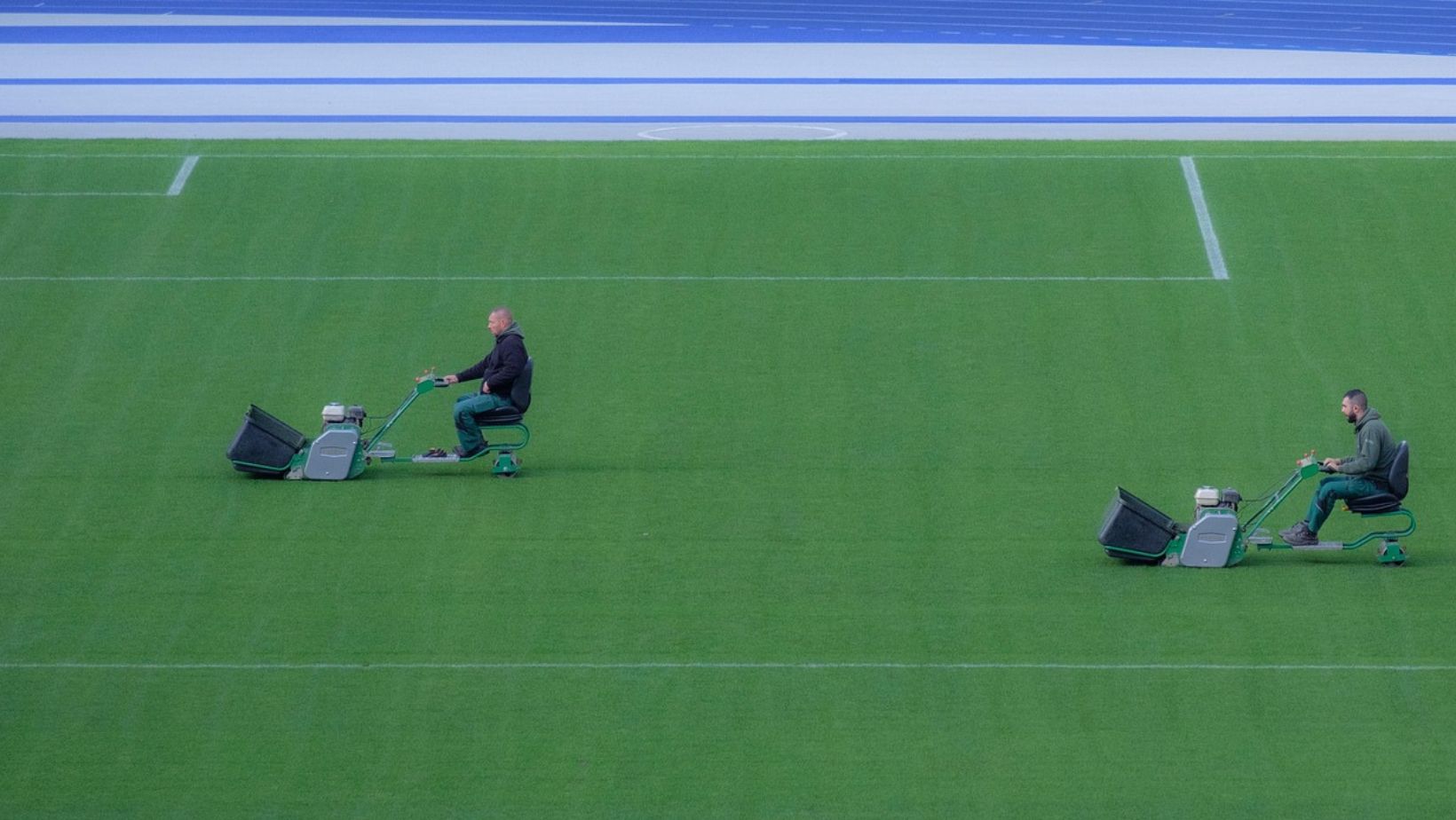
Control can feel limited once work starts. Even with drawings, a builder may read a detail differently than the owner imagined. Calendars depend on other jobs and the weather, so delays are possible if earlier sites run long or rain stops the trenching. Waiting for a slot while looking at a half ready lot can test patience when the goal is to enjoy the space soon.
Advantages of Self Managed Garden Projects
Hands-on owners often like the idea of shaping the ground themselves. Cutting out paid labor keeps the outlay focused on plants, stone, soil, and a few rentals, which makes small upgrades more affordable. Fresh edging, a path of pavers, or a set of planters near the entry can be finished for a fraction of a full service quote and still lift curb appeal.
Pride and flexibility add to the appeal. Watching a bed fill in after personal effort is satisfying, and the schedule can fit around school or work without waiting on a crew. Plans can change as ideas grow. A resident can test one corner, learn from it, and then repeat the steps across the lot with better results each time. To showcase that progress after sunset, adding led outdoor bulbs to porch fixtures, string lights, or landscape accents is a simple upgrade that improves visibility while keeping energy use low.
Challenges of DIY Yard Work
Working alone asks a lot from the body. Moving soil, tamping base layers, hauling block, and cutting stone require steady effort and safe lifting. Tasks that need more hands slow down when only a single person is present. Fatigue can lead to shortcuts that weaken build and reduce project longevity.
Early choices can also create future problems. A base that is not compacted well, the wrong plant in full sun, or a path set without slope for runoff can fail within a season. Renting plate compactors, sod cutters, or augers adds further costs. What looks like a weekend effort can turn into a long project that sits half done until the next break.
Cost and Value Assessment
Price and payoff should be looked at together. A polished build by a crew seasoned with Omaha landscaping may require a bigger outlay on day one yet hold up longer. Solid foundations under pavers, sturdy edge restraint, and correctly placed emitters reduce fixes later. A tidy front garden can also lift curb appeal, which helps if a sale is likely in the next few years.
Owner led work keeps near term spending lower. Savings are real when the scope is modest, such as a small seating area or a new border near the walk. Knowledge gained during the process is useful for later upkeep and seasonal refreshes. The better path depends on project size, target timeline, and how much durability matters across several seasons.
Endnote
Selecting a method for outdoor improvements comes down to resources, interest, and the standard of finish that matters most. Both hired crews and self directed work can deliver good outcomes, yet each path has tradeoffs that deserve careful review. Looking at cost, time, and durability together brings clarity before anyone touches the ground.