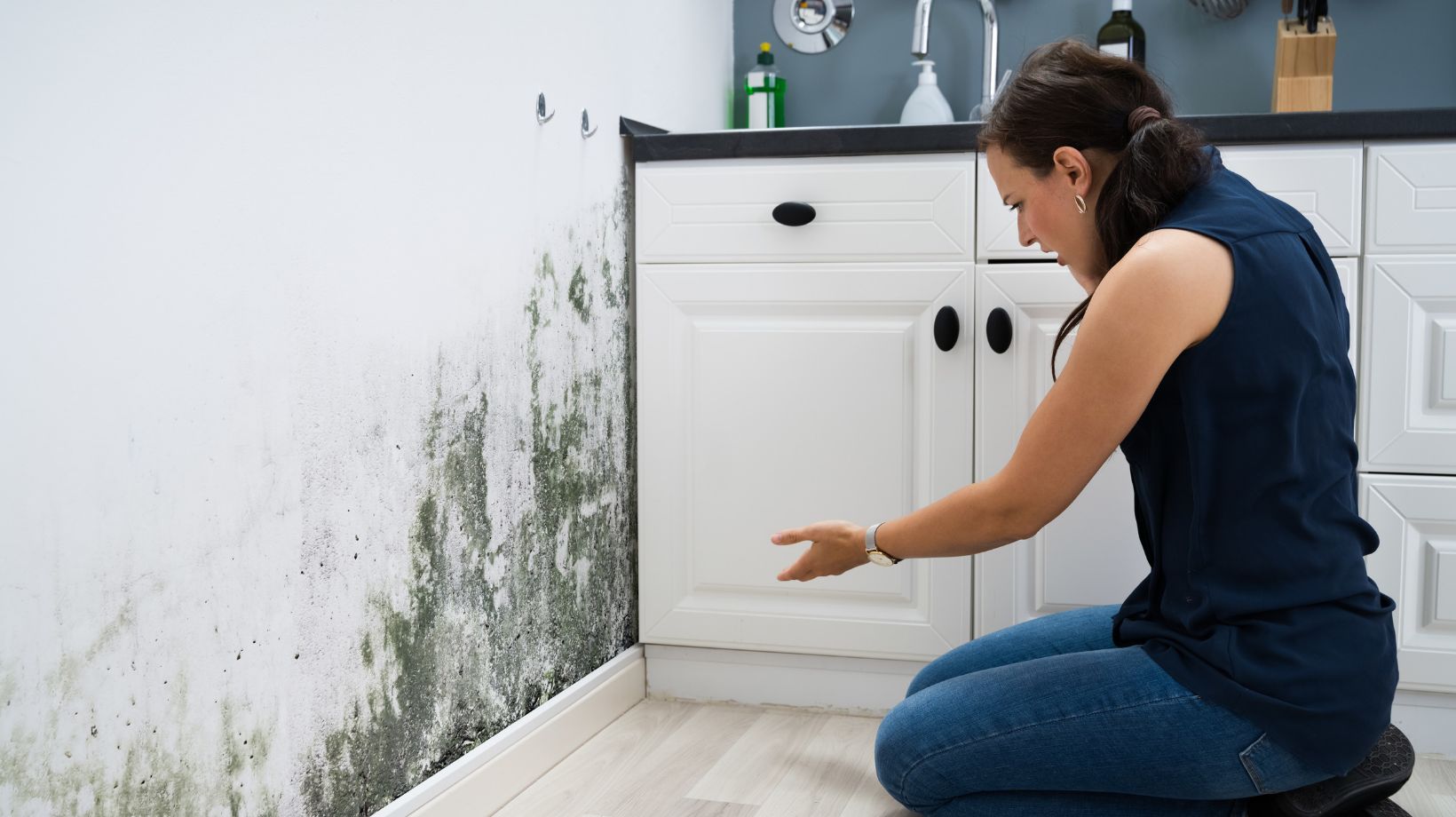
A home can look spotless and still harbor grime in places you’d never think to check. Hidden dirt and germs build up slowly, often tied to everyday household issues we ignore or simply don’t notice. If you’ve ever cleaned your home top to bottom and still feel like something was off, chances are one of these underlying problems is at play. Let’s dig into the less-obvious culprits that turn clean homes into breeding grounds for bacteria.
Poor Ventilation
A slightly stale smell some rooms get is not just old air; it’s a mix of moisture, dust particles, and airborne contaminants that have nowhere to go. Poor ventilation allows humidity to linger, especially in kitchens and bathrooms. Over time, this creates the perfect environment for mold spores and bacteria to thrive, often inside walls or behind cabinets where you won’t see them. Even worse, fabrics like curtains and upholstery absorb these particles. You clean the surfaces, sure, but the air itself keeps recontaminating the space. It’s like mopping the floor while wearing muddy shoes.
Hidden Leaks
A dripping pipe under the sink is obvious, but what about the slow leak behind the wall, or the tiny seepage under your flooring? Water is the ultimate enabler of germs. When moisture seeps into unseen areas, it creates dark, damp pockets where bacteria and mold multiply fast. You might notice a faint musty smell, or nothing at all. Leaks from aging structures are especially sneaky. Consider replacing your roof or other structures to solve this problem.
Overlooked High-Touch Surfaces
We all clean countertops, wipe tables, but light switches, doorknobs, or remotes are the neglected means of germ transmission. They’re touched constantly, rarely cleaned, and often skipped during routine tidying. You wash your hands, then flip a switch that hasn’t been cleaned in weeks, and the cycle resets instantly. Even areas like cabinet handles in kitchens accumulate grease and bacteria over time. They may look fine, but under the surface, they tell another story.
Carpet and Rugs

Carpets are cozy, but they also act like giant flyers. Dust, pet dander, food crumbs, and even microscopic debris settle deep into carpet fibers. Vacuuming helps, but it rarely reaches the base where bacteria can linger. Spills make things worse. A small liquid accident, such as coffee, juice, or even water, can seep into the padding beneath.
That’s where mold can begin forming, completely out of sight. Every step you take can release those trapped particles back into the air, so while your floor looks clean, your indoor air quality may be telling another story.
Appliances That Don’t Get Deep Cleaned
Appliances that deal with moisture, such as your washing machine and dishwasher are prime spots for buildup. Soap residue, food particles, and standing water create a breeding ground for bacteria. Washing machines, in particular, can develop mold in rubber seals. Dishwashers can harbor grime in filters. Without occasional deep cleaning, they quietly spread germs rather than eliminate them.
Endnote
A truly clean home goes beyond what you can see. It’s about addressing the subtle issues that quietly invite dirt and germs to settle in. Sometimes it’s the air, sometimes it’s moisture, and other times it’s just small habits we overlook, like skipping a deep clean or ignoring a minor leak.