
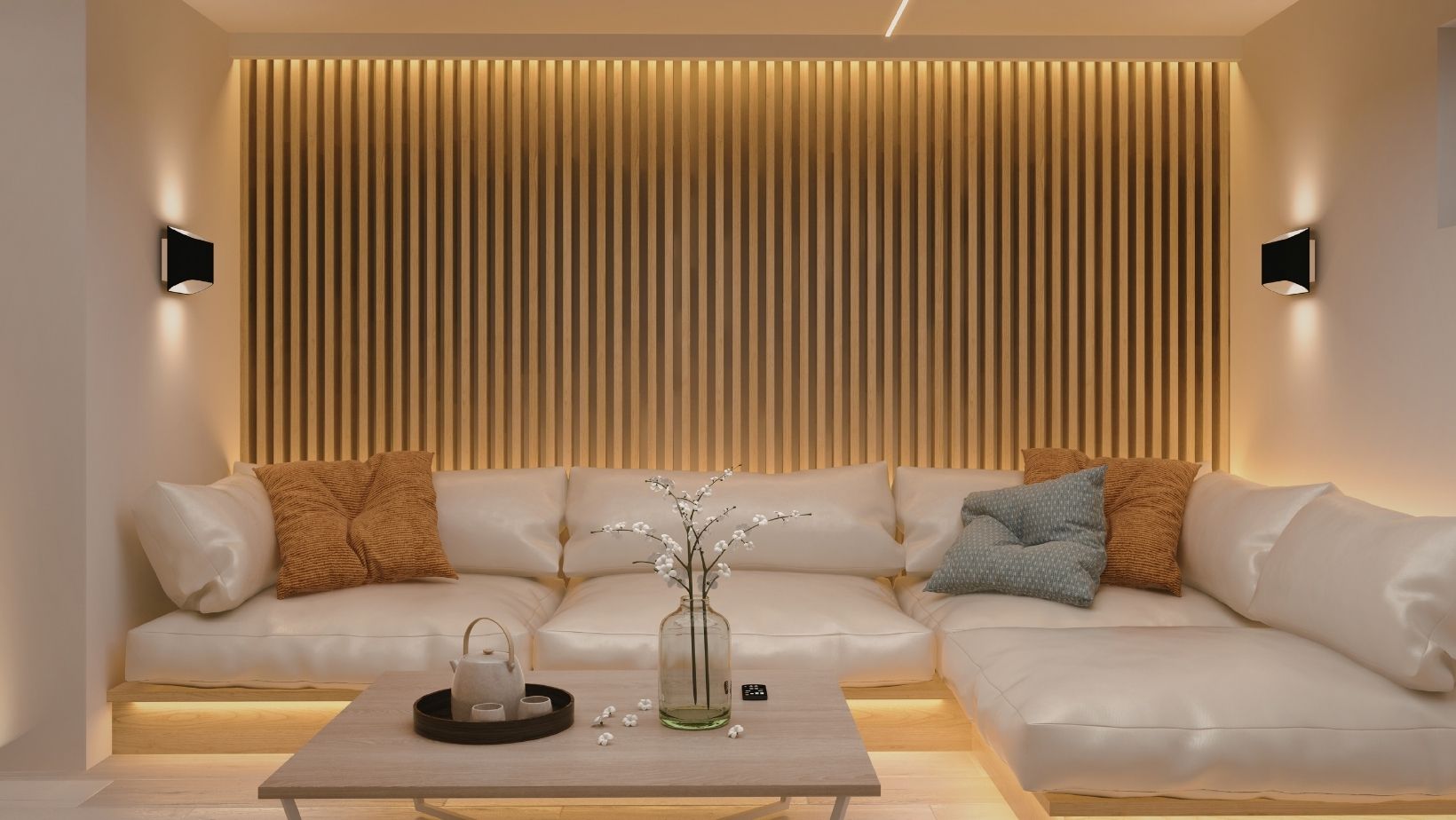
When it comes to designing interior spaces, choosing the right tiles and panels is a critical decision that influences not only the aesthetic appeal but also the longevity and functionality of a room. It’s not just about picking a colour or pattern; it’s about understanding the different materials available, the finishes they can incorporate, and how these choices can create an environment that balances both durability and style.
Contents
The Importance of Material Choice
The material you select for your tiles and panels can have a significant effect on the overall characteristics of your space. Popular options include ceramic, porcelain, natural stone, wood, and composite materials. Each offers distinct advantages. For instance, ceramic and porcelain tiles are known for their water resistance and durability, making them ideal for kitchens and bathrooms. Natural stone provides a timeless elegance but may require more maintenance. Wood brings warmth and texture, although it might not be suitable for high-moisture environments. Composite materials can offer a balance of aesthetics and durability, blending the properties of multiple materials to suit a variety of needs.
Exploring Finishes
Finishes play as important a role as the materials themselves. A glossy finish on tiles can add a sleek and modern edge to a room, reflecting light and making spaces feel larger. Matte finishes, conversely, provide a softer, more understated look and are often favoured for their ability to hide smudges and imperfections. Textured finishes are an excellent choice for areas where slip-resistance is key, such as in bathrooms or exterior spaces. The choice between these finishes can also affect maintenance levels, with some being easier to clean and others requiring more attention to maintain their appearance.
Durability and Maintenance Considerations
Durability is a paramount consideration, especially in high-traffic areas or where conditions can be harsh. While choosing durable materials is necessary, how these materials are maintained will also impact their longevity.
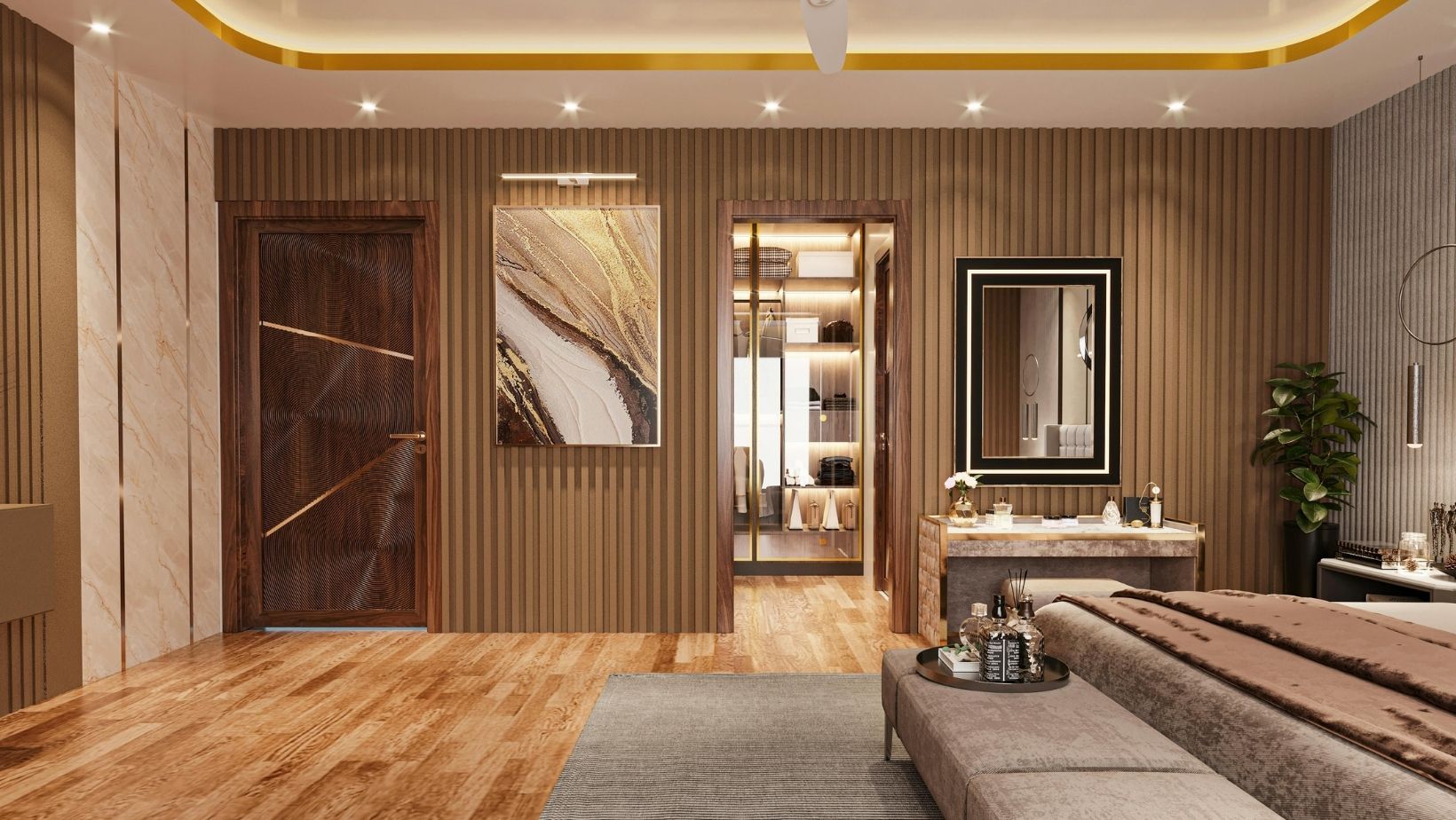
Tiles and panels with a high durability rating can withstand significant wear and tear, but regular maintenance, such as cleaning and periodic sealing, can extend their life. It’s important to match the durability of your materials with their intended use to strike the perfect balance between longevity and style.
Aesthetic Appeal and Design Integration
Different materials and finishes offer varying levels of aesthetic appeal and can be integrated into a broader design scheme in unique ways. For example, natural stone panels can add a touch of luxury and can be combined with minimalist furniture for a modern, sleek look. On the other hand, colourful ceramic tiles might suit a more eclectic or traditional décor. The key is to ensure that your choice complements the existing elements of your design, creating a cohesive and visually pleasing environment.
Environmental Impact and Sustainability
Today, the environmental impact of construction materials is an important consideration. Opting for sustainable materials not only helps in reducing the ecological footprint but can also lead to healthier indoor environments. Natural stone, reclaimed wood, and sustainably manufactured composites are often used by environmentally conscious designers. Moreover, some innovations in tile and panel manufacturing have focused on reducing resource consumption and adopting eco-friendly processes, which is a trend that’s likely to grow in importance moving forward.


