Table of Contents
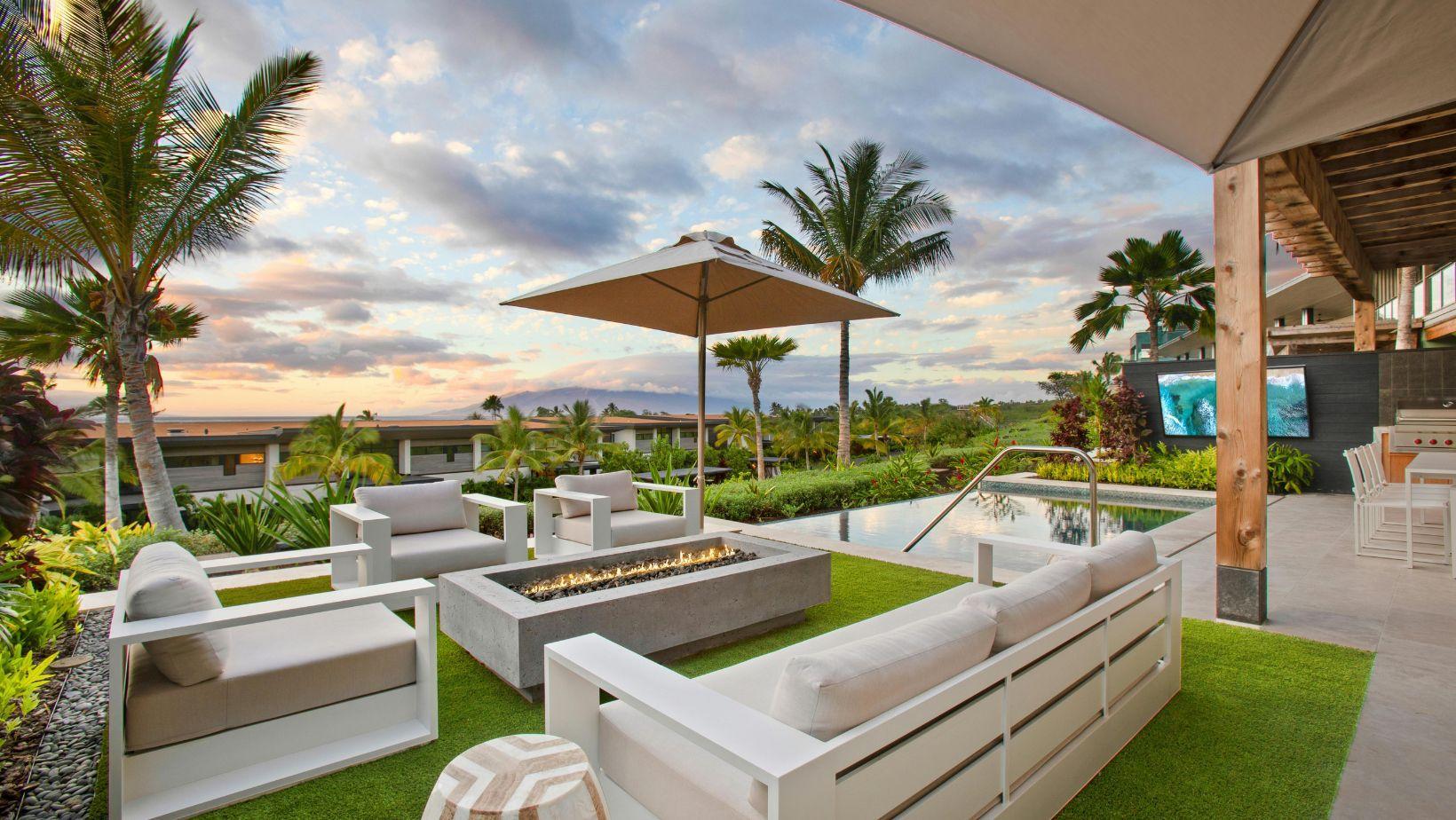
ToggleSome landscapes look carefully planned, yet somehow still feel completely at home in their surroundings. That balance usually comes from working with the land rather than forcing every feature into a rigid shape. Thoughtful stone placement, natural changes in level, layered planting, and well-planned drainage can all help create that effect. For homeowners considering Victorian rockscapes excavation, the real goal is often not simply to add rocks or reshape the ground, but to build an outdoor space that feels settled, believable, and connected to the property. When natural materials are placed with care, the finished garden can look as though it has evolved over time rather than being assembled all at once.
Contents
Start With the Shape of the Land
A natural-looking landscape begins with understanding what is already there. Slopes, low points, existing trees, drainage paths, and soil conditions all influence what will work best.
Experienced landscapers often use existing contours as part of the design. A gentle rise can become a planted bank, while a lower area may suit a drainage feature or gathering space. Working with natural levels can also reduce unnecessary excavation. The finished layout follows the logic of the site, creating spaces that feel comfortable rather than overly engineered.
Use Stone as Part of the Landscape, Not Decoration
Natural stone can look surprisingly artificial when it is placed without considering scale or context. A few isolated boulders sitting on flat soil may feel more like ornaments than part of the terrain.
Professionals usually think about how rocks would appear in nature. Larger stones may be partially set into the ground, grouped with smaller pieces, or positioned where a slope changes direction. Some edges can disappear beneath planting, while others remain visible.
This irregularity is important. Nature rarely arranges materials in perfect lines. When stone placement varies in height, angle, and spacing, the whole landscape begins to feel more convincing.
Choose Materials That Belong Together
Color and texture make a major difference. Stone that clashes with the surrounding soil, architecture, or existing hardscape can stand out for the wrong reasons. Materials that share similar tones often create a more settled appearance.
Natural formations contain variation, and a little contrast can add depth. The key is choosing materials that look related.
The same principle applies to gravel, paving, timber, and planting. When these elements feel as though they come from the same visual family, the space reads as one landscape rather than separate features. Even subtle color connections can make a newly completed project feel much more established.
Let Plants Soften the Hard Edges
Stone gives a landscape structure, but planting helps it feel alive. Groundcovers can spill over rock edges, ornamental grasses can soften sharp transitions, and shrubs can make larger boulders feel embedded in the garden.
Choosing plants that suit the local climate and site conditions also helps the landscape mature naturally. Sun exposure, soil type, water availability, and maintenance preferences should all influence the selection.
Plants should not hide every stone. Instead, they can create a gradual transition between hard surfaces and softer areas. As the garden grows, those transitions become more convincing and give the landscape a sense of permanence.
Build Drainage Into the Design
Water movement is one of the least visible parts of a good landscape, yet it can shape almost everything. Poor drainage can wash soil away, create muddy areas, undermine paths, or leave water sitting where plants struggle to survive.
Excavation and grading can direct water more effectively while still supporting a natural appearance. Swales, rock-lined channels, gravel zones, and subtle changes in slope can all help manage runoff.
The best drainage solutions often blend into the design. Instead of looking like a separate technical feature, they can become part of the landscape itself. A shallow channel lined with stone, for example, may guide water while adding texture to the garden.
Create Paths That Follow Natural Movement
Straight paths have their place, especially near entrances and formal architecture, but softer landscapes often benefit from routes that respond to the terrain. A path that curves around a planting bed, follows a slope, or passes between rock groups can feel more relaxed.
The route still needs to be practical and comfortable to use.
Gravel, stepping stones, natural paving, or compacted surfaces can all work depending on the setting. The goal is to make the path feel like part of the wider landscape, not a line drawn across it. Small changes in width or direction can also make a walk through the garden feel more natural.
Use Excavation to Create Depth and Variety
Excavation is not only about removing soil. It can also help create the levels and transitions that make an outdoor space feel more interesting.
A small change in elevation can define a seating area, create room for a retaining feature, or help a rock garden sit more naturally within the site. Terraces can make a sloping property easier to use, while shaped banks can provide space for layered planting.
Good excavation should feel purposeful. Every cut, level, or change in grade needs a reason. When the groundwork supports both appearance and function, later elements such as stone, paths, and plants fit together more naturally.
Avoid Making Every Area Too Perfect
One of the easiest ways to lose a natural feeling is to make every edge identical. Perfect symmetry, evenly spaced stones, and repeated planting patterns can make a garden feel more formal than intended.
A more organic design allows for controlled variation. One section may have denser planting, while another opens onto a larger stone feature. Some rocks may sit close together, while others are separated by soil and greenery.
Skilled landscaping often looks effortless because the planning is hidden. The irregularity is deliberate, giving the space character without making it feel messy.
A Landscape That Feels Better Over Time
The most rewarding natural-style gardens often improve as they mature. Plants fill gaps, stone surfaces weather, groundcovers spread, and the whole space begins to feel increasingly connected.
That long-term view is one reason experienced planning matters. A good design considers what the garden will look like several years from now, not just on installation day. Stone needs to remain stable, drainage should continue working, and plants need enough room to grow.
When excavation, stonework, planting, and grading are handled as parts of the same plan, the result can feel remarkably effortless. The space becomes practical enough for everyday use while still carrying the irregular beauty of the natural environment. That is often what makes an outdoor area feel truly settled, comfortable, and worth spending time in.