Gardening begins long before the first seed hits the soil—it starts with selecting the right nursery. Whether cultivating a backyard oasis, building a pollinator-friendly balcony, or growing your produce, the place where your plants originate matters immensely. Nurseries are the foundation for your garden’s success, influencing plant health, adaptability, and long-term costs. But not all nurseries are created equal. Knowing how to assess one is crucial for both novice and experienced gardeners. We will explore how to confidently navigate your options and identify the plant nursery that aligns with your gardening goals.
What to Look for When Choosing a Plant Nursery
Check for Plant Health and Care Standards
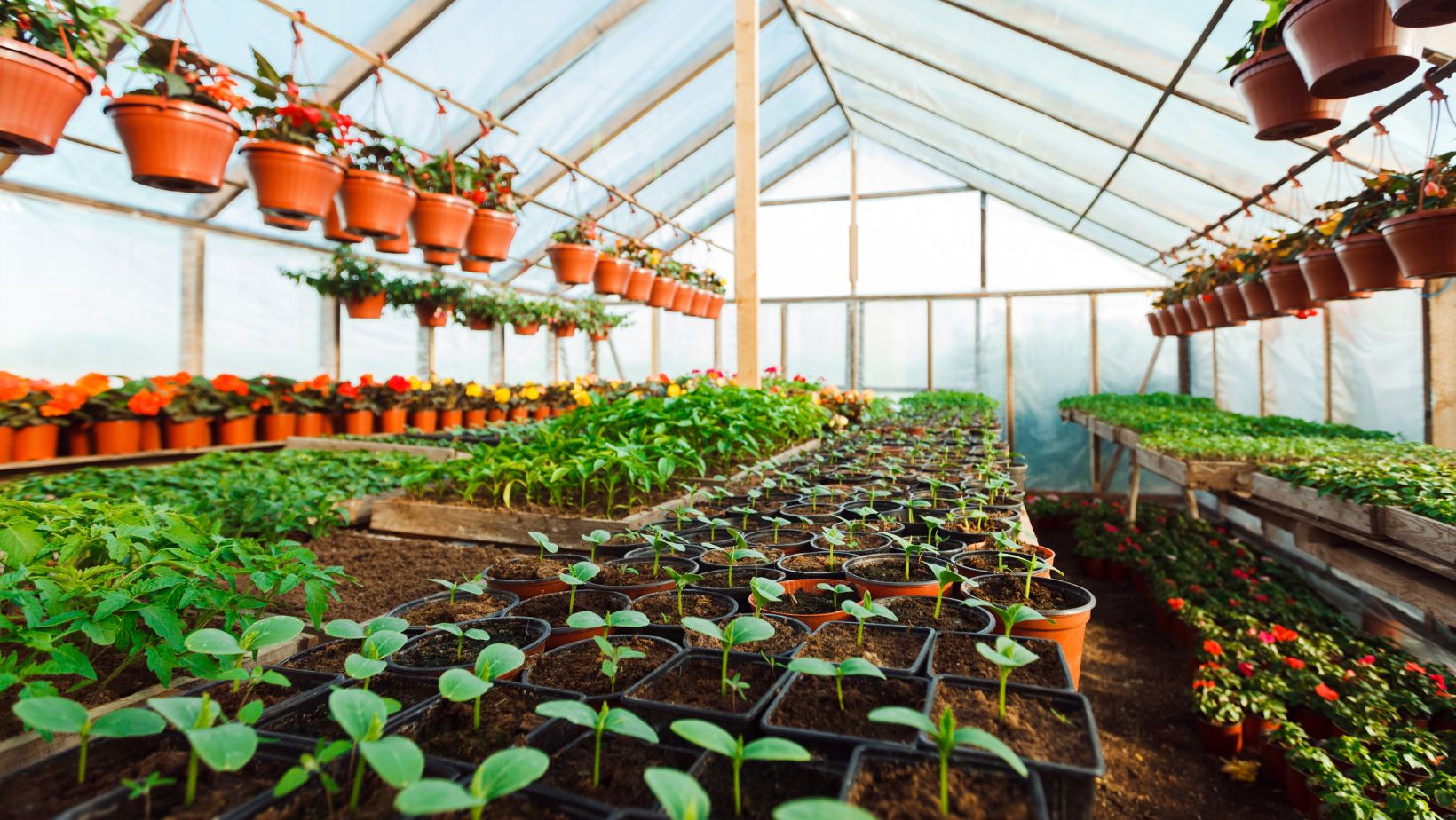
One of the first indicators of a quality nursery is the condition of its plants. Healthy plants are the building blocks of a thriving garden; their state can tell you a lot about how the nursery operates. Begin by examining the foliage—leaves should be vibrant and free of discoloration, pests, or unusual spots. Soil should be moist but not soggy, and pots should allow proper drainage. Avoid plants with wilting stems or roots protruding from their containers, as this can indicate overgrowth or poor maintenance. Also, consider how the plants are displayed.
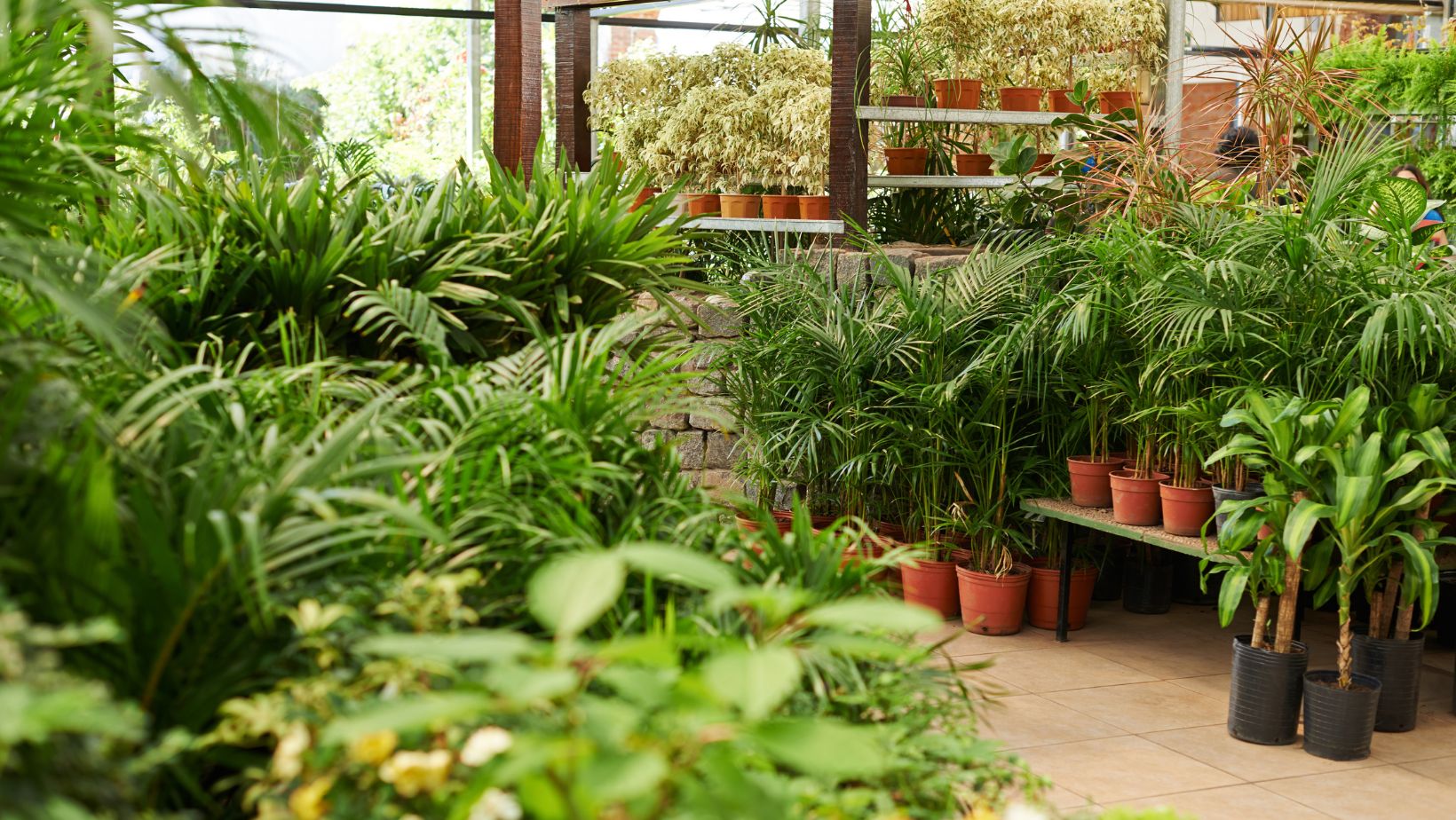 Are they grouped by light or water needs? Are labels detailed and helpful? These small details reflect a nursery’s dedication to plant care. Staff attentiveness, visible watering schedules, and clean environments also contribute to consistent plant health, ensuring that what you bring home has a strong start in your garden. You can trust this Portland nursery for all your plant needs if these standards are clearly met.
Assess the Nursery’s Plant Selection Variety
Every garden is unique, and the right nursery should offer a broad range of plant options to suit your space, climate, and intentions. A quality nursery stocks more than just trendy plants—it provides a balanced selection that includes native species, perennials, annuals, herbs, shrubs, and trees. This range helps you make informed decisions based on your needs rather than what is available at a given moment. Native plants, particularly, are beneficial because they tend to be more resilient and support local ecosystems.
Look for a nursery that also offers seasonal rotations, which shows they’re in tune with planting cycles and regional growing conditions. A wide selection ensures you can experiment, diversify your garden, and avoid settling for unsuitable options because alternatives aren’t available. The more diverse the offering, the more likely the nursery will focus on helping gardeners thrive year-round.
Evaluate Staff Knowledge and Customer Engagement
While you don’t need to rely on staff for every planting decision, having access to well-informed and approachable employees can enhance your shopping experience. Engaged staff should be able to guide you through your options based on soil conditions, sun exposure, or maintenance levels. More importantly, they should be willing to ask questions about your garden’s unique characteristics rather than offering one-size-fits-all advice. You can test their insight by asking about pest resistance, bloom cycles, or companion planting suggestions.
A nursery encouraging educational conversations shows its commitment to long-term customer success rather than short-term sales. Additionally, observe whether the staff actively cares for plants during your visit—trimming, watering, or repotting as needed. These actions suggest they are knowledgeable and invested in plant health and customer satisfaction, creating a better shopping experience and more confident decision-making.
Look for Sustainable and Ethical Practices
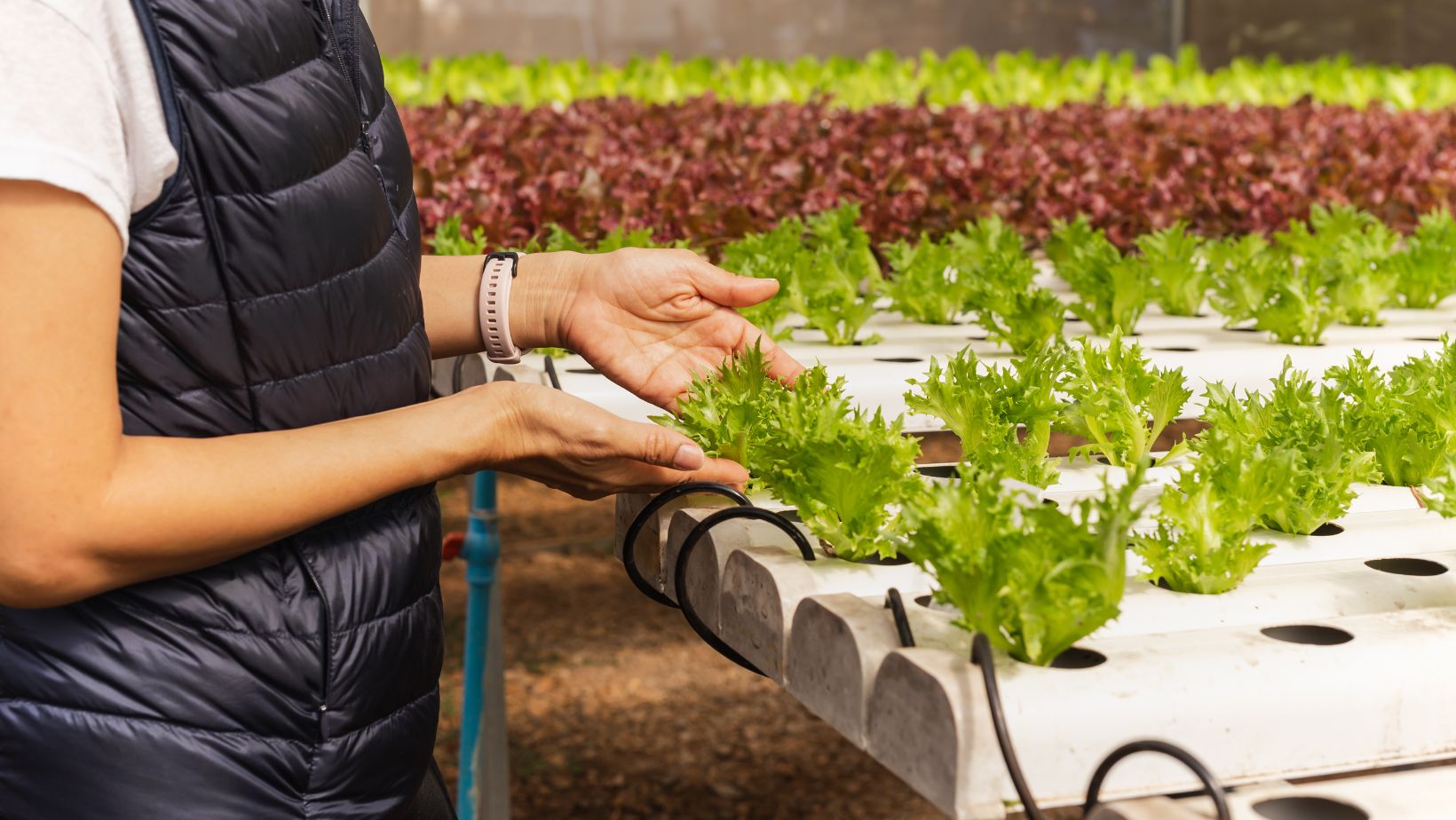
A nursery that values sustainability can be a strong ally for environmentally conscious gardeners. Take note of whether plants are grown on-site or sourced from ethical growers. Ask if they use organic soils, natural pest control methods, or biodegradable containers. Sustainable nurseries may also focus on reducing waste, conserving water, or promoting pollinator-friendly gardening practices.
 These attributes not only reflect the business’s values but also influence the long-term health of your garden. If the plants have been raised using chemicals or excessive fertilizers, they might struggle when transplanted to a more natural environment.
Nurseries that advocate for ecological balance and habitat restoration often carry hardier, more adaptable plants. Consider whether the business supports local community gardening initiatives or offers educational workshops on sustainable practices. These programs indicate a broader vision that aligns with thoughtful, responsible gardening. Making sustainability a priority in your nursery selection helps you contribute positively to your environment.
Choosing a plant nursery is more than a shopping decision—it’s an investment in the future of your garden. The plants you bring home will only flourish if nurtured with care. From assessing plant health and evaluating variety to engaging with staff and supporting sustainable practices, each factor plays a role in building a thriving gardening experience. Local accessibility and fair pricing also ensure that your relationship with the nursery is one you can maintain in the long term. Let your instincts, observations, and aspirations guide you to a nursery that aligns with your goals, and enjoy the rewards that grow from that choice.