A well-organized wardrobe can transform the way you start your day, making dressing faster, easier, and far more enjoyable. Many people underestimate the impact of a thoughtfully designed wardrobe. It’s not just about storing clothes; it’s about creating a space that inspires order, efficiency, and style. With smart wardrobe designs, clutter becomes a thing of the past, and clarity takes center stage.
The Importance of Wardrobe Organization
A cluttered wardrobe can lead to unnecessary stress, wasted time, and even damaged clothing. When items are difficult to access, you’re more likely to misplace them or make last-minute choices that don’t suit your day. On the other hand, a structured and well-planned wardrobe allows you to see all your options at a glance, making dressing a seamless experience.
Smart organization isn’t just about aesthetics—it’s about functionality. By investing in a wardrobe system that works for your lifestyle, you can maximize space, protect your clothing, and simplify your daily routine.
Space-Saving Techniques That Make a Difference
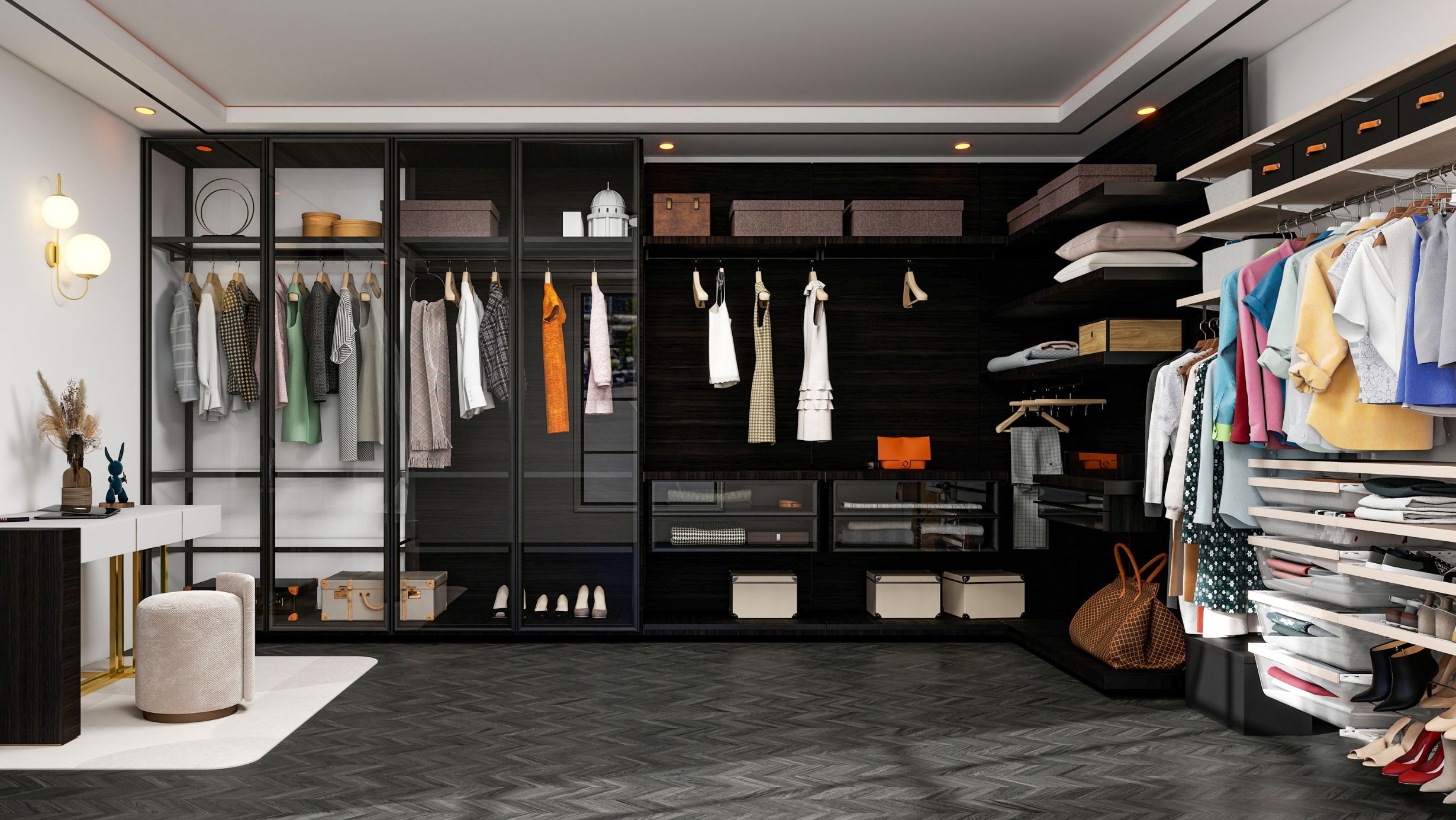
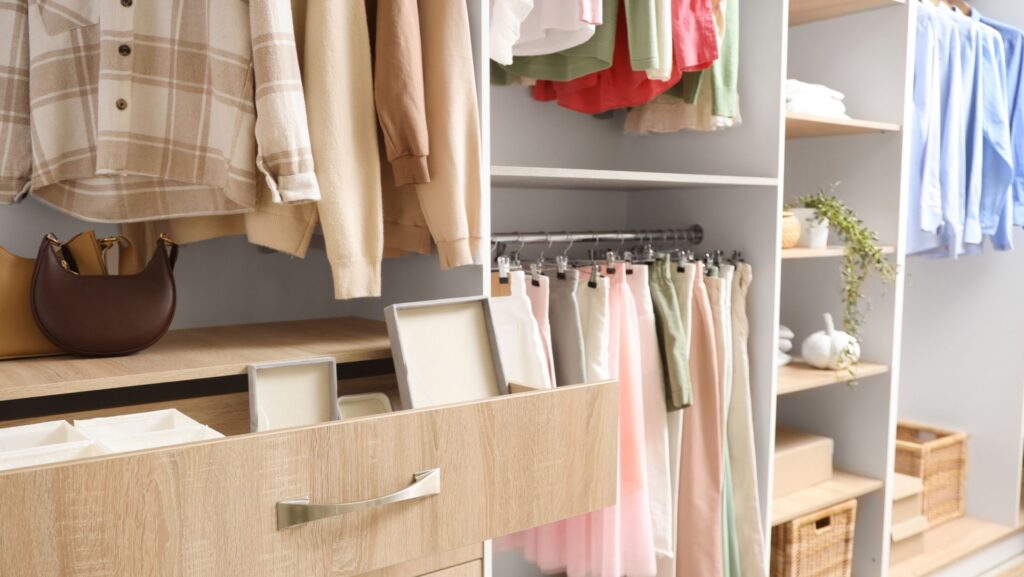
One of the most effective ways to enhance your wardrobe is by using space-saving solutions. Adjustable shelving, pull-out drawers, and double-hanging rods can dramatically increase storage without taking up additional room. These solutions are particularly useful in smaller bedrooms where every square inch counts.
Incorporating baskets, boxes, or dividers within shelves can also help categorize smaller items such as accessories, belts, and scarves. This method not only keeps your wardrobe tidy but also prevents items from getting lost in the shuffle.
Smart Wardrobe Designs for Every Lifestyle
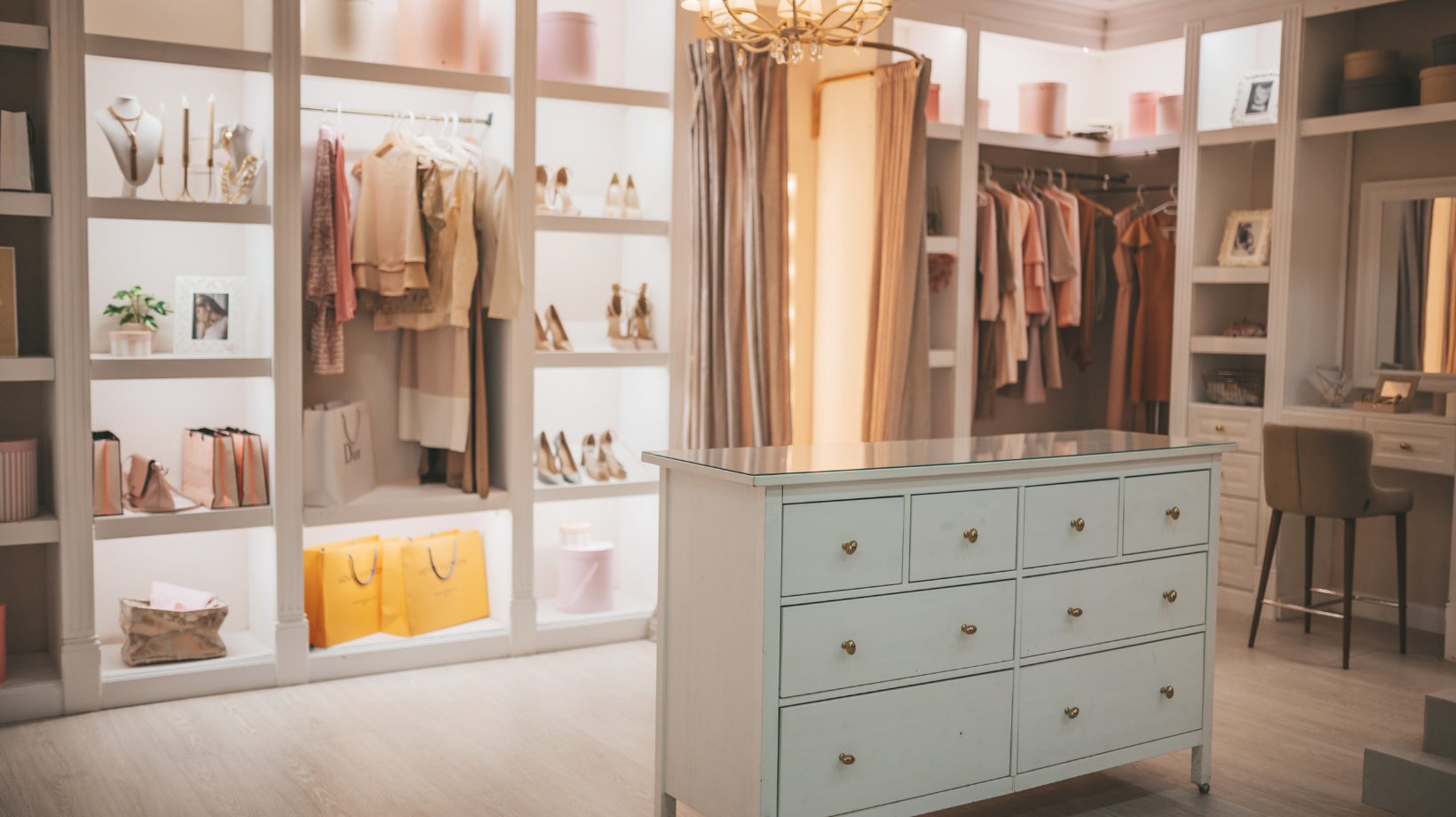
Different lifestyles demand different wardrobe solutions. For someone with a minimalist approach, a simple layout with clean lines and ample hanging space may suffice. Meanwhile, a fashion enthusiast with a growing collection of shoes, bags, and accessories may benefit from a more customized system with dedicated compartments for each category.
Consider features like built-in lighting, mirrored doors, or rotating racks. These additions may seem small, but they can significantly improve visibility and accessibility, allowing you to make the most of your wardrobe without sacrificing style.
Choosing the Right Wardrobe Materials
Materials play a critical role in both the functionality and longevity of your wardrobe. Options range from solid wood to engineered products that offer cost-effective durability. Modern designs often combine these materials to balance aesthetics, strength, and affordability.
For example, MDF sliding wardrobe doors offer a sleek, modern look while maximizing room space. Unlike traditional hinged doors, sliding doors do not require clearance to open, making them ideal for compact bedrooms. They can be customized with mirrors, decorative panels, or paint finishes, blending seamlessly with the overall room design while providing practical functionality.
Maximizing Accessibility and Visibility
A smart wardrobe is not just about storing items—it’s about seeing and accessing them easily. Pull-out trays for shoes, tiered hangers for clothing, and clear storage bins for seasonal items can all contribute to a more efficient system. The goal is to reduce the time spent searching for items and increase the ease of maintaining organization.
Labeling drawers or compartments can also improve usability, especially in shared wardrobes. Even a simple system can make a huge difference in maintaining order and preventing clutter from accumulating again.
The Role of Personalized Design
Personalization is key when it comes to smart wardrobe designs. What works for one person may not work for another, so it’s important to consider your habits, routines, and storage needs. Do you prefer to see all your shoes at once, or are you more focused on hanging garments? Do you need a dedicated section for accessories or formalwear? Answering these questions will guide your design choices and ensure that your wardrobe works for you, not against you.
Consulting with a professional designer or using customizable modular systems can make this process easier, giving you flexibility and efficiency while keeping style intact.
Maintaining Your Organized Wardrobe
Even the most intelligently designed wardrobe requires upkeep. Regularly decluttering items you no longer wear, cleaning surfaces, and reorganizing seasonal clothing will help maintain the clarity you’ve worked hard to achieve.
By establishing a routine—such as a seasonal review or monthly organization—you can prevent clutter from creeping back in. Maintaining a wardrobe is not a one-time effort but an ongoing process that ensures your space remains functional and visually appealing.
Conclusion
Smart wardrobe designs are more than just a trend—they’re a practical solution for anyone looking to simplify daily routines and maintain order in their living space. From space-saving solutions to personalized layouts and durable materials, investing in the right wardrobe system can turn chaos into clarity. A thoughtfully designed wardrobe isn’t just about storage; it’s about creating a space that brings calm, efficiency, and even a touch of luxury to your everyday life.