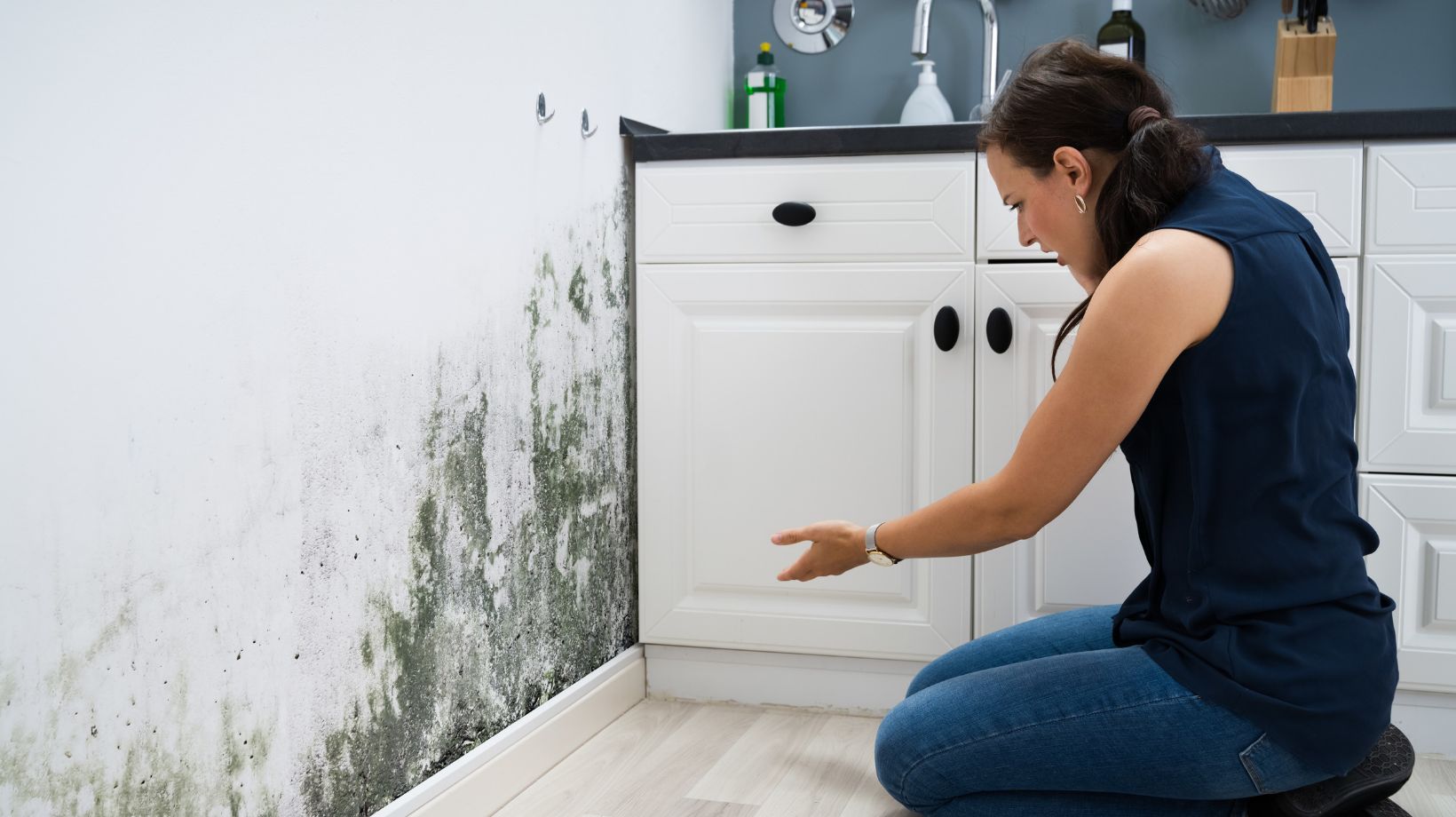

Water damage is one of the most costly and disruptive issues a homeowner can face. Water intrusion can quickly escalate into a large-scale repair project if not caught early, from ruined flooring to mold infestations and weakened structural elements. The challenge is that many plumbing issues begin hidden behind walls, beneath floors, or within ceilings, remaining invisible until the damage becomes extensive. That’s where the role of a professional plumbing contractor becomes critical. We will explore how hiring the right plumbing contractor can safeguard your home against catastrophic water damage, giving you peace of mind and helping you maintain the long-term integrity of your property.
Proactive Measures Plumbing Contractors Take to Protect Your Home
-
Thorough Inspections to Catch Issues Before They Escalate
One of the most effective ways a plumbing contractor in Duluth MN can prevent major water damage is by thoroughly inspecting your plumbing system. These inspections often include checking visible pipes, faucets, toilets, water heaters, and hidden supply lines. Many plumbing problems—such as small leaks, corrosion, or loose connections—can go unnoticed by homeowners until they cause visible damage.
Contractors are trained to detect early warning signs that the average person might miss, such as subtle water stains, slightly warped wood, or faint mildew smells. They also use tools like moisture meters and thermal imaging cameras to uncover hidden leaks. Catching issues in this early stage allows for affordable, minor fixes before they spiral into something more destructive. Preventative inspections also give homeowners a clear picture of their plumbing system’s condition and can help prioritize maintenance before damage begins.
-
Installation of Shut-Off Valves and Leak Detection Devices
A plumbing contractor can significantly reduce your home’s risk of water damage by installing smart shut-off valves and leak detection devices. These systems are designed to automatically cut off the water supply when a leak or rupture is detected. This is especially important when a homeowner is away on vacation or at work, as water can cause thousands of dollars in damage within a short timeframe if left to flow unchecked. Shut-off valves can be installed at the main water line or specific vulnerable points, such as under sinks or behind toilets.
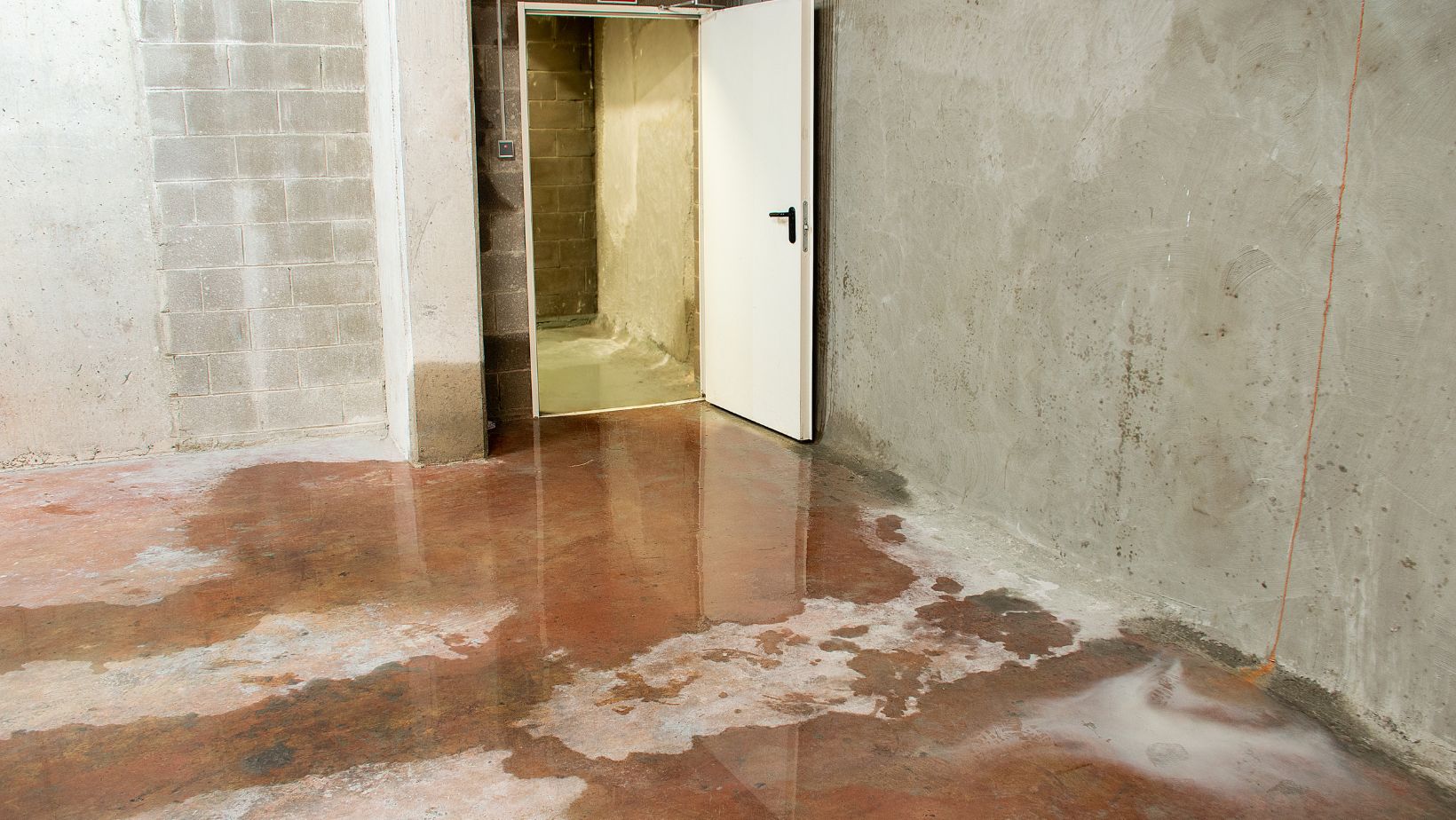
Leak detection systems often come with mobile alerts, notifying homeowners of a potential issue in real time. Contractors ensure these devices are installed correctly and integrated into your plumbing infrastructure, responding accurately and swiftly to emerging problems. Their ability to add this layer of proactive defense is an investment in the safety and longevity of your home.
-
Replacement of Old or Faulty Plumbing Materials
Another important way plumbing contractors prevent water damage is by identifying and replacing aging or substandard plumbing materials. Older homes may still have galvanized steel or polybutylene pipes, which are more prone to corrosion, leakage, and rupture than modern alternatives like PEX or copper. A contractor can assess the condition and type of your piping and recommend strategic replacements in high-risk areas, such as behind bathrooms or kitchens, where leaks can cause the most destruction.
Additionally, outdated or deteriorating fixtures like water heaters, supply lines, and shut-off valves are all candidates for replacement. A contractor ensures that the materials used meet current plumbing codes and are appropriate for your home’s water system demands. This not only improves the reliability of your plumbing but also minimizes the risk of unexpected pipe bursts and water-related disasters.
-
Proper Installation and Slope of Drainage Systems
Water damage isn’t only caused by leaks; improper drainage can also be a major culprit. Plumbing contractors understand how important it is to install drainage systems with appropriate slope and venting correctly. When wastewater doesn’t flow properly due to poor slope or clogged pipes, it can lead to backups and overflows inside the home. Improper venting can also cause negative pressure in the lines, drawing water out of traps and leading to foul odors or sewer gas intrusion.
Contractors ensure that pipes are angled correctly and that all fixtures have adequate drainage. They also test the system to confirm everything is flowing as it should. Additionally, when installing appliances like dishwashers, washing machines, or showers, they seal all connections and ensure overflow protection features are working correctly. This attention to detail is crucial for preventing slow leaks and standing water, which can ruin walls and flooring over time.
-
Emergency Response and Ongoing Maintenance Plans
Even with preventative efforts, emergencies can happen.
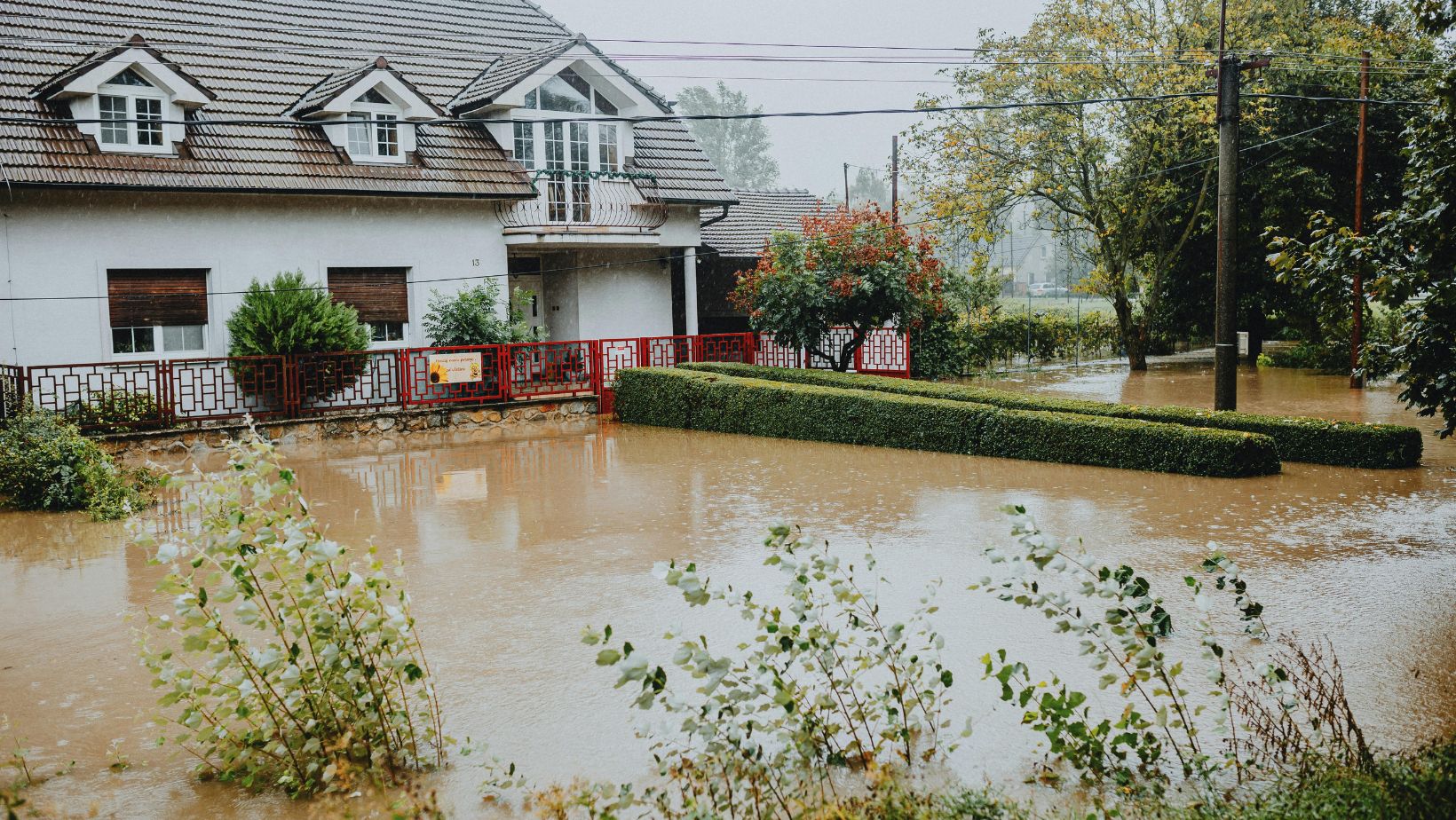
Plumbing contractors play an important role in emergency response by quickly locating and repairing the source of a leak or burst pipe. Their knowledge of plumbing layouts allows them to isolate problems efficiently, minimizing the extent of damage. More importantly, many contractors offer ongoing maintenance plans, including annual or biannual checkups, drain cleaning, pressure testing, and hot water system inspections.
These scheduled visits keep your plumbing in good condition and reduce the chances of unexpected failures. Homeowners who partner with a contractor in this way are often the first to know about developing issues, long before they become water damage nightmares. By fostering a long-term relationship with a contractor familiar with your home’s plumbing system, you ensure faster service during emergencies and more accurate maintenance over the years. This proactive care reduces risk and supports a safer, drier, and more secure home environment.
Protecting your home from water damage requires more than luck or quick DIY fixes. A plumbing contractor is crucial in safeguarding your property through inspections, modern installations, early leak detection, emergency response, and long-term maintenance. Their ability to detect subtle issues before they become major problems, replace outdated materials, and implement smart plumbing solutions is vital for any homeowner looking to avoid costly water damage. By investing in these professional services and forming a continuous partnership, you’re not just reacting to plumbing issues but actively preventing them. Your home deserves that level of care and foresight.