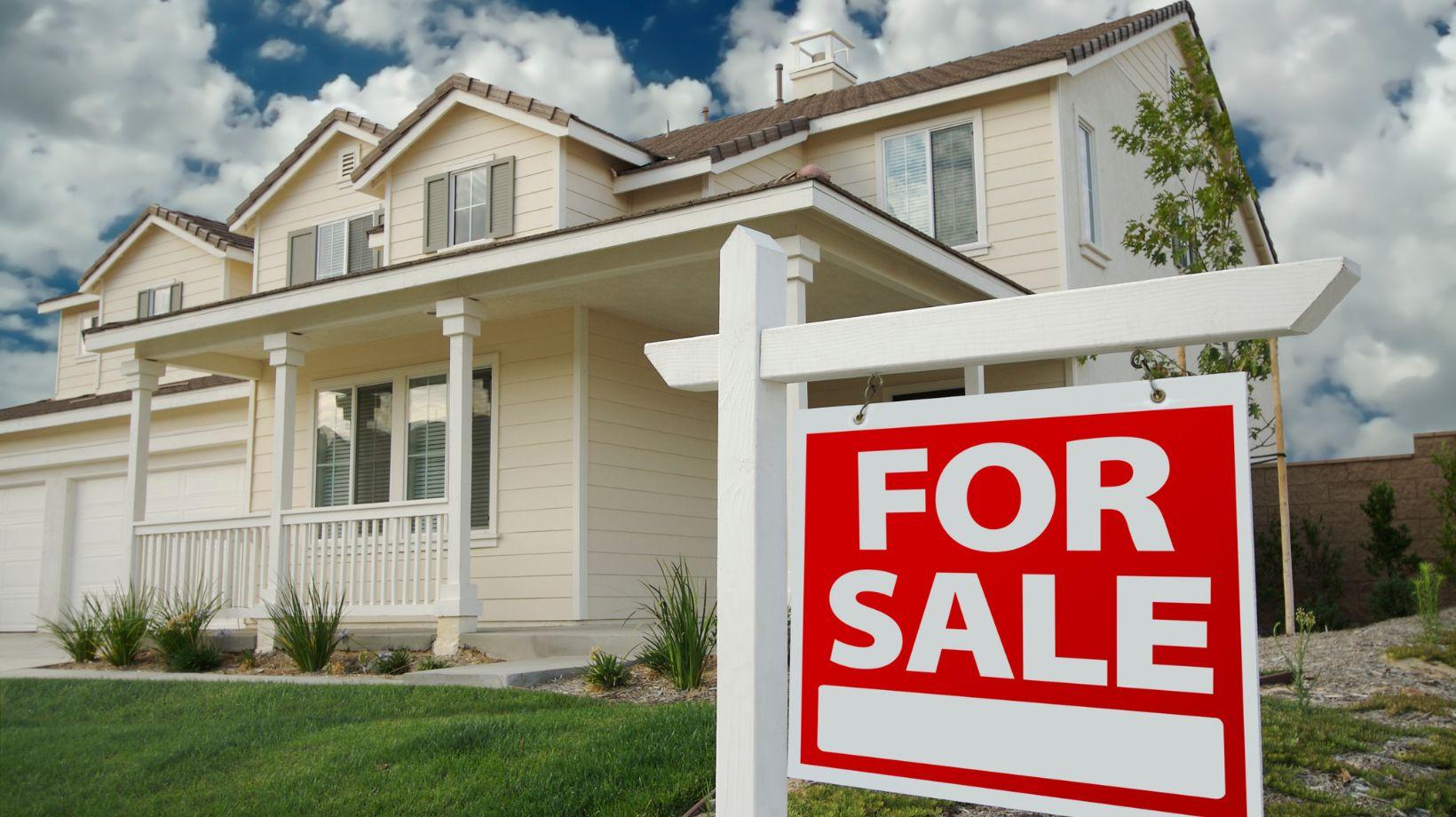

A home’s value is influenced by many factors, from its curb appeal to the condition of its structural components. Investing in a new roof is among the most impactful upgrades a homeowner can make. While it may not be as visible or glamorous as a remodeled kitchen or updated bathroom, a roof plays a vital role in protecting the home’s integrity and signaling buyers and appraisers that the property is well-maintained. When it’s time for an appraisal, the roof is one of the critical elements evaluated, and a new roof can directly boost the appraised value by improving functionality, aesthetics, and longevity. We will explore how a roof replacement enhances property value and why homeowners considering a sale or refinancing may want to prioritize this investment.
A Worthwhile Investment for Lasting Value
Improved Curb Appeal and First Impressions
One of the first things an appraiser or potential buyer notices is the home’s exterior, and the roof is a prominent feature in that view. A new roof with clean, uniform shingles and a modern color palette instantly elevates the home’s curb appeal, making it more attractive from the street. This visual upgrade communicates care and attention, influencing the perceived value before stepping inside. An old or damaged roof with missing shingles, stains, or signs of wear can have the opposite effect, lowering expectations and prompting concerns about underlying issues. Appraisers take note of these details, and while aesthetic value alone doesn’t determine the appraisal, it contributes to the overall condition score. Homeowners in regions where roofing styles vary by climate may also benefit from materials suited to local weather patterns, further boosting desirability. In communities where roofing replacement in Pearl is standard due to storms or heat, installing a new, durable roof signals proactive maintenance that appeals to buyers and appraisers alike. A new roof lays a positive foundation for the entire appraisal process by enhancing curb appeal and minimizing red flags.
Enhanced Structural Integrity and Reduced Risks
Beyond aesthetics, a new roof provides tangible improvements to a home’s structural integrity. An aging roof may harbor leaks, deteriorating underlayment, or compromised flashing, leading to water damage, mold, or insulation issues. Appraisers are trained to assess signs of wear that could indicate future repair costs, and a roof nearing the end of its lifespan may negatively impact the valuation. By contrast, a new roof assures the home is protected from leaks and weather-related damage, reducing the likelihood of costly repairs.
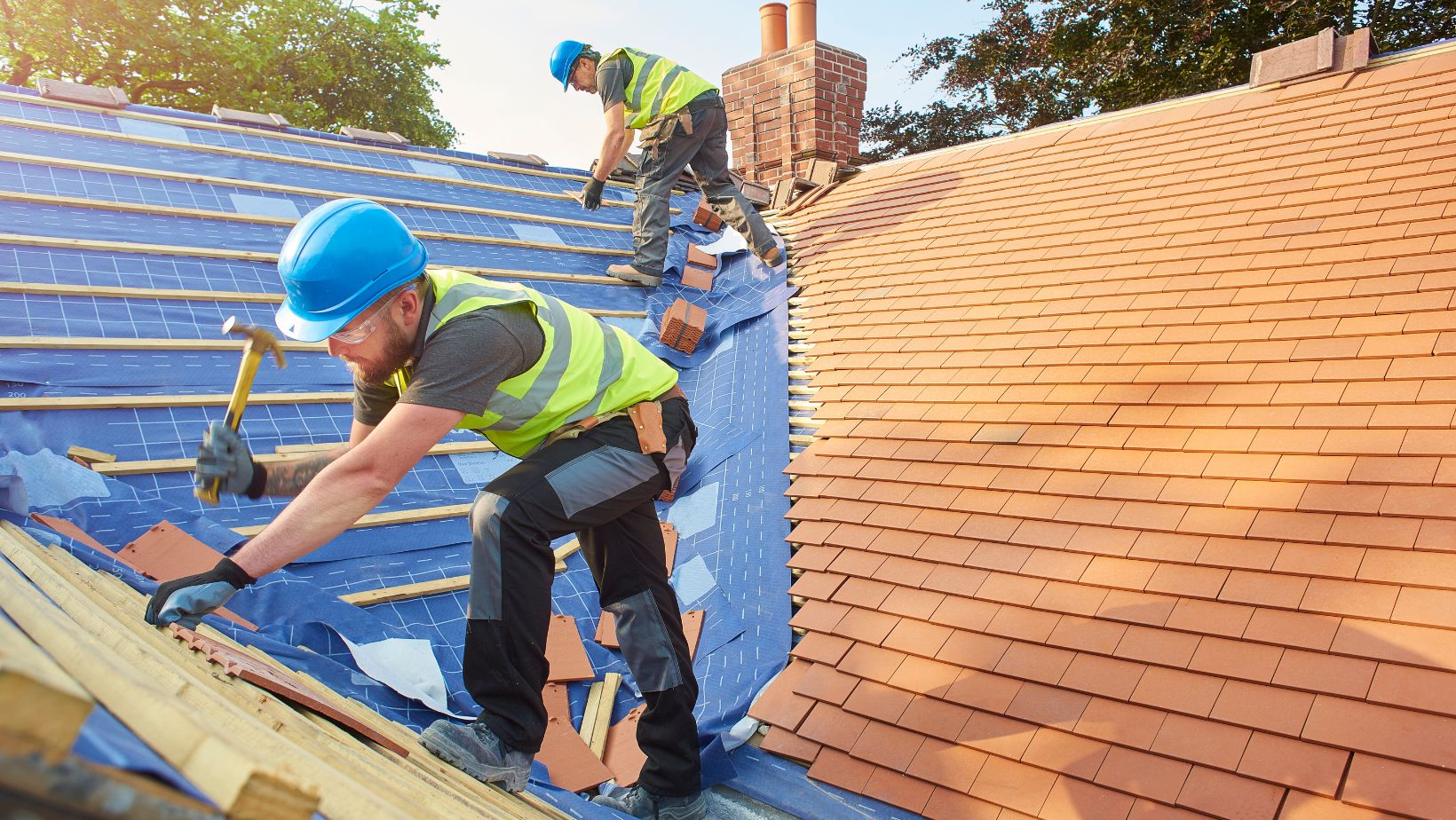
This improvement is particularly significant for lenders evaluating a home’s suitability for a mortgage, as properties requiring major roof repairs may be flagged for additional inspections or loan conditions. Replacing the roof eliminates these concerns, streamlining the appraisal process and increasing the home’s market readiness. Additionally, newer roofing systems often come with transferable warranties, which can be an attractive selling point for buyers seeking long-term peace of mind. This layer of protection reinforces the appraiser’s confidence in the home’s condition, leading to a more favorable valuation.
Energy Efficiency and Modern Standards
Many new roofing materials are designed to enhance energy efficiency by reflecting heat, improving insulation, or accommodating ventilation upgrades. These features contribute to a home’s overall energy performance, which appraisers may factor into the valuation, especially in regions where energy efficiency influences market trends. A new roof that lowers cooling or heating costs adds practical value that appeals to eco-conscious buyers and appraisers alike. In some jurisdictions, installing energy-efficient roofing may qualify the homeowner for tax credits or certifications that increase resale value. Moreover, roofing systems that support solar panels or green roofing elements can be a bonus in modern real estate markets. By upgrading to a roof that meets current energy codes or exceeds previous standards, homeowners position their property as more competitive and desirable. This alignment with modern expectations saves future owners money and signals that the home is updated for today’s living requirements. As sustainability becomes a priority for buyers and appraisers, energy-efficient roofing contributes to a higher appraisal by enhancing both function and market appeal.
Reduced Maintenance Concerns for Buyers
Another reason a new roof increases appraised value is the reduced anticipated maintenance for future owners. An appraiser considers the remaining lifespan of major components when assessing a home’s value, and a roof nearing the end of its useful life translates to upcoming expenses. Buyers may use this as leverage to negotiate a lower price or request repairs before closing. By replacing the roof before listing the home, the seller eliminates this obstacle and presents a property with fewer immediate maintenance needs. This move strengthens the home’s market position and reduces the likelihood of price reductions tied to inspection findings. A new roof can improve insurance ratings, potentially lowering premiums for the next owner, which adds a layer of financial appeal. For appraisers, the reduced burden of repairs and maintenance enhances the home’s condition rating, contributing to a valuation that reflects a move-in-ready property. Homeowners planning to sell within a few years can view a roof replacement as an investment that pays dividends in the appraisal and negotiation phases.
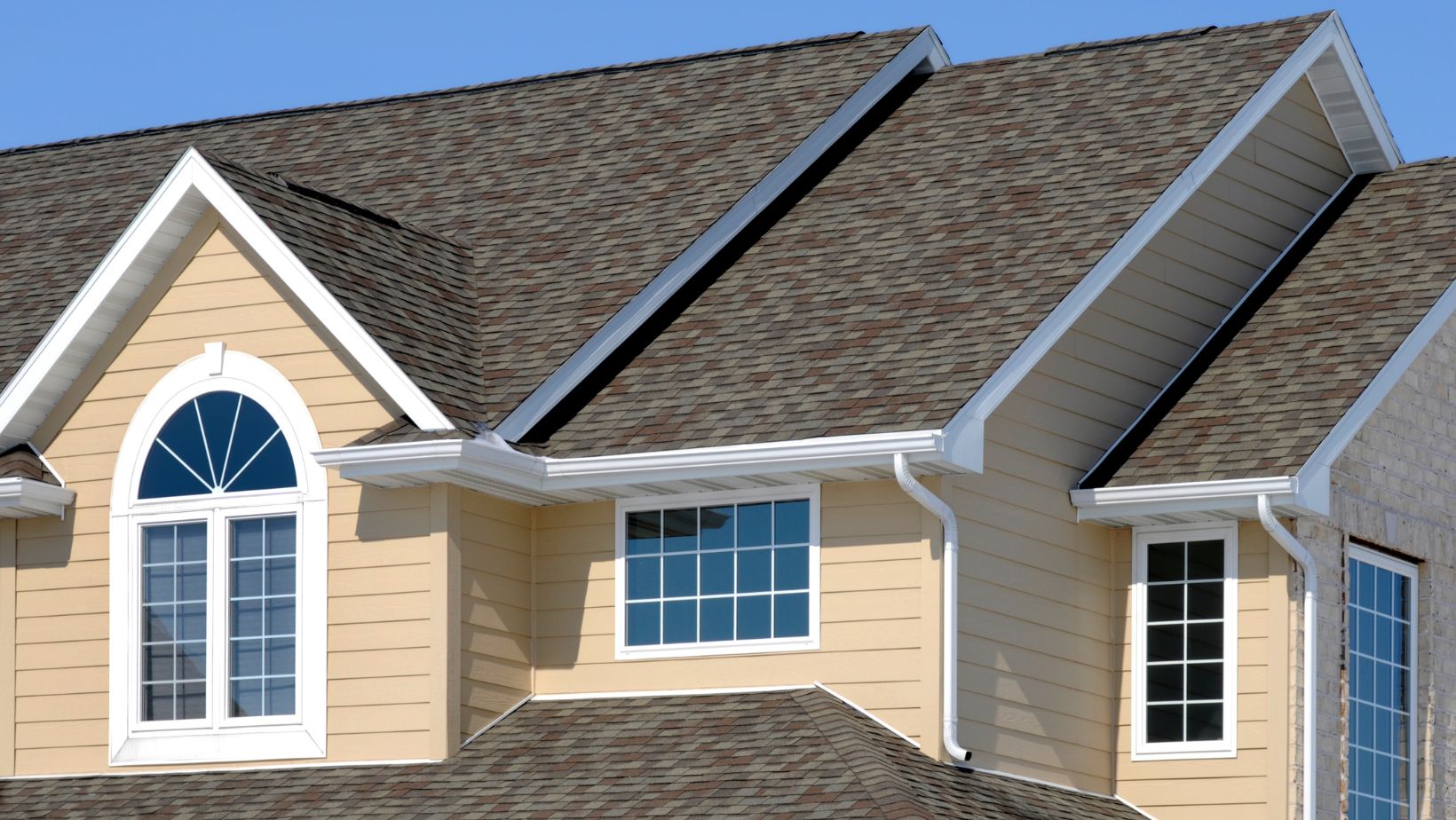
A new roof is more than just a protective covering; it’s an investment that delivers immediate and long-term benefits for homeowners seeking to increase their appraised value. By improving curb appeal, ensuring structural integrity, enhancing energy efficiency, and reducing future maintenance concerns, a roof replacement strengthens the property’s overall condition in the eyes of appraisers and buyers alike. This proactive improvement helps avoid appraisal delays, boosts buyer confidence, and positions the home for stronger offers when it hits the market. Even for those not selling immediately, the value added through enhanced durability and reduced risk makes the investment worthwhile. For homeowners evaluating which upgrades will provide measurable returns, few improvements rival the impact of a new roof on a home’s appraised value.