
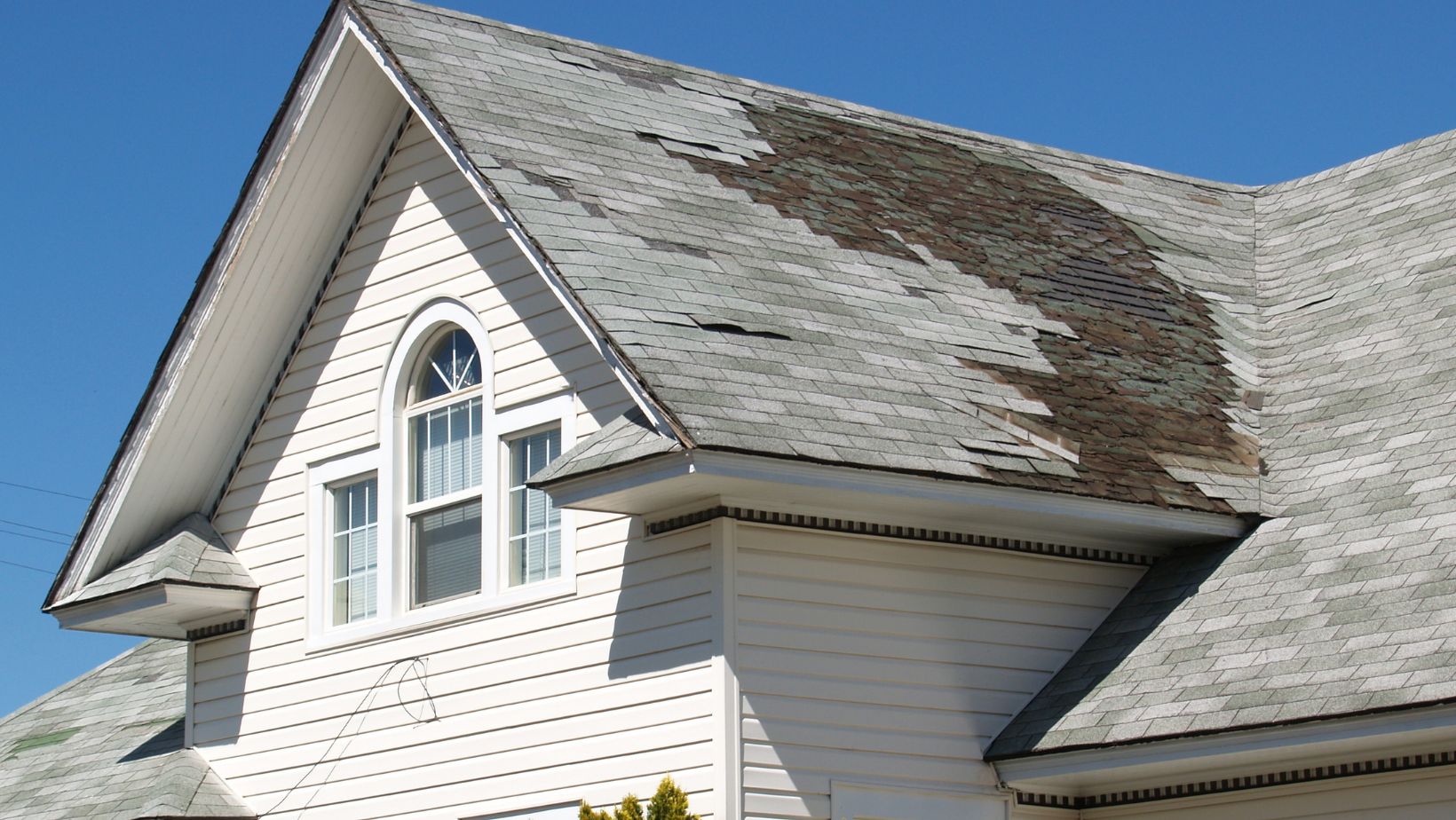
A roof is one of the most essential parts of any home, yet it’s often overlooked until problems begin to show. Leaks, stains on the ceiling, or missing shingles might appear as minor issues initially, but they can quickly develop into more significant concerns if ignored. Not every roofing problem requires a complete replacement; sometimes, a simple repair can significantly extend your roof’s life. Knowing the difference between what can be patched and what needs to be torn off and rebuilt is crucial for protecting your home and your budget. We will explore how to assess whether your roof needs minor repairs or a complete replacement and what signs should never be ignored.
Ways to Assess Whether Your Roof Needs Repair or Replacement
Age and Roofing Material Lifespan
Age is one of the most straightforward indicators of whether a roof might need replacing. Different materials come with varying life expectancies, and knowing how old your roof is can help you understand how close it might be to the end of its life—for example, asphalt shingles, common on many homes, usually last between 20 and 30 years. Metal roofs can last over 40 years, while clay or concrete tiles often go even longer. Suppose your roof is nearing the end of its expected lifespan, and you’re noticing other signs of deterioration, like curling shingles, granule loss, or dark streaks from algae. In that case, it may be time to consider replacement.
However, if the roof is relatively young and the issue is isolated—such as a few damaged shingles or flashing around a chimney—that may be a repair job instead. Some homeowners inherit properties and may not know exactly when the roof was last replaced. In these situations, a visual inspection from the ground or inside the attic can provide some clues. Look for sagging areas, water stains, or light coming through the roof boards. These red flags could suggest underlying structural damage beyond what a patch can fix. Still, a well-maintained roof by a roof replacement contractor in Houston can sometimes surpass its expected lifespan, especially if it’s received regular care and hasn’t been exposed to extreme weather.
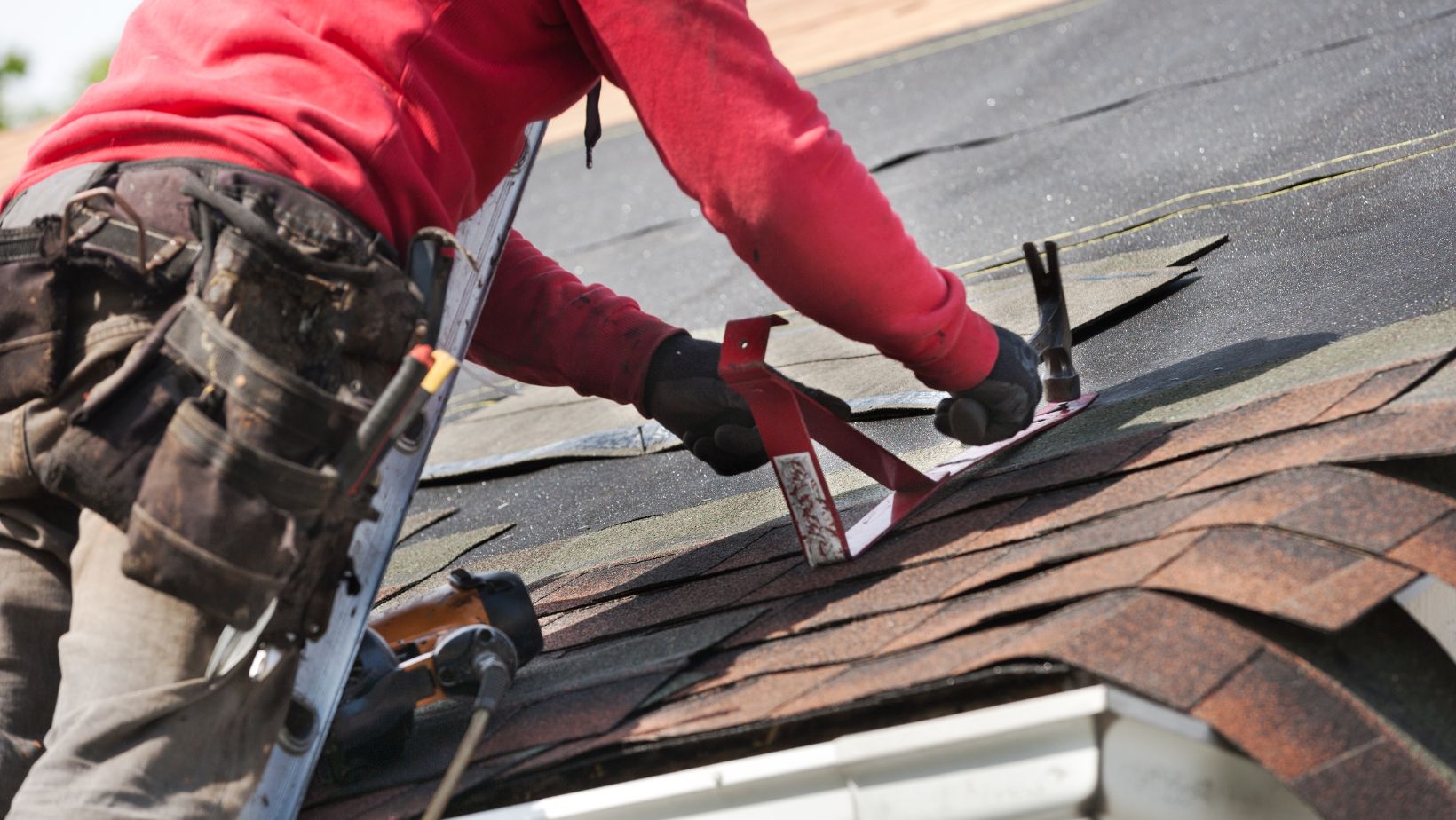
That’s why assessing age should always be paired with a close look at the roof’s overall condition before deciding between a repair and a full replacement.
Assessing the Extent of Damage
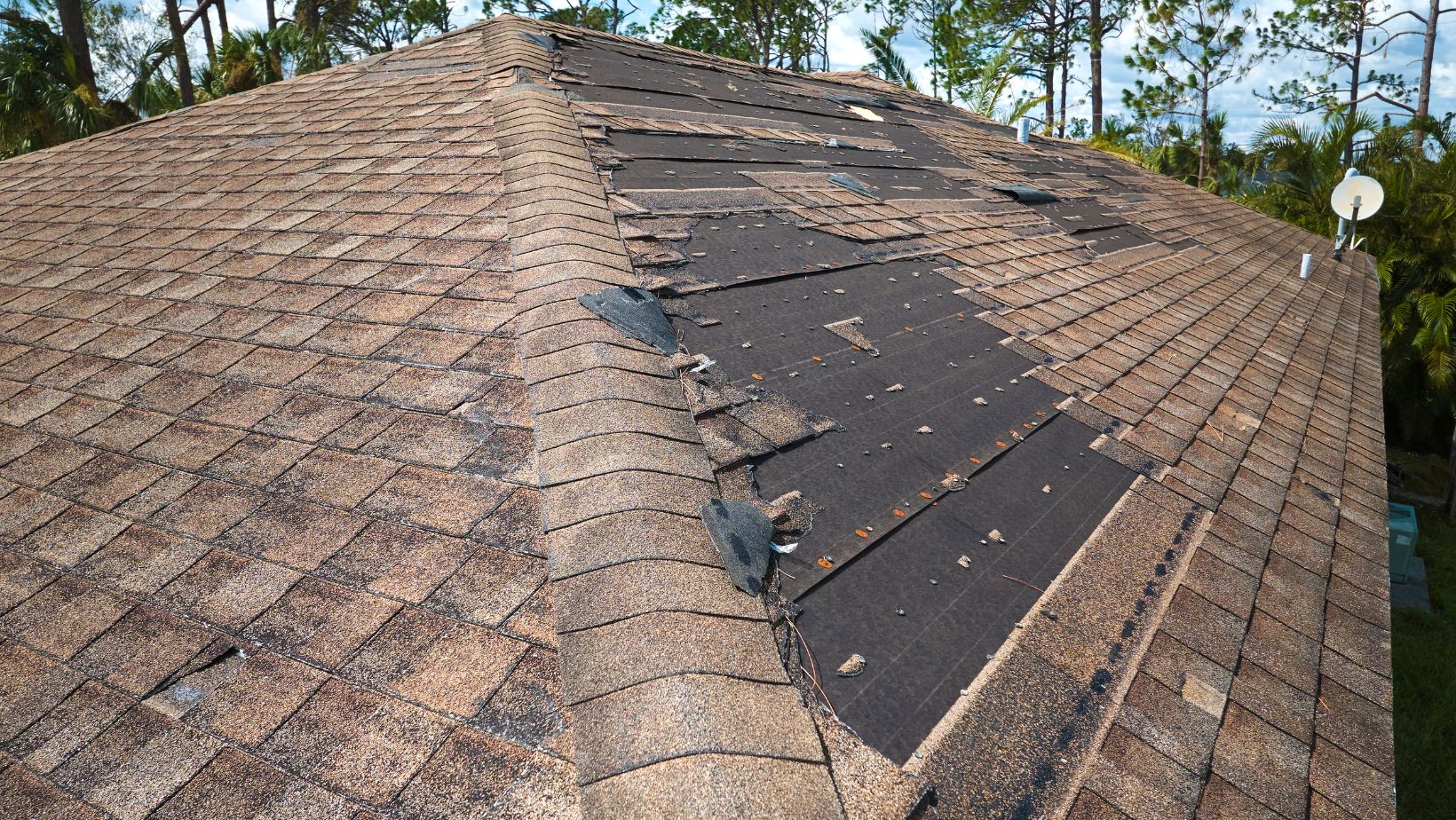
The severity and spread of damage play a significant role in deciding whether your roof should be repaired or completely replaced. Small issues like a handful of missing shingles due to wind or a minor leak caused by flashing failure are usually repairable without much hassle. These localized problems can often be fixed quickly and affordably by replacing the damaged components without disturbing the rest of the roof. However, a repair might only be a temporary solution if the damage is spread across several sections or includes large patches of missing or cracked shingles. In some cases, roofs with multiple leaks indicate a deeper issue, such as damaged underlayment or widespread moisture intrusion, which are signs that replacement could be the more responsible choice. When assessing damage, it’s also essential to consider what caused it. If a recent storm has left tree limbs on the roof or scattered debris has caused punctures, you’ll want to inspect the surface and the supporting layers underneath.
Moisture that makes its way into the roof deck can weaken structural integrity and lead to rot. If caught early, this might only require replacing a few boards and installing new shingles in that area. But if the wood has been saturated for an extended period, the risk of mold, mildew, and deeper decay rises, often requiring a complete overhaul of that section or the entire roof. Another factor to weigh is how frequently these issues are occurring. If you’ve had to make several repairs in the past few years and are now facing new problems again, a pattern is emerging that may point toward a failing roof system overall. Constant maintenance may cost more in the long run than simply opting for a complete replacement. Regular inspections, especially after significant weather events, are key to identifying whether a repair is enough or if a replacement should be considered before further damage occurs.
Energy Efficiency and Home Value Considerations
While structural damage is usually the primary driver behind roof replacement decisions, energy efficiency, and property value also play significant roles. An aging or damaged roof may not insulate your home effectively, leading to higher heating and cooling costs.
Poor ventilation or gaps in the roofing system can let warm air escape in the winter or extraordinary air leaks during the summer, forcing your HVAC system to work harder. If you’ve noticed a steady increase in your energy bills and suspect your roof may be the cause, it’s worth having it inspected to evaluate whether a repair can fix the issue or if a new roof would be more efficient in the long term. Many modern roofing materials offer better insulation and solar reflectivity than older ones. Some homeowners also choose to replace their roofs when upgrading to solar panels, as having a new, stable base ensures the panels remain secure and efficient for decades.
Replacing your roof can boost your home’s resale value. A new roof provides peace of mind to buyers, who know they won’t have to worry about leaks or repairs for many years. On the other hand, a home with an old or visibly deteriorating roof may sit on the market longer or fetch lower offers. Not every energy concern or cosmetic flaw means it’s time for a full replacement. If your attic has proper insulation and the roof is still structurally in good shape, adding a vent, improving sealing, or replacing a few worn-out shingles may solve the problem. This is especially true if you’re not planning to sell anytime soon and want to make targeted improvements that extend your roof’s life without a complete overhaul.
Choosing between repairing and replacing a roof involves more than just spotting a leak or seeing a few shingles on the ground. It requires an evaluation of the roof’s age, damage extent, and the entire system’s performance. Understanding the signs and weighing short-term repairs against long-term solutions helps homeowners make informed decisions protecting their property and finances. Whether fixing a minor issue now or planning a full replacement, the key lies in acting early and paying attention to what your roof is trying to tell you.