
Table of Contents
ToggleFoundation repairs and basement waterproofing systems are among the most expensive projects a homeowner will ever face. What makes them particularly frustrating is that they’re often the final chapter of a story that started at the roofline. The good news is that the warning signs of gutter trouble appear well before damage reaches the foundation. Knowing where to look and when to look gives homeowners a real opportunity to intervene early, at a fraction of the cost of structural remediation.
Contents
Start at the Roofline: Inspect Twice a Year
The most effective time to inspect gutters is in late spring and in late November or early December, after deciduous trees have fully dropped their leaves. These two windows correspond to the highest debris accumulation periods for most St. Louis area homes and represent the moments when a clogged or failing gutter will cause the most damage going into the wetter, colder months ahead.
During each inspection, look for sections of gutter that are visibly sagging or pulling away from the fascia. Check that downspouts are firmly connected at every joint. Look for any standing water remaining in the trough days after the last rainfall. This is a clear indicator that the slope has been lost or a blockage is preventing drainage. And look closely at the fascia board itself for any softening, darkening, or paint failure that signals moisture has been penetrating behind the gutter.
Watch Your Downspouts and Where They Discharge
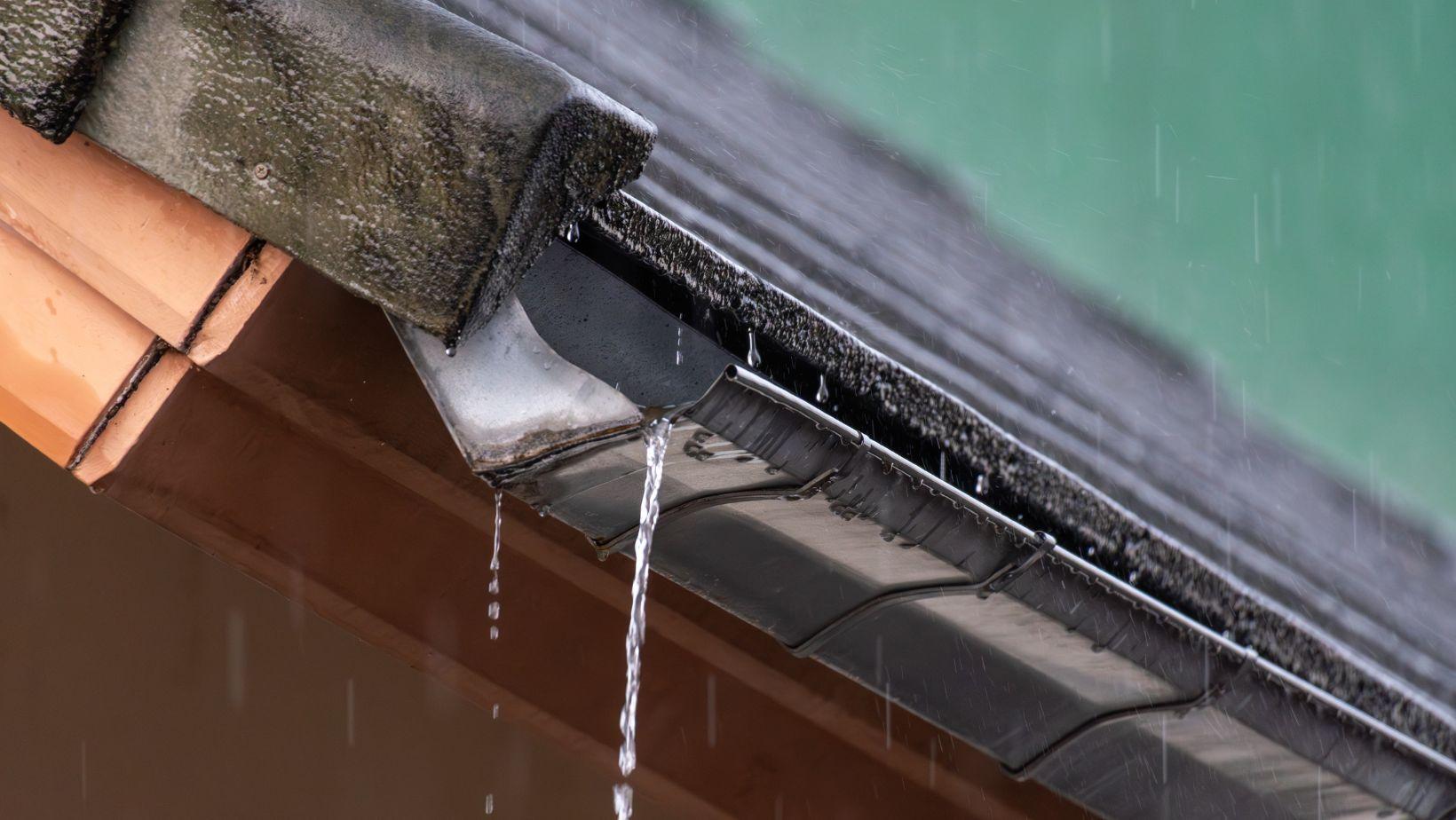
Downspouts are the exit point for everything the gutters collect, and they’re one of the most overlooked components of the drainage system. A downspout that is clogged, disconnected at a seam, or discharging water within two feet of the foundation is quietly directing that water exactly where it will cause the most harm.
After a moderate rainstorm, check each downspout to confirm water is flowing freely from the outlet. If flow seems weak or absent during active rain, the downspout is likely blocked. Check the discharge point, if water is pooling within a few feet of the foundation rather than being carried away, a downspout extension or splash block redirect is needed immediately. Extensions that carry water at least four to six feet from the foundation are a minimum standard; further is better.
Read the Ground Around Your Foundation
The soil and landscaping immediately adjacent to the foundation tell an honest story about what the drainage system has been doing. Bare, compacted soil where mulch used to be indicates repeated water impact from overflow above. Erosion channels running toward the foundation rather than away from it signal that water is consistently concentrating near the base of the home. Small depressions or low spots that collect water after rain are areas where the grade has settled toward the foundation.
Any of these ground-level signs warrant a closer look at the gutters above them. The damage pattern on the ground almost always points directly to the section of gutter that is failing.
Check the Basement After Every Major Rain Event
Before gutter failure reaches the visible structural stage, the basement will often provide early signals that drainage isn’t being managed properly at the surface. After any rainstorm delivering more than half an inch of precipitation, check the basement perimeter walls and floor for any sign of moisture, seepage, or efflorescence that wasn’t there before. A damp spot on a basement wall after heavy rain is a surface drainage problem that is expressing itself in the basement. Catching it at this stage means the solution is almost certainly above ground, not below it.
When to Call a Professional
Some of what a homeowner finds during a careful inspection is manageable through cleaning or minor adjustment. But when multiple warning signs appear together, the situation calls for a professional assessment. At that stage, the question isn’t just whether the gutters need cleaning; it’s whether the entire drainage system is configured correctly for the home.