
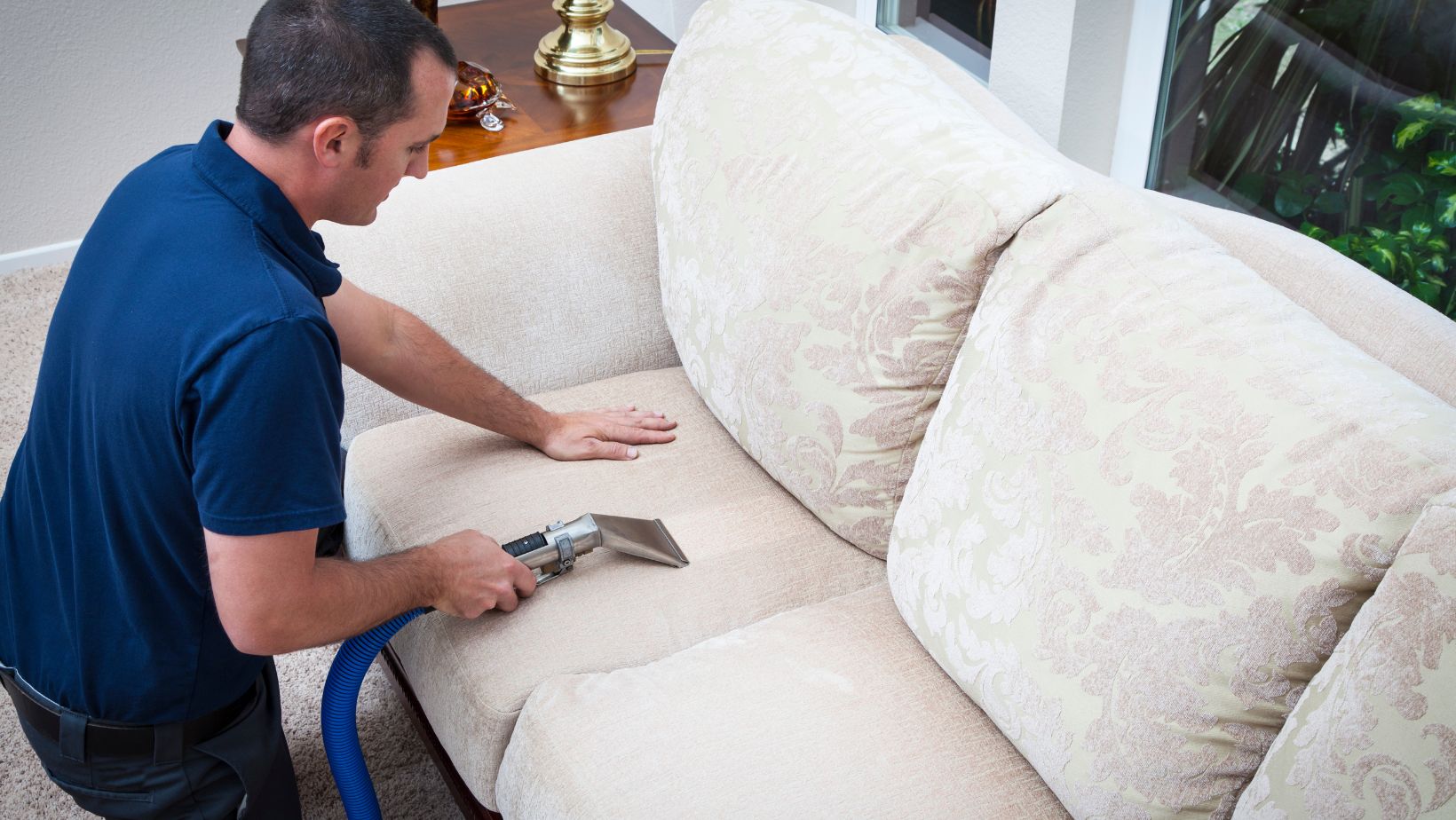
A sofa collects more activity than we often realize. It holds morning routines, quiet evenings, family gatherings, and the small spills that come with daily life. Because it is used so often, keeping it clean without damaging the fabric becomes important. With the right approach, you can refresh your sofa safely and protect the material for years. Here is a simple and gentle guide to help you care for it.
Know Your Sofa Fabric First
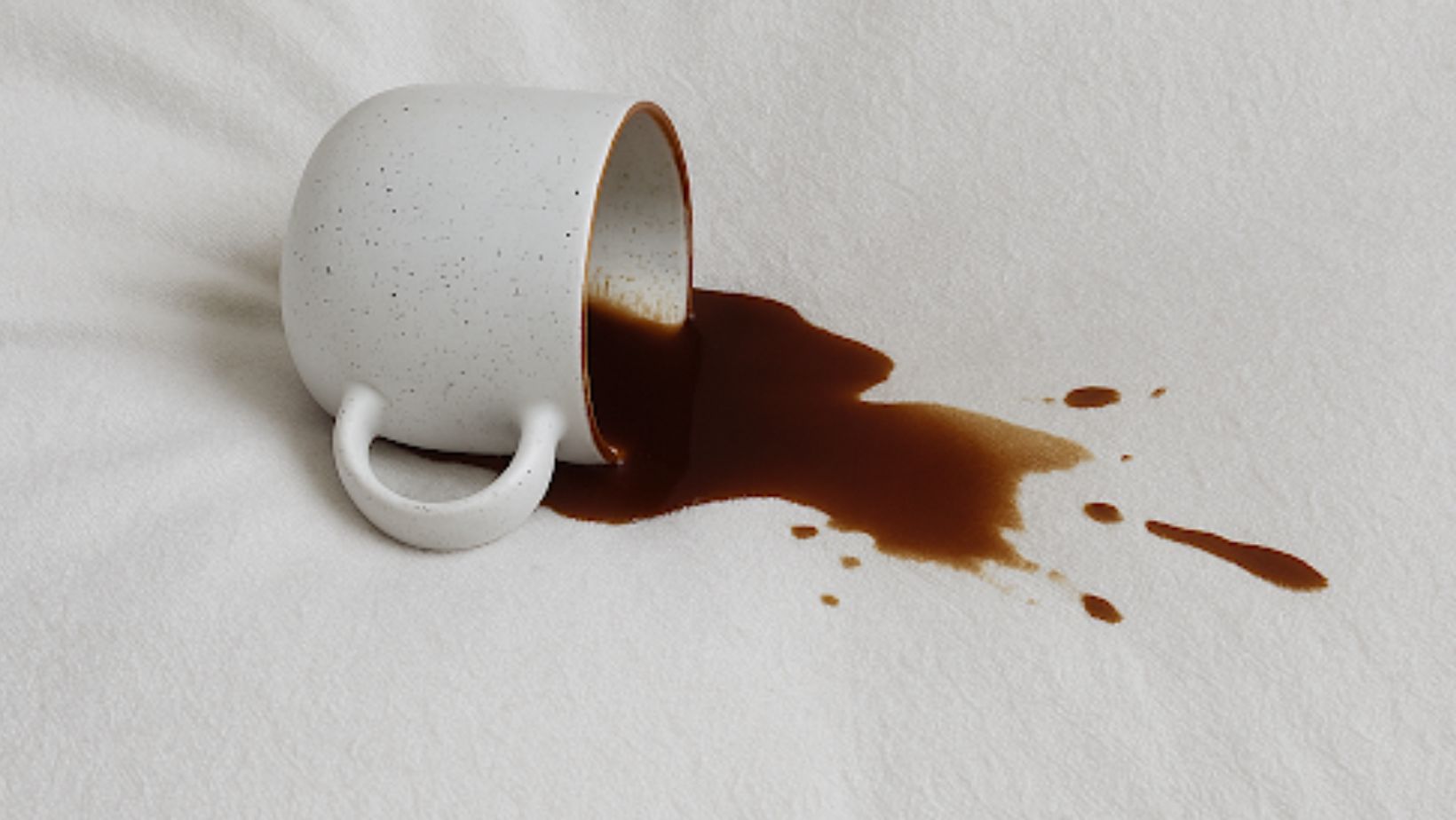
Understanding your sofa’s fabric is the starting point for safe cleaning. Linen, cotton, polyester, microfiber, velvet, and performance fabrics all react differently to moisture and cleaning solutions. Some modern sofas use removable covers made from fabrics designed for regular washing. These designs make upkeep easier, especially in busy homes.
Start With a Gentle Vacuum
Before any deeper cleaning, begin with a simple vacuum. Use a soft brush attachment to lift dust, crumbs, and pet hair from the surface. Vacuuming clears the fabric so stains do not spread once moisture is applied. Gentle passes are enough. There is no need for heavy pressure.
Spot Cleaning the Safe Way

Spot cleaning is often the safest method for everyday marks. Always blot the stain with a clean cloth instead of rubbing it. Rubbing pushes the stain deeper into the fibers. Test any cleaner in a hidden area first. If the fabric reacts well, continue slowly on the visible spot. The goal is to lift the stain without disturbing the weave or texture.
Cleaning Water-Safe Fabrics
If your sofa is labeled W or WS, it can handle water-based cleaning. Mix a small amount of mild detergent with cold water and use a cloth to blot the surface gently. Avoid soaking the fabric. Too much moisture can create rings or slow drying.
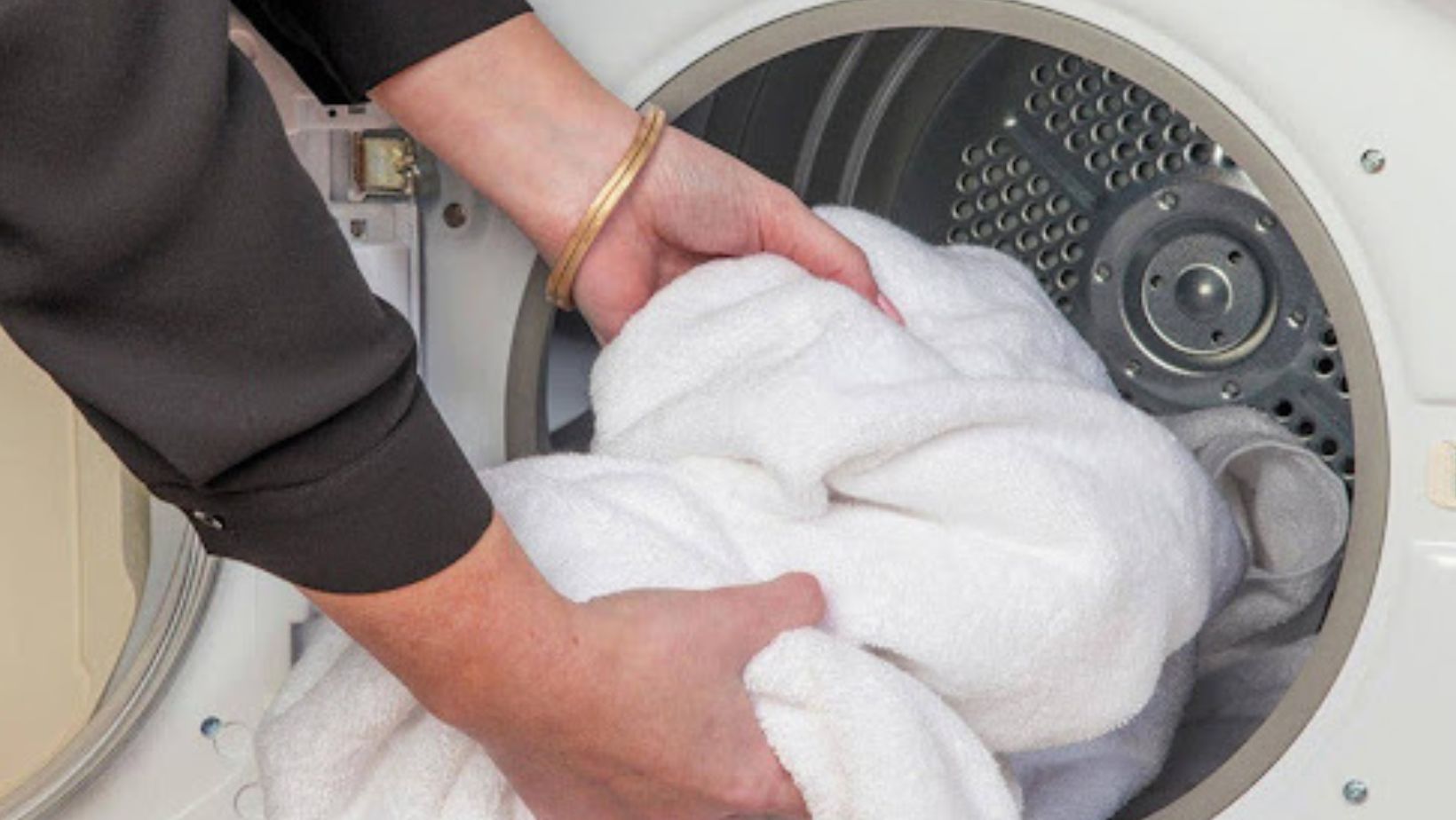
Some sofas also include removable, machine-washable covers. This makes cleaning more practical, especially when only one section needs attention. A modular design like the Sofatica’s Washable Cloud Couch allows you to remove and wash specific covers without disrupting the entire sofa. This keeps the fabric in good shape while making upkeep easier.
Cleaning Solvent-Safe Fabrics
For sofas labeled S, water can cause stains or texture changes. These fabrics require a dry-cleaning solvent instead. Work in a well-ventilated area and use small amounts of solvent to blot the stain. Solvent-safe fabrics often include linen blends or delicate textures that need slow, careful attention.
Handling Delicate Fabrics Like Velvet or Linen
Velvet and linen require extra patience. Velvet benefits from light brushing after cleaning to lift the fibers and restore the surface. Linen absorbs moisture quickly, so only a small amount of water should be used. Polyester blends tend to be easier. They handle gentle moisture well and dry faster.
The key is respecting the fabric’s natural structure. Delicate materials respond best to slow, minimal treatment.
Lift Odors Without Damaging the Sofa
If your sofa holds lingering odors, you can refresh it without harsh chemicals. Sprinkle a small amount of baking soda across the surface and let it sit for 15 to 20 minutes. Vacuum it away afterward. Fresh air also helps. Open windows and let the room breathe. Avoid heavy perfumes. They settle into the fibers and can make the sofa harder to clean later.
Deep Cleaning Without Risk
Deep cleaning is helpful when the entire sofa needs a refresh, but it should be approached with care. Steam works well for some fabrics but can damage others, especially materials sensitive to heat. Always check the care label before using steam.
If your cushions have removable covers, wash only what the label allows. Dry them completely before putting them back to avoid stretching or mildew. If the cushions themselves need cleaning, spot treat them gently and allow plenty of airflow for drying.
Mistakes to Avoid
A few simple cautions can protect your sofa:
- Avoid hot water. It can shrink fabric.
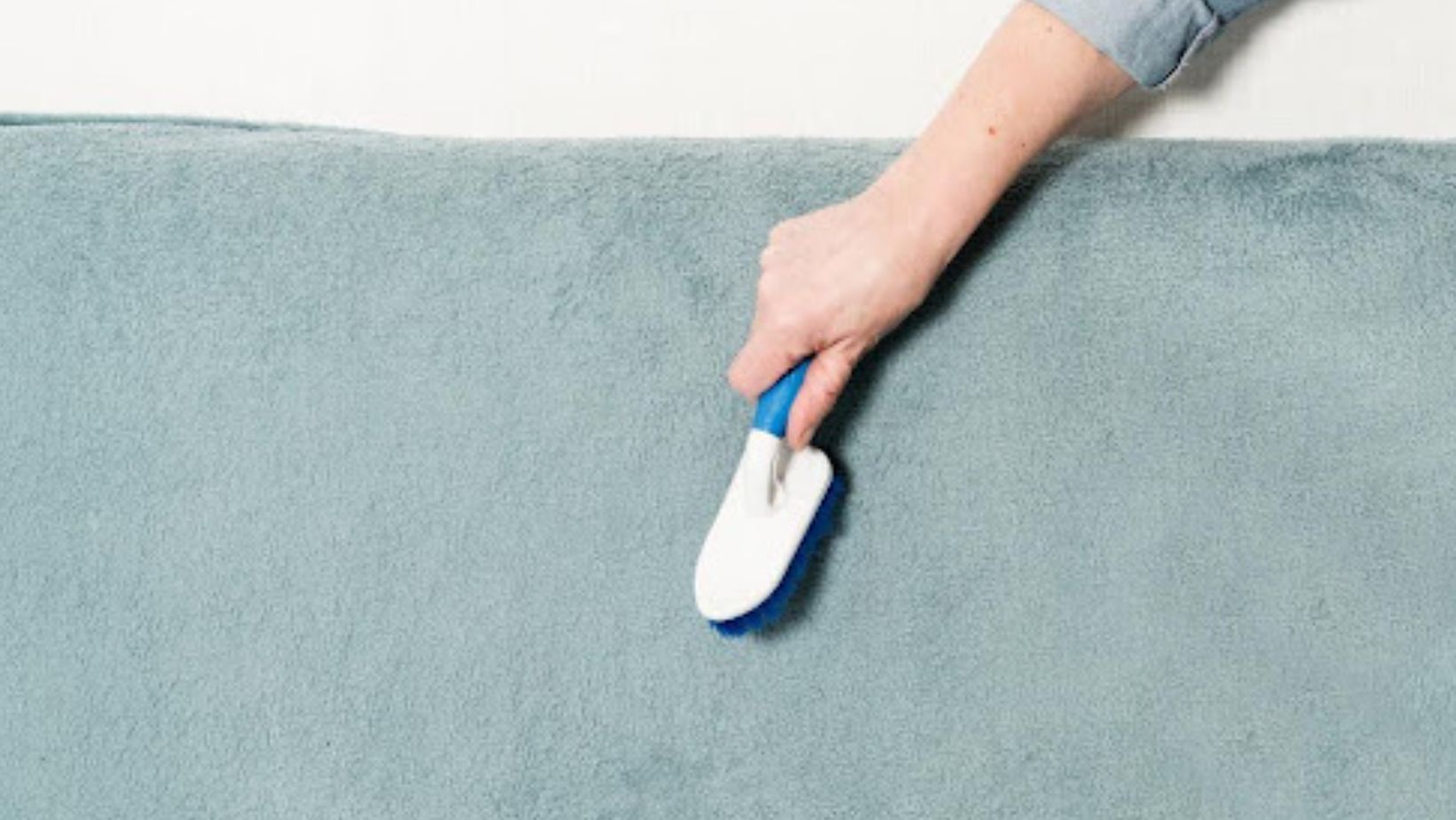
- Avoid harsh scrubbing. It damages fibers.
- Never oversaturate the fabric. It can warp the cushion beneath.
- Do not use strong chemicals unless the care label allows it.
Small mistakes can create long-term wear, so a gentle approach is always safer.
When to Call a Professional
Some situations call for expert care. Large stains, unknown fabrics, antique sofas, and smoke or water damage are often best handled by a professional cleaning service. Professionals have tools that protect both the fabric and the filling, especially when the sofa holds sentimental or financial value.
Final Thoughts
Cleaning a sofa does not need to feel overwhelming. With gentle methods and an understanding of how your fabric responds to moisture and cleaners, you can keep your sofa fresh without risking damage. Regular care protects the material and helps the sofa look inviting through daily life. A little attention goes a long way, and simple habits make the biggest difference.