Every year it catches parents off guard…
One week everyone’s fine. The next, half the class is out, your kid has a fever, and you’re calling in sick to work for the third time this month.
Sound familiar?
Here’s the good news: flu season runs on a fairly predictable schedule. Which means you can actually prepare for it instead of just reacting when it hits.
Here’s the deal:
A little prep in early autumn does three things:
- Gets protection in place before germs start circulating
- Builds habits that stick once school gets busy
- Saves you scrambling at the pharmacy at 9pm
What’s inside this guide:
- Understand When Flu Season Typically Starts
- Schedule the Annual Flu Vaccine Early
- Build Immune-Supporting Habits Before Season Hits
- Stock Up on Flu-Fighting Essentials at Home
- Teach Kids Proper Hand-Washing and Hygiene
- Keep Sleep Schedules Consistent
- Load Up on Immune-Boosting Foods and Nutrients
- How To Boost Immunity on The Go
Understand When Flu Season Typically Starts
Flu doesn’t arrive randomly. It follows a pattern.
In the US, flu activity usually begins picking up in October, peaks somewhere between December and February, and can run all the way through May. February is the most common peak month.
The CDC’s flu surveillance year officially kicks off around the first week of October.
Why does this matter for planning? Because the window to prepare is September and early October — before anything is circulating, not after your kid comes home sniffling.
One more thing most parents don’t know: you can catch flu twice in one season. Influenza A tends to move first, with influenza B often showing up later and spreading heavily in schools. Getting through December unscathed doesn’t mean you’re clear.
Schedule the Annual Flu Vaccine Early
This is the single biggest item on the list, so book it first.
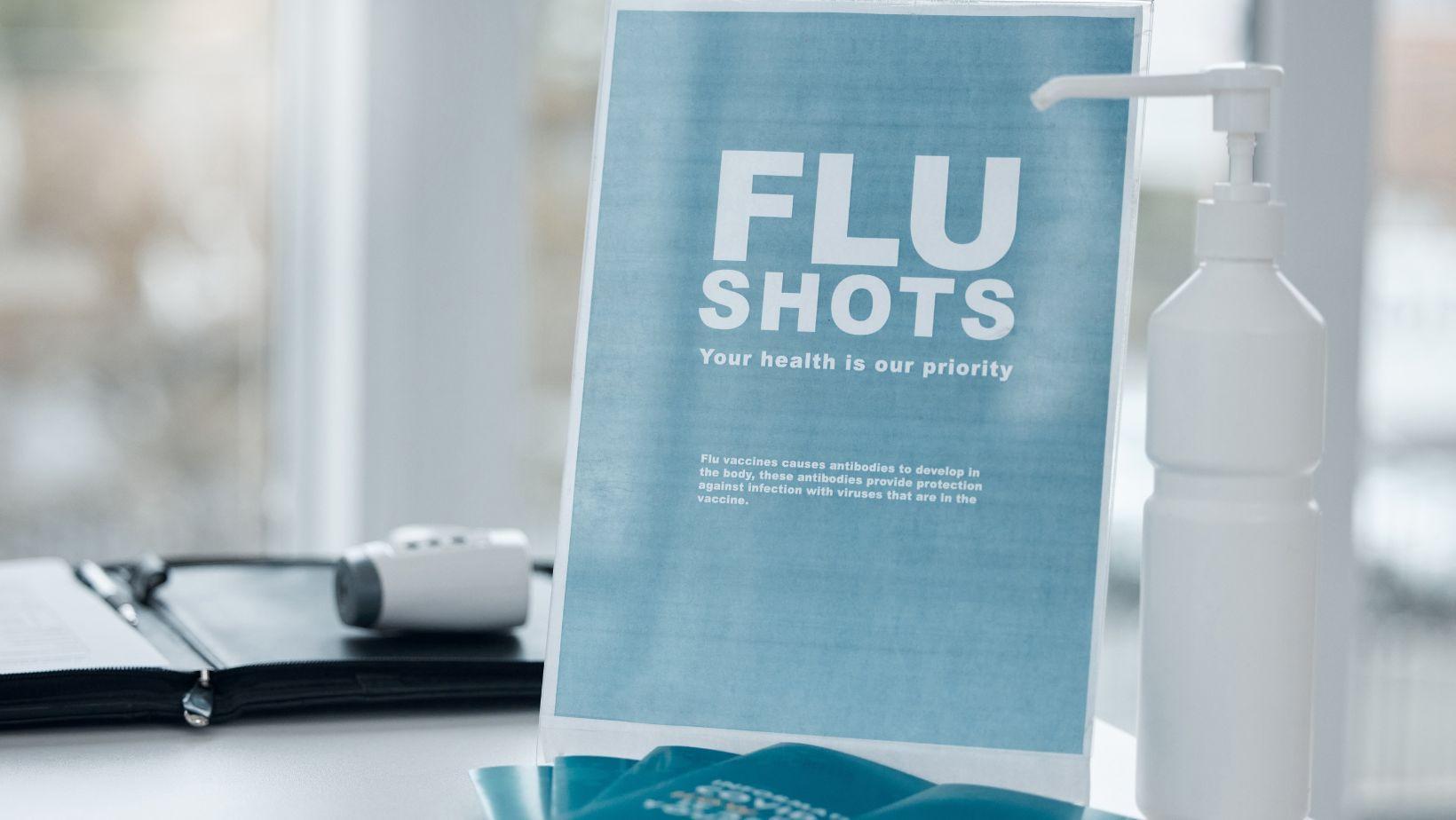
The CDC recommends a yearly flu vaccine for everyone 6 months and older, ideally by the end of October. September and October are the sweet spot.
Why the deadline? Your body needs about two weeks after the shot to build up antibodies. Get vaccinated in mid-November and you’re unprotected during the first stretch of the season.
Important for younger kids: children aged 6 months through 8 years who are getting a flu vaccine for the first time need two doses, spaced at least four weeks apart. The CDC says to get that first dose as soon as vaccine is available — even in July or August — so the second one lands in time.
Miss the October window? Still go. Flu circulates through winter and into spring, so a shot in November, December, or even January still protects during the months that matter most.
Tip: Book the appointment for the whole family in one slot. Fewer trips, fewer excuses.
Build Immune-Supporting Habits Before Season Hits
Habits take a few weeks to actually stick. Start them in September, not December.
The basics that genuinely matter:
- Regular meals instead of grazing on snacks
- Daily movement — outdoor play counts
- Consistent bedtimes, including weekends
- Water over sugary drinks
None of this is exciting. But routines built before the season are the ones that survive it. Try introducing new habits in the middle of a busy December and they’ll last about four days.
Stock Up on Flu-Fighting Essentials at Home
Nothing worse than realising at 2am that you’re out of children’s fever medicine.
Get these in the cupboard before you need them:
- Children’s fever and pain relief (check dosing for your child’s weight)
- A working digital thermometer, plus spare batteries
- Tissues, more than you think
- Hand soap and alcohol-based sanitiser (at least 60% alcohol)
- Disinfecting wipes for door handles and light switches
- Electrolyte drinks or ice pops for fluids
- Simple foods that survive a bad appetite — broth, crackers, applesauce
Tip: Check expiry dates on medicine you already own. Most families have a half-used bottle from two seasons ago that expired last spring.
Worth knowing: the flu virus can survive on a door handle for up to 24 hours. Wiping down high-touch surfaces isn’t paranoia during flu season.
Teach Kids Proper Hand-Washing and Hygiene
Hand-washing sounds too simple to matter. The data says otherwise.
According to the CDC, hand-washing education in a community reduces respiratory illnesses like colds by 16–21%, and cuts school absenteeism from stomach bugs by 29–57%. Soap and water protects roughly one in five young children from respiratory infections.
The technique matters more than kids realise:
- Wet, lather, scrub, rinse, dry
- Scrub for at least 20 seconds
- Get between fingers, backs of hands, and under fingernails
- Wash before eating, after the toilet, and after coughing or sneezing
Tip: Twenty seconds is roughly the ABCs, or “Happy Birthday” sung twice. Kids actually do it properly when there’s a song attached.
Also teach the sneeze: into the elbow, never the hands. And hands away from eyes, nose, and mouth — which is genuinely the hardest habit of the lot.
Keep Sleep Schedules Consistent
Sleep is where a lot of families quietly lose ground.
Standard pediatric guidance suggests:
- Ages 3–5: 10–13 hours (including naps)
- Ages 6–12: 9–12 hours
- Ages 13–18: 8–10 hours
Sleep is when the body does most of its repair work, so an under-slept kid heading into flu season is starting at a disadvantage.
The tricky part is consistency, not the total. Late nights on weekends followed by early school alarms creates a rolling deficit that never quite gets repaid.
If your child is already sick, let them sleep more. Extra rest during illness isn’t laziness — it’s the body doing its job.
Load Up on Immune-Boosting Foods and Nutrients
No food prevents flu. But a well-fed kid handles illness better than a poorly-fed one.
The nutrients that come up most often:
- Vitamin C — oranges, strawberries, bell peppers, broccoli
- Vitamin D — harder to get in winter, found in eggs and oily fish
- Zinc — beef, beans, pumpkin seeds, yoghurt
- Iron — lean meat, lentils, fortified cereals
Tip: Pair iron-rich foods with something high in vitamin C. Orange slices next to a lentil dish genuinely helps the body absorb more iron.
For picky eaters, don’t fight for the perfect dinner. Sneak these into snacks instead. A smoothie, apple slices with peanut butter, cheese and crackers — all count.
How To Boost Immunity on The Go
Autumn schedules get chaotic fast. School runs, sports, after-school clubs, dark evenings.
That’s when routines fall apart.
A few things that survive a busy week:
- Keep a water bottle in every school bag
- Stash sanitiser in the car and the backpack
- Prep grab-and-go snacks on Sunday
- Keep a spare set of essentials in the car
For families topping up nutrients like vitamin D or zinc during winter, easy daily supplement formats tend to survive busy schedules better than anything requiring effort at 7am. Consistency beats perfection here – a supplement only helps if it’s actually taken.
Check with your pediatrician before adding anything new, especially for younger children.
Flu season is predictable. Your prep should be too.
To quickly recap:
- Book flu vaccines for September or early October
- Remember first-timers under 9 need two doses, four weeks apart
- Build sleep and hygiene routines before the season starts
- Stock medicine, thermometer, and tissues in advance
- Teach the full 20-second hand-wash, song included
- Feed them well, and keep the routine simple enough to survive December
Your kids will still catch something. That’s school.
But there’s a big difference between a household that’s ready and one that isn’t.
Prepare early. Panic less.