Table of Contents
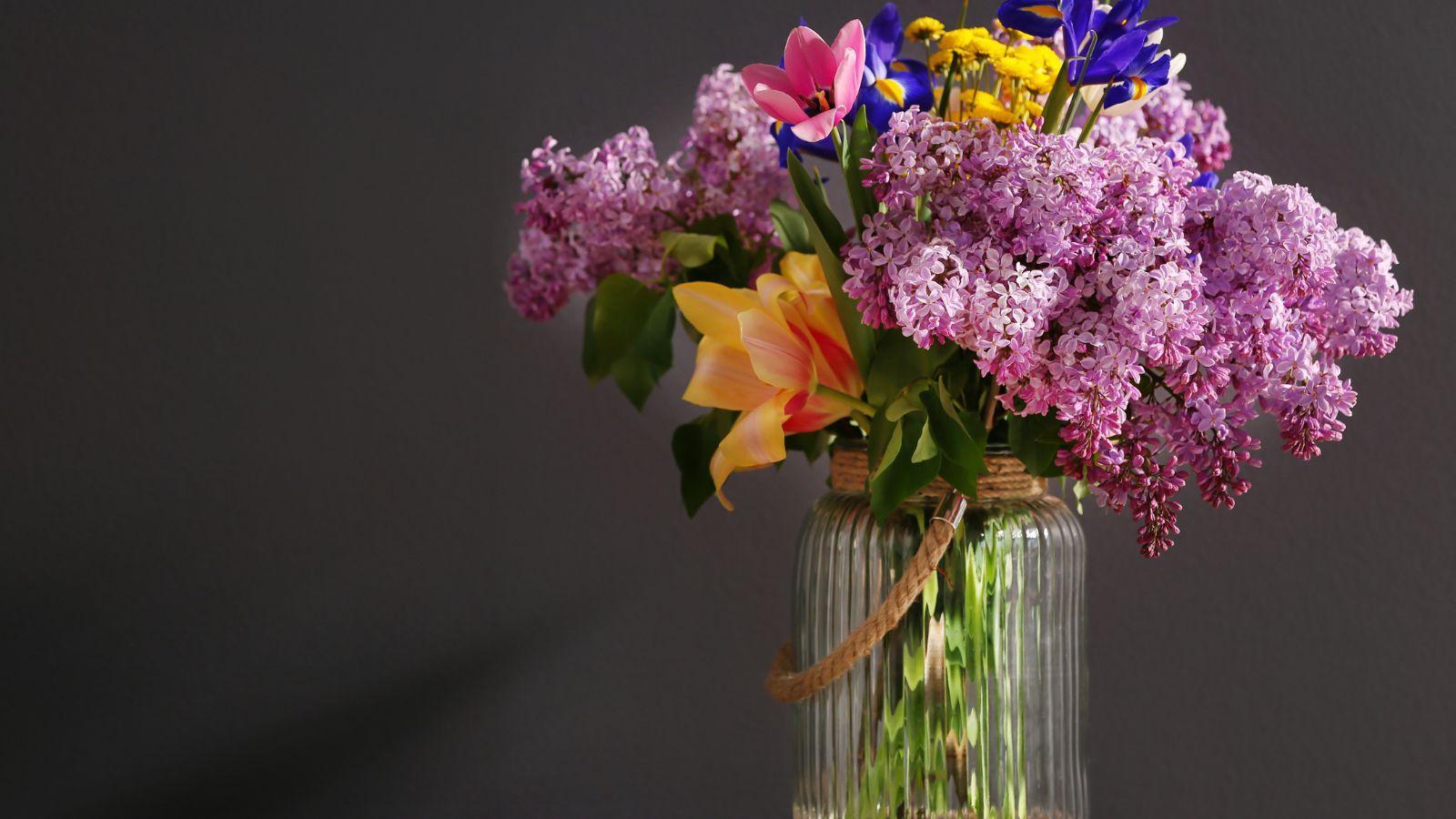
ToggleThere’s something lovely about having fresh flowers in the house, they brighten up a room, soften all those hard edges and just make a space feel a bit more lived-in and welcoming. Maybe someone gave them to you, maybe you picked them up on a whim at the shop, or perhaps they arrived through a flower subscription. Whatever the source, a bit of care goes a long way. Really, it comes down to three things: a clean vase, fresh water, and keeping them away from anything that’ll hasten their demise.
Contents
Start With a Properly Clean Vase
This one gets overlooked more than you’d think. Even a vase that looks spotless can be harbouring bacteria, dust or leftover gunk from the last bunch of flowers you put in it, and that stuff builds up in the water and makes it harder for stems to drink properly.
Give the vase a good wash with warm water and washing-up liquid before you put anything in it. If it’s got a narrow neck or an awkward shape, a bottle brush is your friend, and don’t forget to get right into the bottom and sides. Rinse well afterwards so there’s no soapy residue left behind.
For trickier vases, try filling them with warm soapy water and letting them soak for a bit, that helps loosen anything stubborn. Once it’s clean, let it dry or give it a quick rinse with fresh water right before you start arranging.
Trim the Stems First
Stems can dry out a fair bit on their journey to you, so trimming them before they go into water helps them take up moisture much more effectively.
Grab something sharp, scissors, secateurs, a knife, whatever you’ve got, and cut off two or three centimetres from each stem. Cut at an angle, not straight across, since that gives a bigger surface for water to get in and stops the stem sitting flat against the bottom of the vase. Blunt scissors can crush the stem instead of cutting it cleanly, which makes it harder for water to get through, so try to avoid those. Woody stems, like lilac or blossom branches, tend to do better with secateurs.
It’s worth trimming again every few days too, especially once the ends start looking discoloured or a bit mushy.
Strip Off Any Leaves Below the Waterline
Before you arrange everything, have a look for leaves that’ll end up sitting under the water, take those off. Leaves left under the surface rot fairly quickly, which clouds the water and gives bacteria something to feast on.
You don’t need to strip the whole stem bare, leaves above the waterline are fine and actually add a bit of texture to the arrangement. Just focus on what’s going to be submerged. Worth checking again each time you top up or change the water, since leaves have a habit of slipping down as you move things around.
Give Them Fresh, Cool Water
Fill the vase with cool or room-temperature water, no need for anything icy or warm, that just adds unnecessary stress to the stems.
You want enough water to cover a good chunk of the stem, but not so much that it touches any remaining leaves. Softer stems generally prefer a bit less water, while thicker, woodier ones can handle more. If you’ve been given flower food, follow the instructions on the sachet rather than guessing, too much or too little can throw things off. And it’s best to steer clear of home remedies like sugar, bleach, aspirin or lemonade, since getting the amounts wrong can do more harm than good.
Change the Water Often
Swap the water out every couple of days, or sooner if it starts looking murky. Fresh water keeps bacteria down and gives the stems something cleaner to drink.
When you do it, take the flowers out carefully, lay them somewhere clean, rinse out the vase properly and refill with fresh water. It’s a good moment to trim the stems again and pick off any leaves that have seen better days. If lifting the flowers out feels risky, you can just pour the old water away and refill around them, though a proper clean now and then is still worth doing.
Think About Where You Put Them
Position makes a bigger difference than people expect. A sunny spot might seem ideal, but direct sunlight will dry flowers out and wilt them faster than almost anything else.
Go for somewhere cool with indirect light instead, well away from radiators, fireplaces and draughty spots. Windowsills can get surprisingly hot during the day even if the room feels cool, so watch out for those. Avoid air-conditioning vents and doorways too, sudden shifts in temperature aren’t kind to flowers.
Keep Them Away From Fruit
A fruit bowl next to a vase of flowers might look nice, but they’re not great companions. Ripening fruit gives off ethylene gas, which speeds up ageing in a lot of flowers. Apples, bananas, pears, peaches and avocados are some of the worst offenders. If you can, keep flowers on a different surface entirely, this matters especially in kitchens, where fruit bowls and vases tend to end up side by side.
Take Out Fading Blooms
Flowers in the same bunch rarely age at the same pace. Once a few start looking tired, pull them out, it keeps the rest looking fresher and means less decaying matter sitting near the water. Have a look every day for petals that are bruised, stems that have gone soft, or any hint of mould, and don’t be afraid to remove damaged outer petals individually. As the bunch gets smaller, moving what’s left into a shorter vase can help it look fuller rather than sparse.
Be Gentle With Delicate Flowers
Some blooms bruise if you so much as look at them wrong, so try not to fuss with the petals too much, hold flowers by the stem and move the vase carefully. Pollen’s another thing to watch, especially with lilies, which are notorious for staining. If you want to remove the anthers before the pollen fully develops, do it carefully so you don’t brush pollen onto the petals. And if pollen does land on clothing or fabric, don’t rub it, that just pushes it in further. Lift it off gently with sticky tape or a shake first, then deal with any remaining mark as you normally would.
Keep It Simple
None of this needs to be complicated. A clean vase, freshly cut stems, regular water changes and a sensible spot in the room will do most of the work. Just take a minute each day to check in, top up the water, remove anything past its best, and look out for leaves that have slipped under the surface. Do that consistently, and your flowers will reward you by sticking around a good while longer.