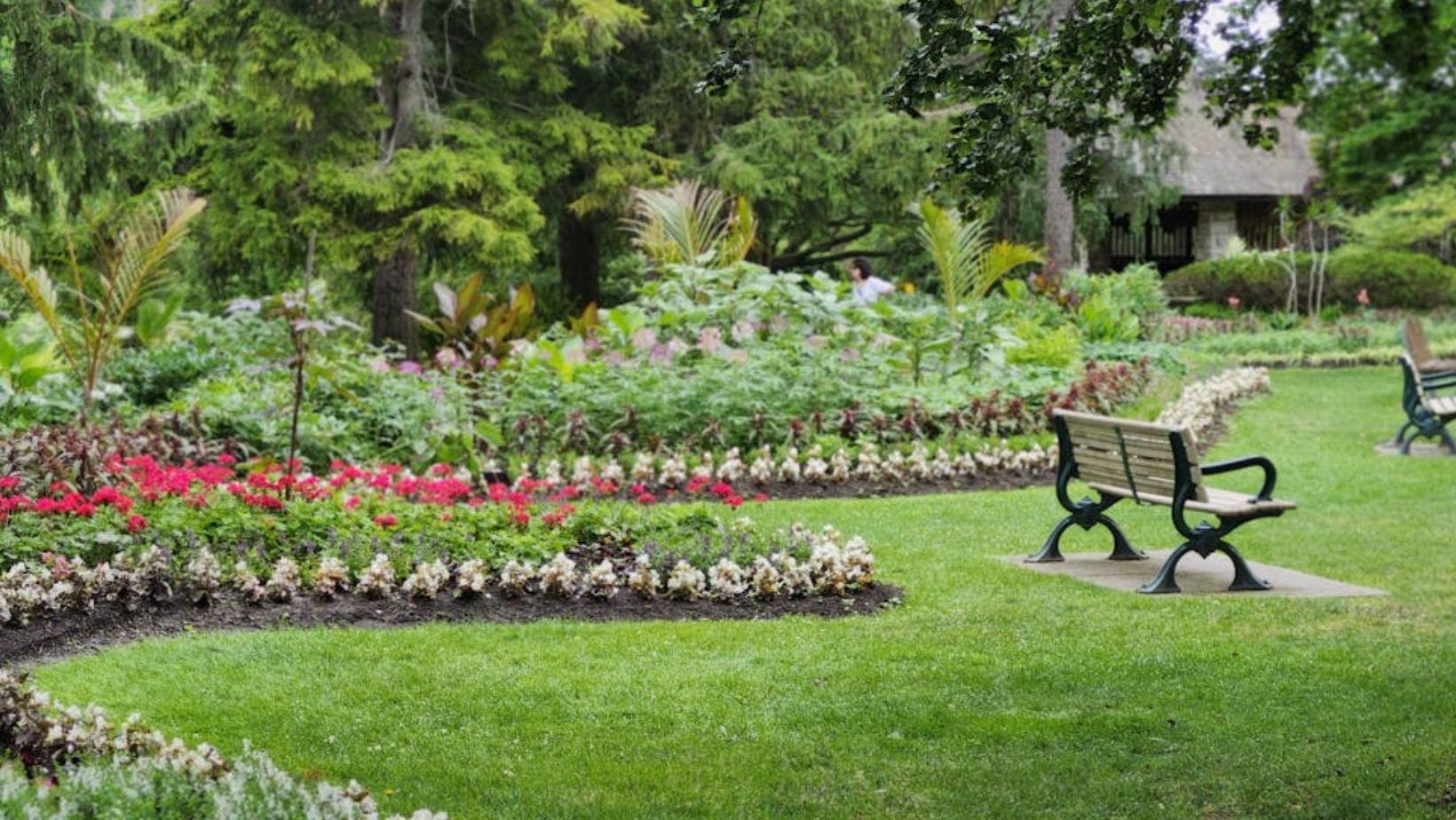
Developing a dynamic landscape is not merely a process of planting a series of beautiful specimens. The real genius lies in the strategic layering. With thoughtful placement of plants and hardscape at different heights, a flat, plain yard becomes textured and spacious. The result reflects the layered beauty found in nature. Here’s how to achieve this.
Create a Structural Framework
The structural elements in your landscape form the most profound layer of the landscape. It involves canopy trees, large shrubs, and architectural components such as pergolas or fences. These set the overall height and framework of the space. Such elements provide the backdrop against which the remaining layers are viewed, providing a sense of permanence and scale. It is their placement that is critical in framing the views and determining the mature height of your garden.
This foundational layer becomes the backdrop for the entire design and thus is the first consideration in the landscaping process. You can build outwards once these anchoring points have been placed, ensuring the subsequent plantings complement and don’t compete with the primary structure. The idea is to have this skeleton cohesive so that it creates interest throughout the year; as a result, your garden will remain vibrant during each of the seasons.
Incorporate a Mid-Layer for Texture and Flow
The mid-layer is located between the front of the border and the structural backdrop. It is crucial for creating visual flow and volume. This level typically features decorative grasses, medium-sized bushes, and perennials, providing lush foliage and seasonal color. The diverse leaf sizes, shapes, and colors add movement and complexity to the space. It successfully eases the transition from the towering background features to the garden’s border.

When creating this layer, emphasize the placement of plants in clusters or recruiting groups to guide the eye seamlessly throughout the area. Juxtapose plants with fine textures against those with broad leaves to boost visual appeal. This intermediate layer serves as the link in your design, adding fullness and texture while providing a smooth and gradual reduction in height from the back of the border to the front.
Define the Foreground and Ground Planes
The last layer includes compact plants and groundcovers, which define the foreground and floor of the landscape. This layer comprises sprawling perennials, compact shrubs, and plants that carpet the soil surface. These elements help finish and polish the layer by providing cover for bare earth, creating a transition between planted beds and pathways or lawns, which grounds the entire design.
This layer is where minute details and complex textures are most noticeable to the observer. Adding moss and creeping thyme softens the edges. Groundcover sedum brings a final touch of sophistication. These elements complete the illusion of a deep, multi-dimensional landscape. This unifies the entire composition, ensuring that the eye moves smoothly from the highest canopy down to the soil.
Endnote
The mastery of layering gives a landscape a sense of immersion and thoughtful composition. The division of the garden into structured tiers brings vertical depth and intrigue. It allows the eye to travel from tall structural elements to mid-level textures and to the detailed foreground. This lets the landscape tell a visual story that shifts with the seasons.
To bring that same layered effect to life after sunset, working with a landscape lighting installer can help you place lights strategically—highlighting tall features, adding mid-level glow to planting beds, and creating soft foreground illumination that makes the entire space feel intentional and complete.