Small dining spaces often come with big challenges — tight walkways, limited seating, and the constant struggle between style and practicality. But with a bit of planning and the right design choices, even the smallest area can become the heart of your home. Whether you’re living in an apartment or simply working with an awkward layout, it’s possible to create a space that’s both beautiful and functional. Start by choosing furniture that’s made for compact living — like a round table, a wall-mounted bench, or options from places like https://lifely.com.au/collections/dining-tables, where space-savvy designs meet style.
Choose the Right Table Shape
One of the most important decisions you’ll make is the shape of your table. Round tables tend to work better in tight quarters because they create better flow and take up less visual space. They’re also great for conversation and can seat more people without bulky corners getting in the way. If your dining space is narrow or pushed against a wall, consider an oval or drop-leaf table that can expand when guests come over but shrink down when not in use.
Be Smart About Seating
Chairs with arms or heavy, bulky frames can overwhelm a small area. Instead, choose slim, armless chairs that are easy to tuck away when not needed. Benches are also a great option — they can be pushed under the table completely to free up walking room. If you have an unused wall, think about installing a built-in bench or banquette with storage underneath. Not only does this add seating, but it also helps with clutter.
Go Vertical for Storage
In compact dining rooms, wall space is just as valuable as floor space. Consider adding floating shelves, narrow wall-mounted cabinets, or even a stylish pegboard to keep essentials within reach without crowding the table. Store plates, glasses, and serving ware in attractive baskets or containers so they double as décor. You could also hang hooks for mugs, tea towels, or wine glasses to keep your surfaces clear and usable.
Stick to a Light Colour Palette
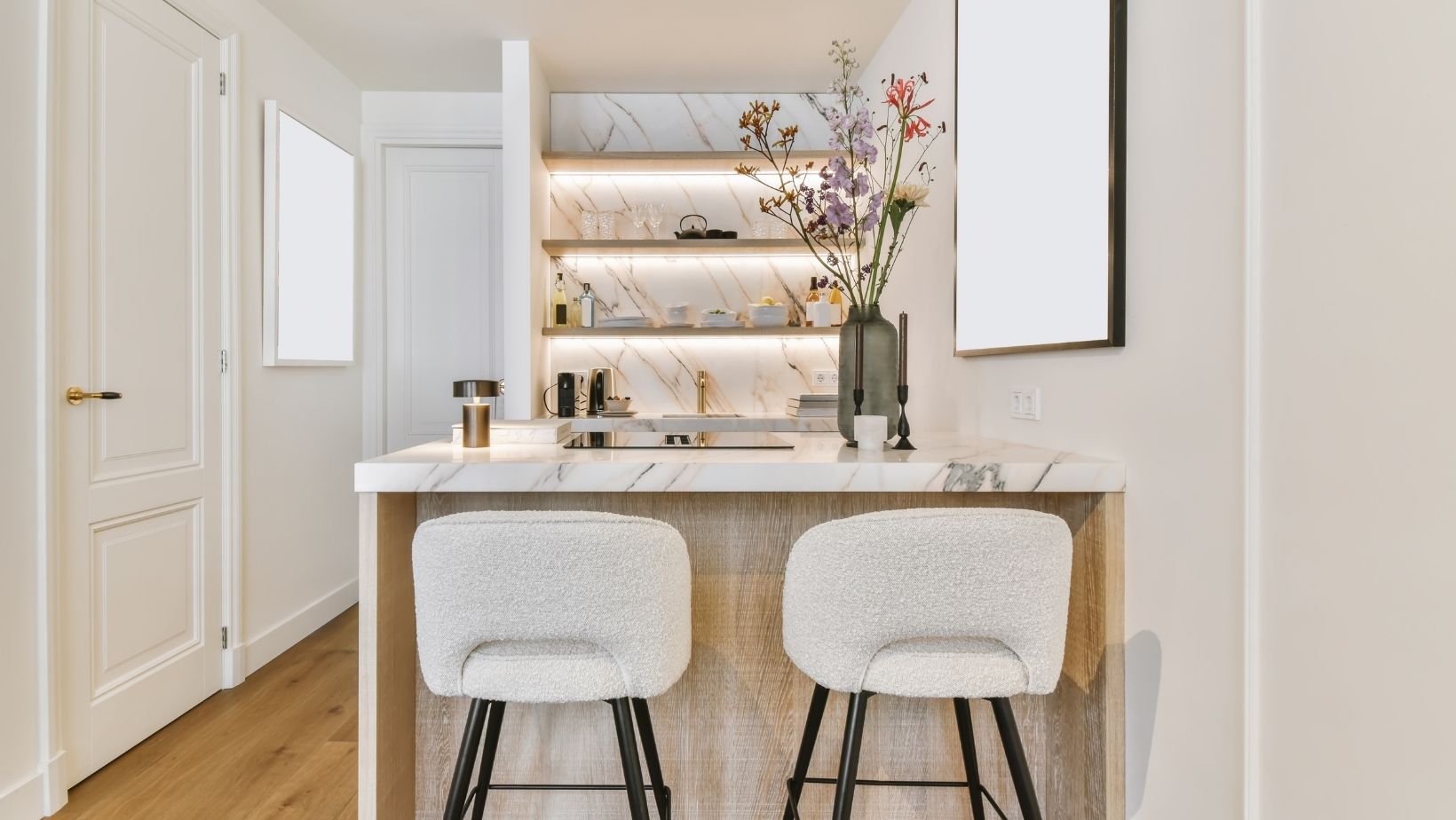
Lighter colours tend to open up a space visually and make it feel airier. Soft neutrals, pale woods, and subtle textures help reflect light and prevent the room from feeling cramped. You don’t need to go all white — soft greys, muted blues, and earthy tones can all work beautifully. Try to keep the furniture, walls, and flooring in a similar tonal range to avoid visual chopping and create a more seamless flow.
Use Mirrors to Expand the Room
Mirrors are a classic small-space trick for a reason — they reflect light and create the illusion of more room. A large mirror placed on one wall can instantly make a tiny dining nook feel more open. You can also try mirrored panels, furniture with reflective surfaces, or even glossy finishes to bounce light around and reduce that boxed-in feeling.
Define the Area Without Overcrowding
In an open-plan home, it’s easy for the dining area to feel like an afterthought. Define it using a small area rug, pendant lighting, or a piece of artwork. These visual cues help the space feel intentional without taking up precious square footage. Just make sure any accessories or décor don’t interrupt foot traffic or make the room feel cluttered.
Think Multifunctional
When space is limited, every item needs to earn its place. Look for multifunctional pieces — like benches with hidden storage, fold-out tables, or sideboards that double as serving stations or workspaces. A small bar cart can be wheeled in for hosting or moved aside when not needed. This kind of flexibility helps your dining space adapt to everyday life as well as special occasions.
Keep It Clutter-Free
Even a stylish dining room can feel chaotic if it’s packed with too many things. Be intentional about what stays in the space. Clear surfaces after each meal, keep decorative items minimal, and regularly review what’s in your storage areas. Small spaces benefit from regular editing — it keeps the area fresh and makes everyday use easier.
Don’t Sacrifice Personality
Maximising a small dining area doesn’t mean you need to strip it of charm. A statement light fixture, a bold artwork, or a few vibrant cushions can bring personality to the room without taking up space. Choose accents that make you smile and reflect your style — just aim for quality over quantity.
A small dining space doesn’t need to feel like a limitation. With a thoughtful approach to layout, furniture, and styling, it can become one of the most inviting and practical corners of your home — proof that size doesn’t have to compromise comfort or beauty.