Have you ever looked at a room and felt something was missing, or maybe something felt out of place, even after buying nice furniture?
Many people feel this when furniture does not match the room size or daily life needs. Picking furniture is not about filling space; it is about making daily life comfortable, smooth, and happy.
With a little planning and clear thinking, anyone can choose furniture that feels just right for their home and routine.
Understand Your Space First
Before buying anything, it helps to slow down and look at your home properly. Every room has its own mood, size, and use. Some rooms feel open and airy, some feel cozy and close. When furniture matches the room, life feels easy and relaxed.
Take a moment to notice how people move in the room, where sunlight comes in, and where doors and windows are placed. This small observation helps a lot while choosing furniture.
Measure and Visualize the Room
After understanding the room, measuring the space becomes very helpful. A simple tape measure can save you from many adjustments later. Measure the length, width, and height of the room. Also, measure doorways so moving furniture inside feels smooth.
Try to imagine where each item will sit. You can even mark spots on the floor using paper or chalk. This simple habit helps you see if the room will feel open and comfortable after placing furniture.
Keep Daily Movement Comfortable
Furniture should support easy walking and sitting. Leave enough space to move freely. When furniture allows easy movement, the room feels calm and welcoming. Open space also helps the room feel brighter and fresher.
Match Furniture With Your Daily Life
Furniture should fit your routine like a good pair of slippers. It should support how you sit, rest, work, and relax every day. Think about how much time you spend in each room and what you do there.
Think About How You Use the Room
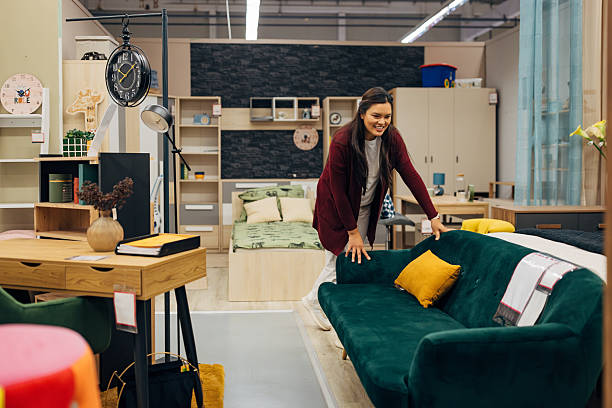
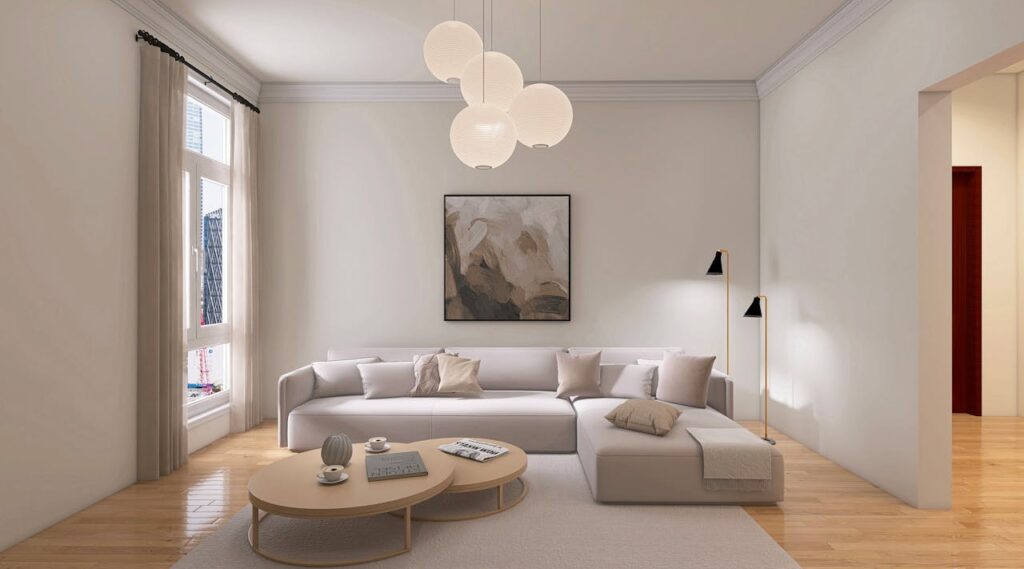
Some rooms are for rest, some for work, some for family time. When furniture matches the purpose of the room, daily life feels smooth. For example, a living room often needs relaxed seating and open space for talking and spending time together.
A couch should feel comfortable for sitting for long hours, chatting, or watching shows. The size should match the room so it does not feel crowded. Soft cushions and easy seating help everyone feel at home.
Choose Comfort That Feels Natural
Comfort is very personal. Some people like firm seating, some like soft seats. Try to choose furniture that feels good when you sit or lie down. When comfort matches your body and habits, furniture becomes a part of daily happiness.
Pick the Right Size and Shape
Size and shape matter more than style. Even the most stylish item feels odd if it does not fit the room.
Balance Big and Small Items
A room feels pleasant when big and small furniture items balance each other. Large items give structure, while smaller items add ease and movement. Try to keep this balance so the room feels open and welcoming.
Shapes That Flow With the Room
Rooms with sharp corners look nice with furniture that has gentle curves. Rooms with straight lines look neat with clean, simple shapes. When shapes match the room, everything feels connected.
Focus on Materials and Feel
Furniture is touched every day, so the feel of the material matters a lot. The right material makes furniture pleasant to use and easy to maintain.
Choose Materials That Feel Good Daily
Wood, fabric, and smooth finishes feel warm and friendly. Pick materials that suit your climate and daily routine. When furniture feels good to touch, it adds comfort to daily life.
Easy Care for Daily Use
Furniture that is easy to clean and maintain feels relaxing. When care feels simple, furniture stays fresh and welcoming for a long time.
Storage That Keeps Life Simple
Good storage helps keep the home neat and peaceful. When everything has a place, the mind feels light.
Smart Storage for Daily Items
Storage furniture helps manage daily things like clothes, books, and small items. A dresser helps keep clothes folded and easy to find. When storage is well planned, rooms feel open and tidy.
Keep Storage Within Reach
Storage should be easy to access. When daily items are within reach, routine feels smooth and stress-free.
Choose a style that feels like home
Style is about comfort and personal taste. Furniture should reflect who you are and how you live.
Keep Colors Calm and Friendly
Soft and warm colors help rooms feel peaceful. Natural shades blend well with different rooms and lighting. When colors feel calm, the home feels restful.
Simple Designs Feel Timeless
Simple designs feel easy on the eyes and fit well in different spaces. When furniture looks simple and neat, it feels comfortable for daily living.
Furniture Placement Matters
How furniture is placed changes how a room feels. Good placement makes the room feel open and welcoming.
Arrange for Easy Talk and Relaxing Time
Furniture should support conversation and comfort. Seating placed close but not crowded feels friendly. Open spaces help the room feel relaxed.
Let Light Flow Freely
Natural light adds freshness to a room. Place furniture so light can move freely. Bright rooms feel happy and lively.
Multi-Use Furniture for Modern Living
Homes today often need flexible furniture that supports many activities.
Furniture That Supports Many Tasks
A table can be used for meals, work, and casual chats. Choosing the right size and height makes it useful for different moments in the day. When furniture supports many tasks, it adds value to daily life.
Keep It Simple and Practical
Furniture that feels simple and practical fits easily into a daily routine. When furniture works well, life feels smooth.
Plan Before You Buy
Planning helps you make thoughtful choices. It saves time and effort.
Make a Simple Furniture List
Write down what the room truly needs. This helps avoid clutter and keeps the room balanced.
Think Long Term Comfort
Furniture stays with you for years. Choosing items that feel comfortable and useful every day brings lasting happiness.
A Simple Comparison for an Easy Choice
Below is a simple table to help understand how furniture choices can match space and daily life.
| Room Type | Focus Area | Furniture Feel |
| Living Room | Relax and talk | Comfortable seating and open space |
| Bedroom | Rest and storage | Calm bed and useful dresser |
| Dining Area | Meals and work | Balanced table and easy seating |
Bring a Human Touch to Your Home
Furniture is not just wood or fabric. It becomes part of daily stories, family talks, and quiet moments. When furniture matches space and lifestyle, the home feels warm and welcoming.
Listen to Your Own Comfort
Everyone’s comfort feels different. Trust what feels right to you. When furniture feels good, it naturally fits your life.
Enjoy the Process
Choosing furniture can feel joyful when done calmly. Take time, think clearly, and enjoy creating a space that feels like home.
Picking furniture that fits your space and lifestyle is about balance, comfort, and thoughtful choices. When furniture supports daily life and matches the room, the home feels peaceful, functional, and full of warmth.