
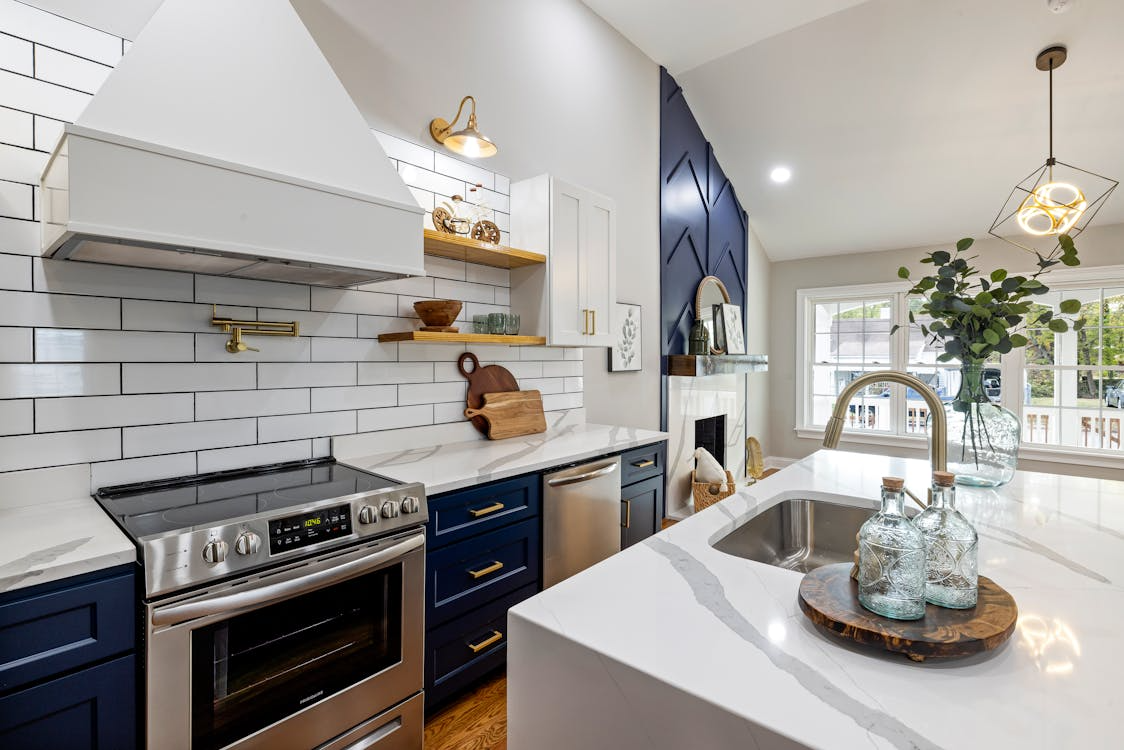
A kitchen budget can look solid on paper and still fall apart in week two. It happens when numbers are guesses, not decisions. It also happens when “nice to have” items sneak into the plan after the design is locked. The fix is not a bigger loan, but a clearer scope, tighter allowances, and a simple process for change. Here’s how to build a kitchen budget that holds up under real quotes.
1. Start with a scope list before you price anything
Before you chase showroom pricing, get clear on what you are actually doing. Use this guide on planning a kitchen build project as your starting framework, then write a simple scope list, including cabinets, counters, flooring, lighting, plumbing, paint, and any layout changes.
Be sure to also add a few yes or no notes on things like “reuse appliances,” “keep the sink location,” or “add an island”. This keeps contractor bids comparable. It also stops scope creep; small add-ons can quietly blow up your budget.
2. Build your budget from three buckets: materials, labor, and risk
Most homeowners will price finishes first, then hope labor fits. You should flip it instead. Ask for rough labor estimates early, then choose materials that fit what is left. Keep three buckets: materials, labor, and risk. “Risk” covers things you cannot see yet, like subfloor repair, venting updates, or water damage. It also gives you an easy way to adjust if a quote comes in high. If you treat the risk bucket as real money from day one, it will not feel like a surprise later.
3. Use real-world allowances
Allowances are placeholders, and they can protect you or trick you. Set them using products you would actually buy. Pick a countertop type, a cabinet door style, a faucet tier, and a lighting category. Then research local pricing, including tax and delivery.
If you are unsure, go one level higher than your first guess. It is much better to budget a little high and spend less than to panic when the “affordable” faucet you picked suddenly is not available.

Some costs live outside the main contract. The most common ones include permits, dumpster or haul-away, protection for floors, appliance delivery, and trades coordination. You may also need temporary cooking solutions, as takeout can add up fast.
Be sure to ask every bidder what is excluded, then add a line in your spreadsheet for each exclusion. This turns vague risk into clear numbers, and it helps you compare quotes fairly.
5. Lock decisions early, then control changes tightly
Late changes cost more because they disrupt ordering and scheduling. Make your big choices early for the layout, cabinet sizes, appliance specifications, and plumbing locations. Be sure to also confirm lead times, especially for custom cabinets and specialty counters.
If you do change something, ask about the price in writing before you approve it. Keep a running total of approved changes and review it weekly. This one habit prevents the slow budget drift that surprises people at the end.
Endnote
A realistic budget is not the cheapest number you can imagine. It is the number that matches your plan, your home’s realities, and the level of finish you want to live with every day. Start with scope, fund labor properly, and reserve money for the unforeseeable. Decide early, document changes, and you will finish with a kitchen you love, and a final invoice you expected.