
Table of Contents
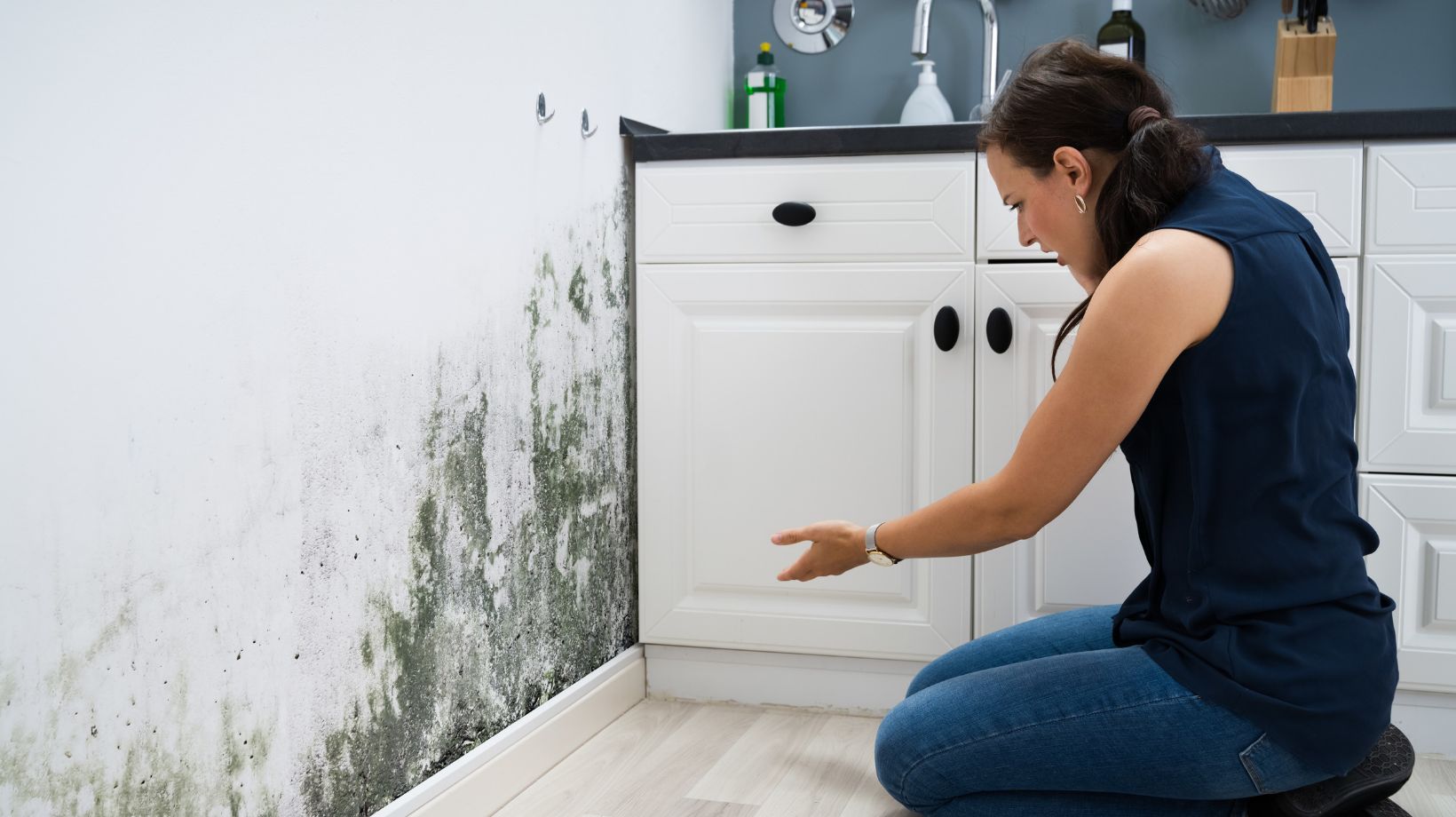
ToggleThere’s a particular sinking feeling that comes with spotting a dark, fuzzy patch creeping across a wall. You wipe it, you sniff that faint musty smell, and you realize the leak you thought you cleaned up left a souvenir behind. Mold on walls after water damage is one of the most common, and most misunderstood, problems a homeowner can face.
Here’s the good news. Handled correctly and quickly, wall mold is manageable. Handled with a quick wipe and a hopeful shrug, it tends to come back bigger. The difference comes down to understanding what you’re actually dealing with and knowing when a cloth and some cleaner will do versus when the wall needs real intervention. Let’s walk through it the right way.
Contents
Why Water Damage Leads to Mold So Fast
Mold is not picky. It needs three things to grow: moisture, a food source, and a little time. Water damage hands it all three on a silver platter.
Drywall is the perfect host. Its paper facing and gypsum core are organic enough to feed mold, and once they get wet, they hold moisture like a sponge. That’s why a leak behind a wall, a slow drip from a pipe, or a flooded room can turn into visible mold surprisingly quickly. In the right conditions, growth can begin within a day or two of the water exposure.
This is the part people underestimate. The water event itself feels like the emergency, so once things look dry, they relax. But the surface drying out doesn’t mean the wall cavity behind it is dry. Trapped moisture keeps feeding mold out of sight, which is how a small leak becomes a wall-sized problem weeks later.
How to Know If It’s Really Mold
Before you panic or grab the bleach, confirm what you’re looking at. A few clues help.
Mold usually appears as clustered spots in black, green, gray, or sometimes orange or white, and it often has a fuzzy or slightly raised texture. A musty, earthy smell is a strong giveaway, especially if it lingers in one area. Discoloration that spreads or returns after cleaning is another sign you’re dealing with living mold rather than a simple stain.
Not every dark mark is mold. Water stains, dust buildup, and old scuffs can look similar. The real test is behavior. A stain stays put and wipes away. Mold comes back, spreads, and carries that smell. If pressing the wall feels soft, spongy, or damp, that points to moisture still living inside, and where there’s trapped moisture, there’s usually mold.
When You Can Handle It Yourself
Let’s be practical. Not every speck of mold requires a professional crew. A small, surface-level patch on a non-porous or lightly affected area can often be cleaned safely by a careful homeowner.
If the spot is small, isolated, and the wall underneath still feels firm and dry, you can usually manage it yourself. Protect yourself first with gloves, a mask, and eye protection, because disturbing mold releases spores into the air. Ventilate the room. Clean the area with a suitable mold cleaner or a mild detergent solution, let it dry completely, and keep an eye on it over the following weeks.
Skip the myth that bleach is the magic fix for everything. On hard surfaces it can help, but on porous materials like drywall, it often treats the surface while the roots of the problem stay embedded in the material. Cleaning the face of the drywall does nothing for mold that has worked into the core.
And that brings us to the hard truth about when DIY stops being enough.
When It’s Time to Stop and Call a Professional
Some situations are not cleanup jobs. They’re removal and restoration jobs, and trying to handle them with a sponge only hides a growing hazard.
Call in the pros when the mold covers a large area, when it keeps returning after cleaning, or when the drywall feels soft, crumbling, or saturated. Those are signs the mold has penetrated the material, and no surface treatment will reach it. Porous drywall that has absorbed water and grown mold usually needs to be cut out and replaced rather than cleaned.
You should also bring in help if the water damage came from contaminated water, like a sewage backup or floodwater, or if anyone in the home has asthma, allergies, a weakened immune system, or unexplained respiratory symptoms. Mold affects indoor air quality, and a healthy home is about what you breathe as much as what you can see.
The real value of a professional here is what they do beyond the visible patch. They find the moisture source, check how far the damage spreads inside the wall, remove compromised material safely without scattering spores through your house, and rebuild the wall so it looks like the problem never happened. If you’re in the Denver area and the damage goes past a small surface spot, the team at A Pro Finish Drywall Denver handles water-damaged drywall from removal through a flawless, texture-matched finish, so your wall ends up clean, sound, and seamless. Wherever you live, that full-process approach is what separates a lasting fix from a temporary cover-up.
Fix the Source, Not Just the Symptom
Here’s the rule that saves homeowners the most heartache: mold is a symptom, and the moisture is the disease.
You can remove every visible trace of mold and it will march right back if the water keeps coming. Before you repair or repaint anything, make sure the actual source is fixed. That might mean a plumbing repair, sealing a leak, improving drainage, or addressing humidity in a room that never quite dries out. Only once the moisture is handled and the area is fully dry does it make sense to restore the wall.
Rushing this step is the single most common mistake. A beautiful new patch of drywall means nothing if it’s sitting on top of an unsolved leak.
Keeping Walls Mold-Free Going Forward
Once your walls are clean and dry, a little ongoing attention keeps them that way. Mold prevention is mostly moisture management.
Keep indoor humidity in check, especially in bathrooms, basements, and laundry areas, using exhaust fans and good airflow. Address leaks and spills quickly rather than letting them sit. Dry wet areas within a day or two whenever you can. And every so often, glance at the usual trouble spots, under sinks, around windows, behind appliances, and in corners that stay cool and damp, so you catch moisture before it becomes mold.
A pristine home isn’t just one that looks clean on the surface. It’s one that stays healthy underneath, in the places you don’t see every day.
The Bottom Line
Mold on walls after water damage is common, but it doesn’t have to be a disaster. Confirm what you’re dealing with, handle small surface spots carefully, and recognize the signs that call for a professional, soft or crumbling drywall, mold that keeps returning, large affected areas, or health concerns in the home.
Most importantly, fix the moisture first, then restore the wall properly so the problem stays gone. Treat the cause, not just the spot, and your walls will go back to doing their quiet job of keeping your home clean, sound, and comfortable, exactly the way they should.