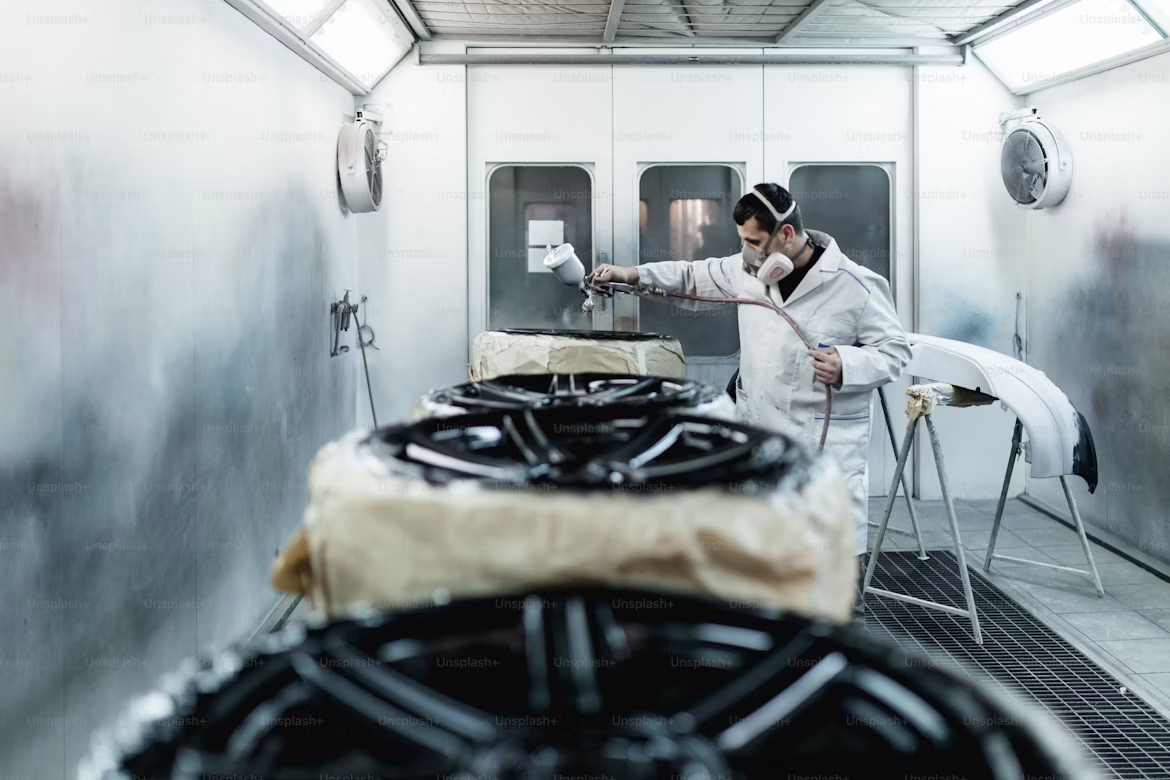
Anyone who has painted a car in a garage without proper airflow knows the frustration. Dust settles into a wet clear coat, fumes linger for hours, and the finish never quite matches what a body shop produces. The difference usually comes down to one thing: air movement. A paint booth with powerful blowers changes the entire experience, pulling contaminated air out and pushing filtered air in fast enough to keep overspray and dust away from your panels.
This matters more for DIY and small shop painters than most people realize. Professional booths at dealerships and collision centers rely on strong, continuous airflow to control temperature, remove solvent vapors, and settle dust before it lands on a fresh coat. A backyard setup with weak or no airflow simply can’t compete, no matter how careful the painter is with technique.
Why Airflow Determines Paint Quality
Paint doesn’t just sit on a surface and dry in place. As soon as it leaves the gun, overspray particles float in the air, and anything airborne in that space-dust, hair, insects, shop debris-has a chance to land on the wet surface. Strong blowers reduce that window of exposure by clearing the air multiple times per minute, so contaminants get pulled out before they can settle.
Airflow also controls fume buildup. Automotive paints and clear coats release solvents as they cure, and without ventilation those fumes concentrate quickly in an enclosed space. This isn’t just uncomfortable; it’s a safety issue that can affect breathing and even create flammability risks. A booth built with an air filter paint booth system addresses both problems at once, filtering incoming air and exhausting fumes in a controlled cycle.
How an Air Filter Paint Booth System Works
The basic setup uses two sides of airflow: intake and exhaust. Air comes in through filtered panels on one wall, gets pulled across the vehicle, and exits through another set of filters on the opposite side. This creates a directional airflow pattern known as cross-draft or downdraft, depending on the booth design. A paint booth with powerful blowers maintains this steady airflow, helping keep dust moving away from the paint job instead of settling on it.
Filters do double duty here. Intake filters strip dust and debris out of the air before it ever reaches the vehicle, while exhaust filters catch overspray particles before they’re released outside. Cheaper booths sometimes skip proper filtration or use thin, low-grade media that clogs fast and restricts airflow. A well-built air filter paint booth uses filters rated for the blower’s capacity, so airflow stays consistent even as the filters collect debris over a project. This is another reason many professionals prefer a paint booth with powerful blowers for consistent painting results.
What Makes Blowers “Powerful” in a Paint Booth
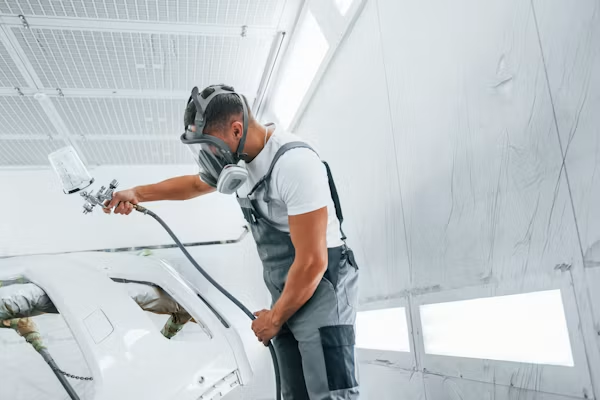
Blower strength isn’t just about a loud motor. It’s measured in cubic feet per minute (CFM), which tells you how much air the unit can move in a given time. A booth with two blowers rated for automotive-grade painting typically moves enough air to complete several full air exchanges per minute inside the tent, which is what actually keeps a booth clean and safe to work in.
Motor quality matters just as much as CFM rating. Blowers built for continuous duty use sealed bearings and heat-resistant windings so they can run for hours without overheating during a full respray. Cheaper fan motors tend to lose power output as they warm up, which quietly reduces airflow partway through a job without the painter noticing until dust problems show up on the finished panel.
Inflatable Paint Booths and Airflow Efficiency
Inflatable spray booths have become popular with home garages and small independent shops because they pack away when not in use and set up in a fraction of the time of a rigid structure. VEVOR’s line of inflatable paint booths pairs the portable, collapsible design with dual-blower systems designed to move enough air for full vehicle painting, not just touch-up work.
The soft-wall design actually helps airflow in one respect: it eliminates the sharp corners and dead zones that rigid booths sometimes create, where air movement slows and dust can settle. A properly inflated booth with strong blowers keeps a steady positive-pressure environment inside, which pushes air out through the exhaust filters rather than letting outside air leak in around seams. That pressure balance is part of why inflatable booths with the right blower setup can rival fixed structures for cleanliness.
Sizing a Booth for Full Vehicle Work
Painting a full-size vehicle needs more than a tent big enough to fit the car. Extra clearance around the vehicle allows the painter to walk the full perimeter, angle the gun properly at doors and pillars, and avoid brushing against wet panels while moving around. A 28x15x10ft footprint, like the size offered in VEVOR’s inflatable spray booth with two blowers, gives enough room for trucks, SUVs, and full-size sedans without cramping the workspace.
Booth height matters too, especially for lifted trucks or anyone planning to paint the roof properly. A 10-foot ceiling keeps overspray from bouncing back down off a low roof and lets the blower system circulate air freely above the vehicle instead of getting trapped in a tight pocket near the top of the tent.
Setting Up Blowers for Best Results
Placement affects performance as much as the blower’s rated output. Intake and exhaust blowers should sit on opposite ends of the booth so air has to travel the full length past the vehicle, picking up overspray and dust along the way instead of short-circuiting between two nearby vents. Positioning them too close together leaves dead air pockets where contaminants can settle undisturbed.
Filter maintenance keeps that airflow consistent over time. A clogged intake filter forces the blower motor to work harder while actually delivering less air, and a painter often won’t notice the drop until dust starts showing up in the finish. Checking filters before each project, and swapping them out once they look visibly loaded with debris, keeps the whole system performing the way it did on day one.
Common Mistakes That Reduce Airflow Performance
Running a booth with only one blower active, even when two are installed, cuts effective airflow roughly in half and defeats the purpose of a dual-blower design. Some painters do this to save on noise or electricity, not realizing it directly increases the chance of dust contamination and slower fume clearance.
Sealing gaps matter too. Zippers left partly open, tears in the material, or gaps around cable pass-throughs let unfiltered outside air leak in, which disrupts the pressure balance the blowers are trying to maintain. A booth that’s otherwise well-equipped can still produce a dusty finish if the enclosure itself isn’t sealed properly during the paint session.
Conclusion
A paint booth with powerful blowers does far more than improve convenience. It creates the airflow needed to reduce dust, remove overspray, and clear harmful fumes, helping you achieve a cleaner, more professional-looking finish. Whether you choose a permanent booth or an inflatable design, consistent airflow, quality filtration, and proper blower placement all play a major role in the final result.
Before making a purchase, compare blower capacity, filter quality, booth size, and overall build rather than focusing on price alone. Choosing a paint booth with powerful blowers that matches your workspace and the size of your projects will improve paint quality, reduce rework, and make every painting job safer and more efficient.
FAQs
How many blowers does a paint booth actually need?
Most booths built for full vehicle painting use two blowers, one for intake and one for exhaust, working together to create directional airflow across the vehicle. A single blower can work for very small booths or touch-up tents, but full-size vehicles need the paired setup to keep air moving fast enough to control dust and fumes.
Can I use a paint booth in a garage without extra ventilation?
An inflatable or portable booth with its own blower and filter system is designed to be self-contained, so it doesn’t require the garage itself to have separate exhaust ductwork. That said, opening a garage door slightly during setup and cure time helps dissipate any residual fumes once painting is finished.
How often should paint booth filters be replaced?
It depends on usage, but a good rule is to inspect filters after every project and replace them once they look visibly gray or clogged with overspray residue. Painters doing frequent jobs might replace filters every few uses, while occasional users may get several projects out of one set.
Do inflatable paint booths work as well as rigid ones?
When built with proper blower capacity and quality material, inflatable booths can match rigid structures for airflow control and cleanliness, while offering the advantage of being collapsible for storage. The soft-wall design also reduces sharp corners where dust tends to collect in rigid booths.
What size booth do I need for a full-size truck?
A footprint around 28 feet long and 15 feet wide, with roughly 10 feet of ceiling height, gives enough clearance to walk around a full-size truck and paint the roof without cramped angles. Smaller vehicles can work in tighter spaces, but extra room always makes technique easier.
Is a paint booth necessary for a single DIY project?
It depends on the finish quality you want and where the work is happening. A garage repaint on a budget can sometimes get by with careful masking and still air, but anything involving a clear coat or a full respray benefits enormously from controlled airflow that a proper booth provides.