
A garden shed is more than a place to store tools and equipment; it is an important extension of the home that protects your possessions and facilitates your lifestyle throughout the year. But to keep your shed in tip-top shape throughout the year, you must keep it maintained and ready for each season that arrives. In this guide, I will give you five seasonal shed maintenance tips you can follow to protect your investment, enhance curb appeal and save you repairs down the line.
Tip 1. Inspect and Repair
It is a good idea to do a thorough inspection of your shed’s overall condition, both inside and out before each changing season. This will help to identify any damage resulting from varying weather, temperature variations, or pests:
- Check the roof for missing shingles, leaks, or sagging areas.
- Examine the walls, floor, and corners for warping, rot, or water stains.
- Inspect doors and windows for cracks, gaps, or damaged seals.
- Test locks and hinges to ensure secure closure and lubricate as needed.
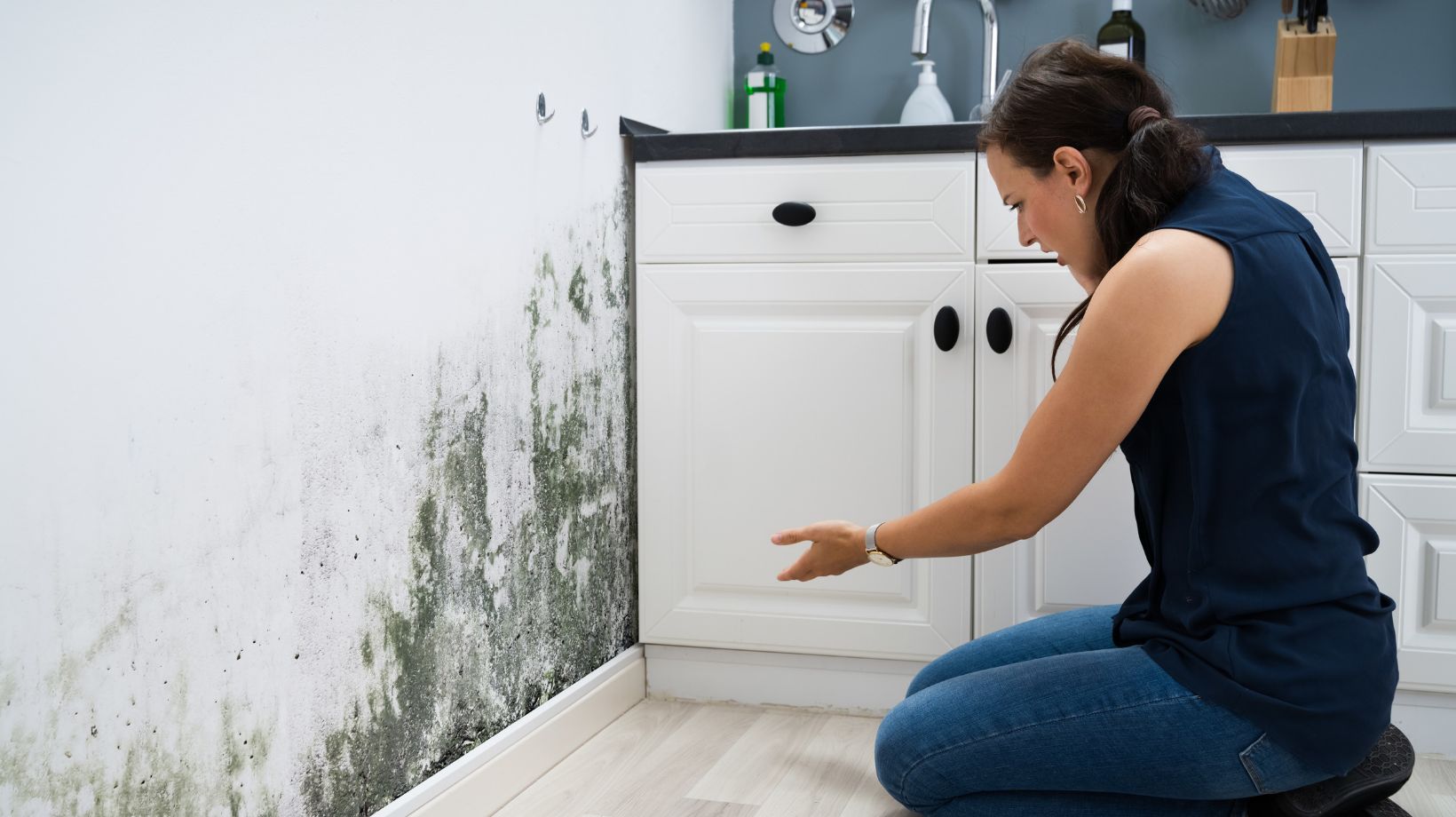
If you have an insulated shed, pay extra attention to wall panels and insulation materials for signs of moisture buildup or mold. Insulated structures require proper maintenance to retain their energy efficiency and internal comfort year-round.
Lastly, repair anything you were able to find whether it be planning to patch holes, secure loose panels or replace old and worn out parts.

Early detection and repair only ensures a bigger issue does not develop – especially before a harsh winter or significant spring rain.
Tip 2. Clean Thoroughly
Seasonal cleaning doesn’t just keep your shed looking tidy; it also discourages pests and reveals hidden maintenance concerns. At least once a season:
- Clear out clutter—remove unused or unneeded items to improve space and ventilation.
- Sweep floors and dust shelves to eliminate dirt, cobwebs, and moisture-trapping debris.
- Wash windows, doors, and any vents for optimized airflow and natural light.
- For the exterior, use a garden hose or gentle power wash to remove dirt, mildew, and algae from walls and the roof.
During autumn, pay special attention to clearing fallen leaves and plant matter from the shed’s roof and gutters to prevent water damage. A clean shed reduces the risk of rot, mold, and insect problems year-round.
Tip 3. Manage Moisture
Proper moisture control is the cornerstone of good upkeep for your structure. If water gets in, it will not take long before wood rots, metal rusts, and mold flourishes:
- Clean the gutters and downspouts, and keep them running freely away from your shed. Check that the brackets for the downspouts are securely fixed and not leaking.
- Examine the foundation to make sure there are no cracks or settling which may allow standing water to pool.
- Grade the soil around your shed to make sure water drains away from the base and does not pool.
In winter, remove snow or ice from the roof to avoid excessive loads and leaks. In spring and fall, check for any new leaks or wet spots inside and deal with these immediately to prevent long-term structural damage.
Tip 4. Control Pests and Plants
Sheds are often a draw for unwanted pests— rodents, insects, and critters. Sheds can also be surrounded by invasive vegetation that, if neglected, can cause damage to sheds. Here’s what to do:
- First, trim trees, bushes, or vines that touch a shed. They can scratch external surfaces and keep the shed wet.
- Second, it’s important to keep short grass and plant life surrounding the base of the shed to discourage any rodents, insects, or other critters from finding their way in.
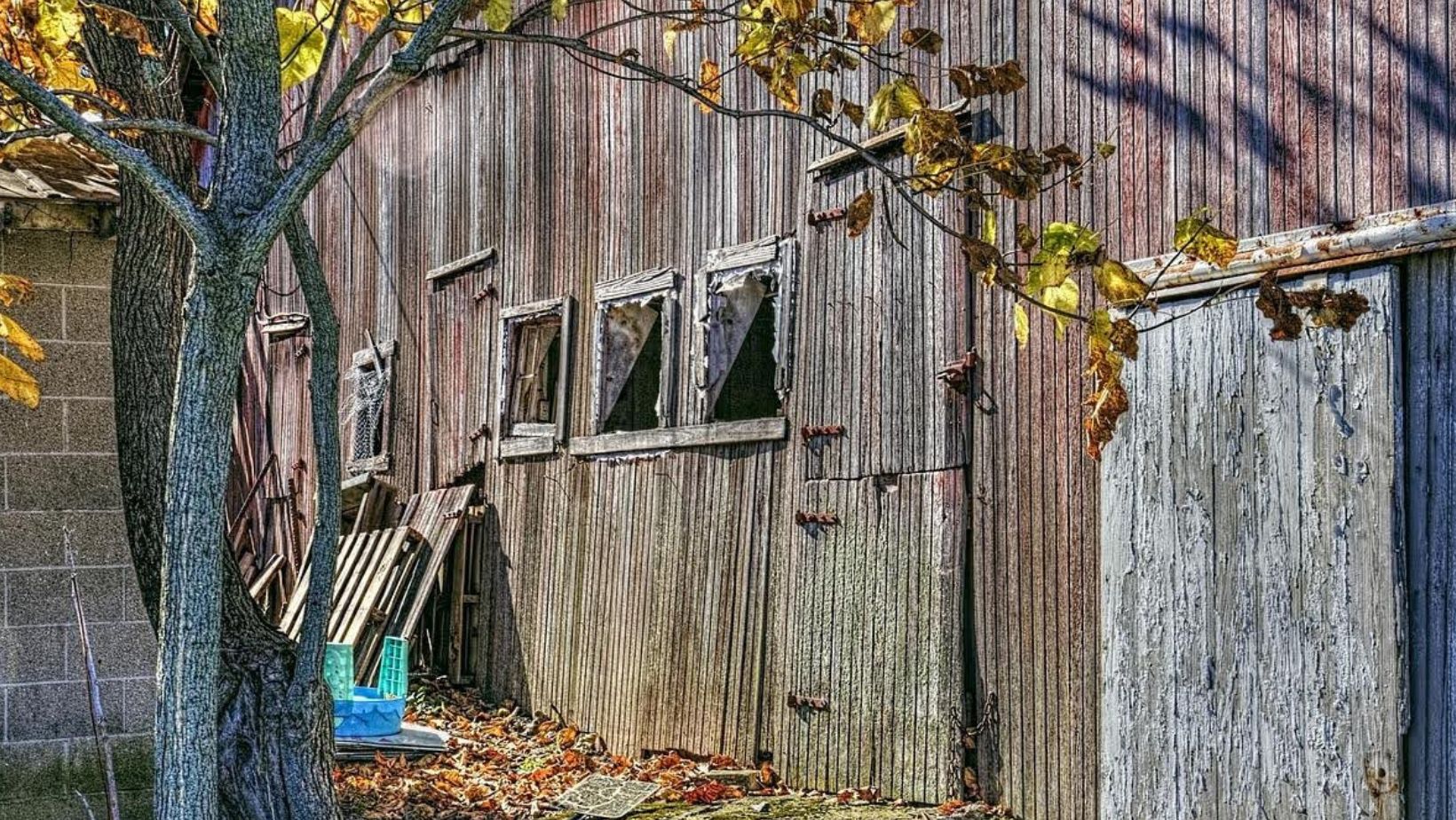
- Third, make sure to seal up any cracks or holes leading to the outside, especially before winter.
- Fourth, don’t stack or store firewood, compost, or garbage near the shed; both attract pests and create a hiding place for them.
Zero tolerance for pests or plant life (or it’s a potato shed in waiting) around your shed provides proper drying & less opportunity for pest infestation after rain.
Tip 5. Refresh Paint and Protection
Your shed’s protective coating (paint, stain, sealant) is the first line of defense against moisture, UV rays, and temperature fluctuation:
- Every one to three years, check the finish for peeling, cracking, or fading, and reapply as needed.
- Also consider giving added layers of protection to shed trim and doors and frames by painting them.
- Check for exposed wood and seal it immediately after cleaning the exterior, especially before rain or snow.
A well-painted and sealed shed will endure the elements better, and overall, add to the appearance and value of your property.
Conclusion
Regular seasonal maintenance can prevent small issues escalating to costly repairs, and will prolong the life of your garden shed. You will also ensure your shed is functional, visually appealing, and protected against the elements, as long as you can be diligent about checking, cleaning, controlling moisture, exterminating pests, and applying protective finishes. After the first appointment of each season, set an annual calendar reminder, and your shed (and whatever it houses) will be grateful for years to come.