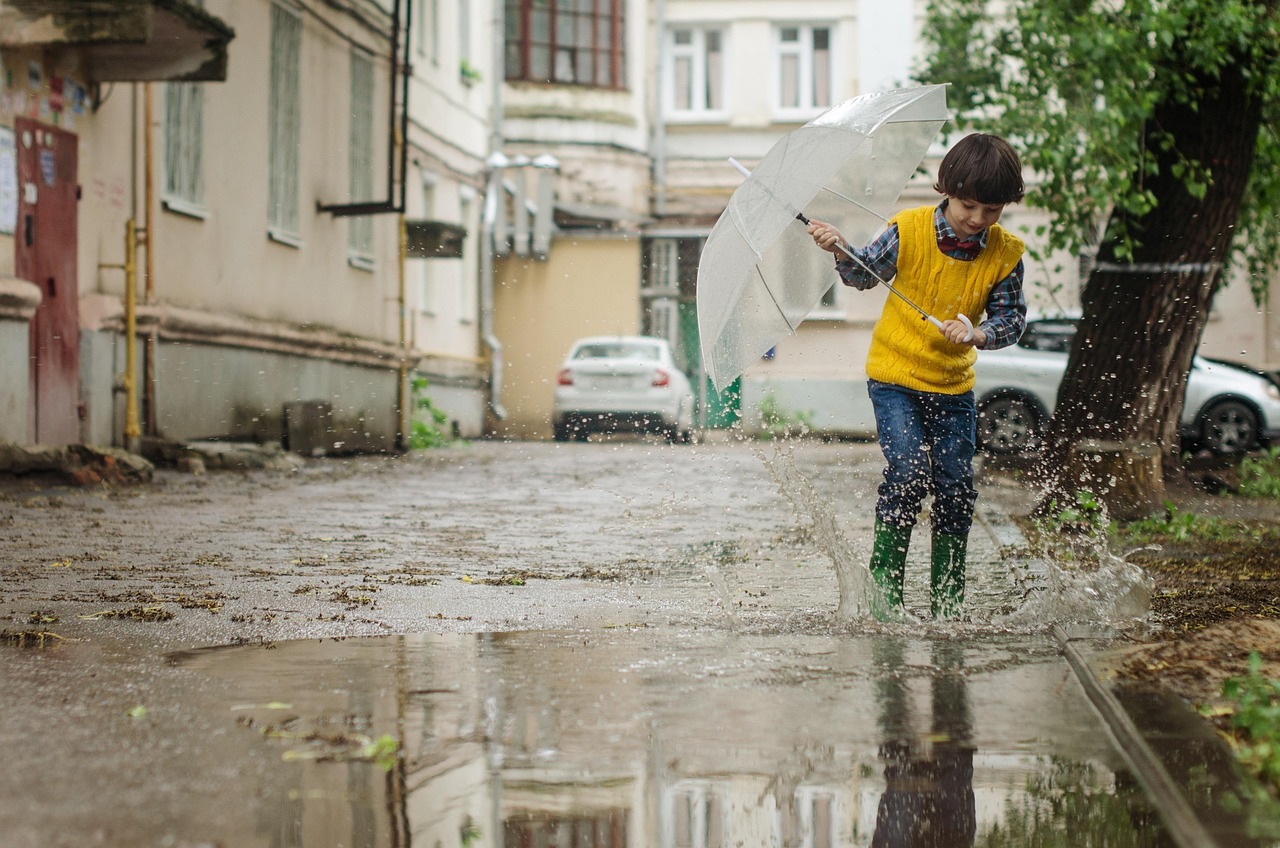
Climate conditions vary across cities and states. For some of these places, the climate is characterized by spells of unpredictable weather. It could be sunny one minute, and the next, there’s a thunderstorm. If your yard feels like a marshland after every downpour, you are looking at a silent threat to your home’s foundation, your landscaping investment, and even your mosquito population.
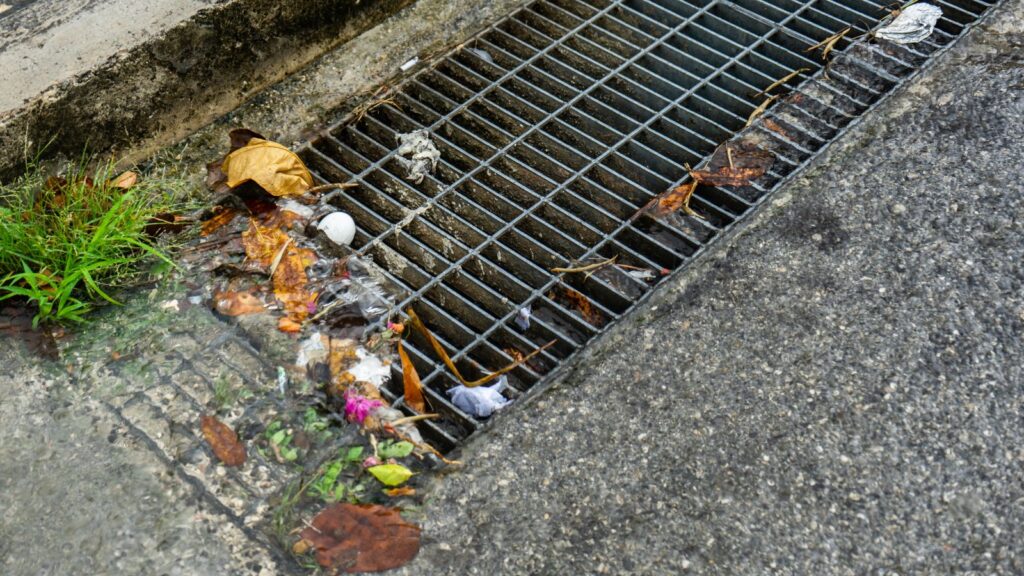
While you can’t control the skies, you can control what happens to all that rain when it hits your property. However, you need to know when your yard has a drainage problem. Keep an eye out for these red flags after it rains to see if you need to fix your yard drainage:
- Persistent Puddles After Rain
Multiple small puddles scattered over your yard every time it rains are a sign that your drainage is failing. These puddles are not the typical ones that disappear in an hour. In states like Michigan, the clay-heavy soils mean that water tends to sit instead of seeping in. Puddles suffocate your grass roots and attract mosquitoes.
To fix this, regrade your yard as the first step. In this way, you can shape the land so water flows away from your home. For instance, a professional landscape design in Birmingham can incorporate gentle slopes and swales (shallow trenches).
- Water in the Basement or Crawl Space
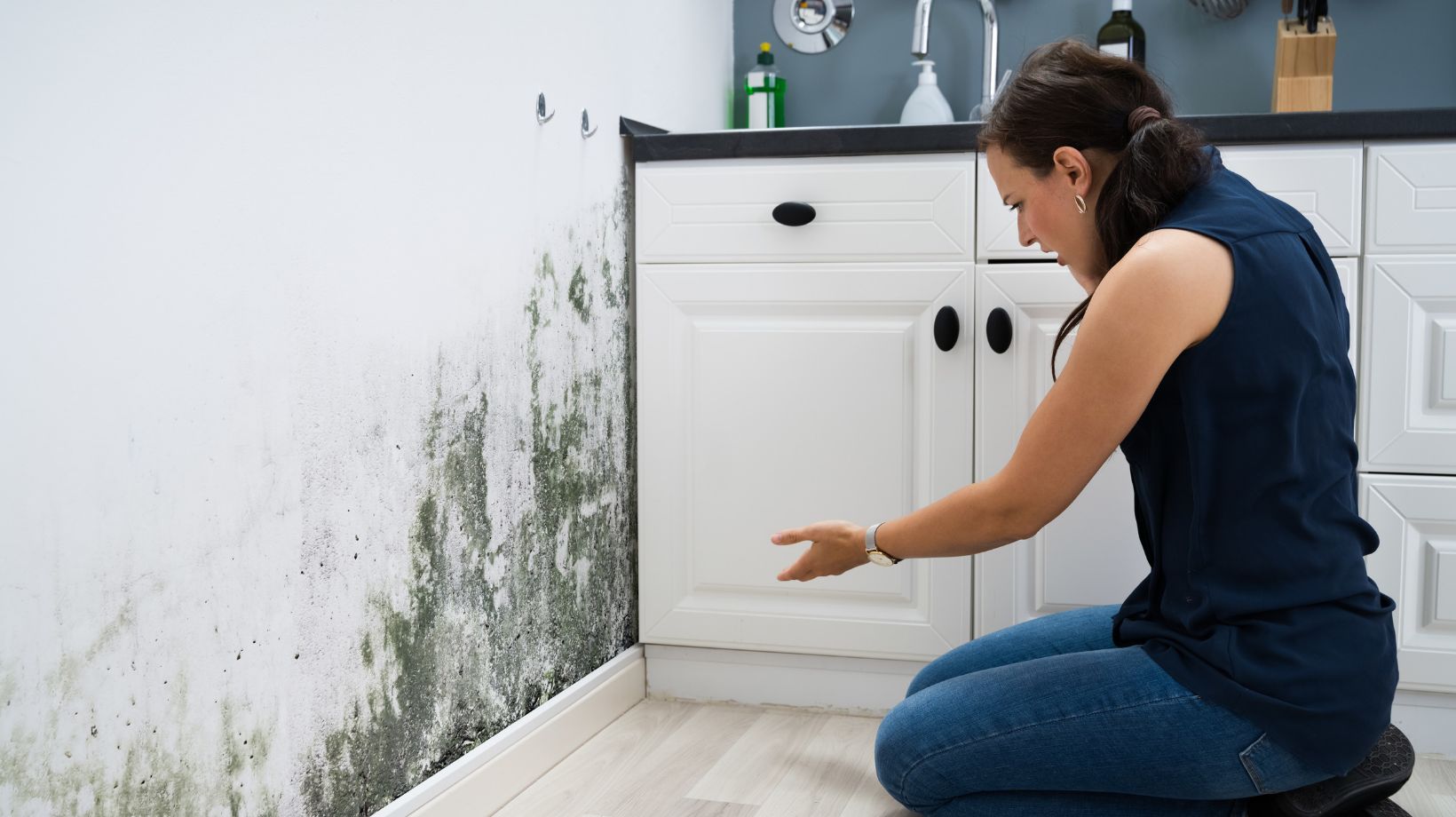
A leaking foundation is not always the cause of a damp or musty basement. Sometimes, it may be due to poor yard drainage, especially in older homes. These homes are more prone to water sneaking in when downspouts leave water too close. If the soil slopes toward the house, you will be left with this problem. A simple solution would be to extend your downspouts at least 10 feet from your foundation. Combine this with a French drain or dry well if water is pooling near the base of your house.
- Erosion and Washed-Out Garden Beds
Soil patches that look like gullies and floating mulch are often tell-tale signs of poor yard drainage. These problems are due to erosion, and it’s a clear sign of unmanaged runoff. They strip your soil of nutrients and wreck your curb appeal. However, erecting retaining walls, strategic plantings, or permeable hardscape can control runoff. Even using native plants with deep roots can stabilize soil and soak up excess water.
- Soggy Lawns and Yellowing Grass
When you step on a patch of grass, does it feel spongy and stay compressed? This indicates that water is trapped just below the surface. It suffocates the grass roots as they drown when the soil is waterlogged, leading to yellow or thinning patches that never fade.
Aeration is the solution here. Punch holes into the soil, and the surface water gets a chance to move. In difficult cases, a French drain beneath the lawn works well in redirecting water underground.
- Standing Water Around Hardscape
If water pools around hardscape like a driveway, patio, or walkway, it can begin to seep into cracks or freeze. It can also cause costly damage that may require professional exterior cleaning or even reconstruction. You should address this problem using permeable pavers. They allow water to drain through instead of pooling on top.
Endnote
Poor drainage shows itself in yellow lawns, puddles, or even cracked puddles. When you notice any of these signs, it is not enough to chalk it up to “local weather”. Think like a landscape designer, or better still, have the professional landscape designers take a look at it. Your choices should be influenced by more than just utility. Combine practical fixes with sustainable landscaping. By doing so, you take control of your environment and prevent costly foundation repairs.