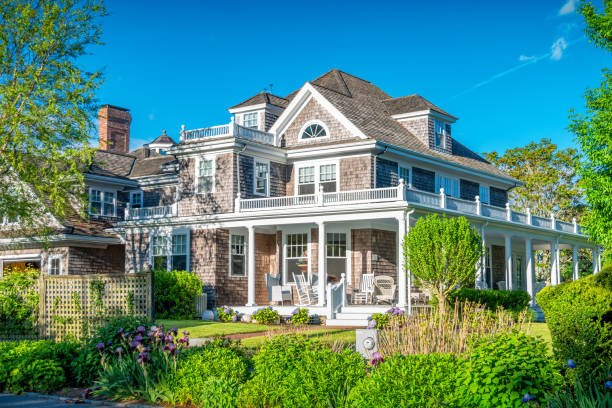

Roofing has come a long way from the simple wooden shingles of centuries past. Today, homeowners face an array of options, each with distinct advantages in terms of durability, energy efficiency, and appearance. Whether you’re considering a new roof for your home or looking to upgrade an existing one, understanding the materials available and their long-term benefits is essential. You’ll find here a breakdown of the best roofing options to help you make an informed decision.
The Evolution of Roofing Materials
Modern roofing materials are designed with longevity and functionality in mind. Traditional asphalt shingles remain a popular choice due to their affordability and relatively easy installation. However, advances in metal roofing, synthetic options, and sustainable materials have changed the landscape of residential roofing. Many of these newer materials offer superior durability, energy efficiency, and a wide variety of aesthetic choices that complement different architectural styles.
Choosing the Right Roofing Material
When selecting a roofing material, several factors come into play:
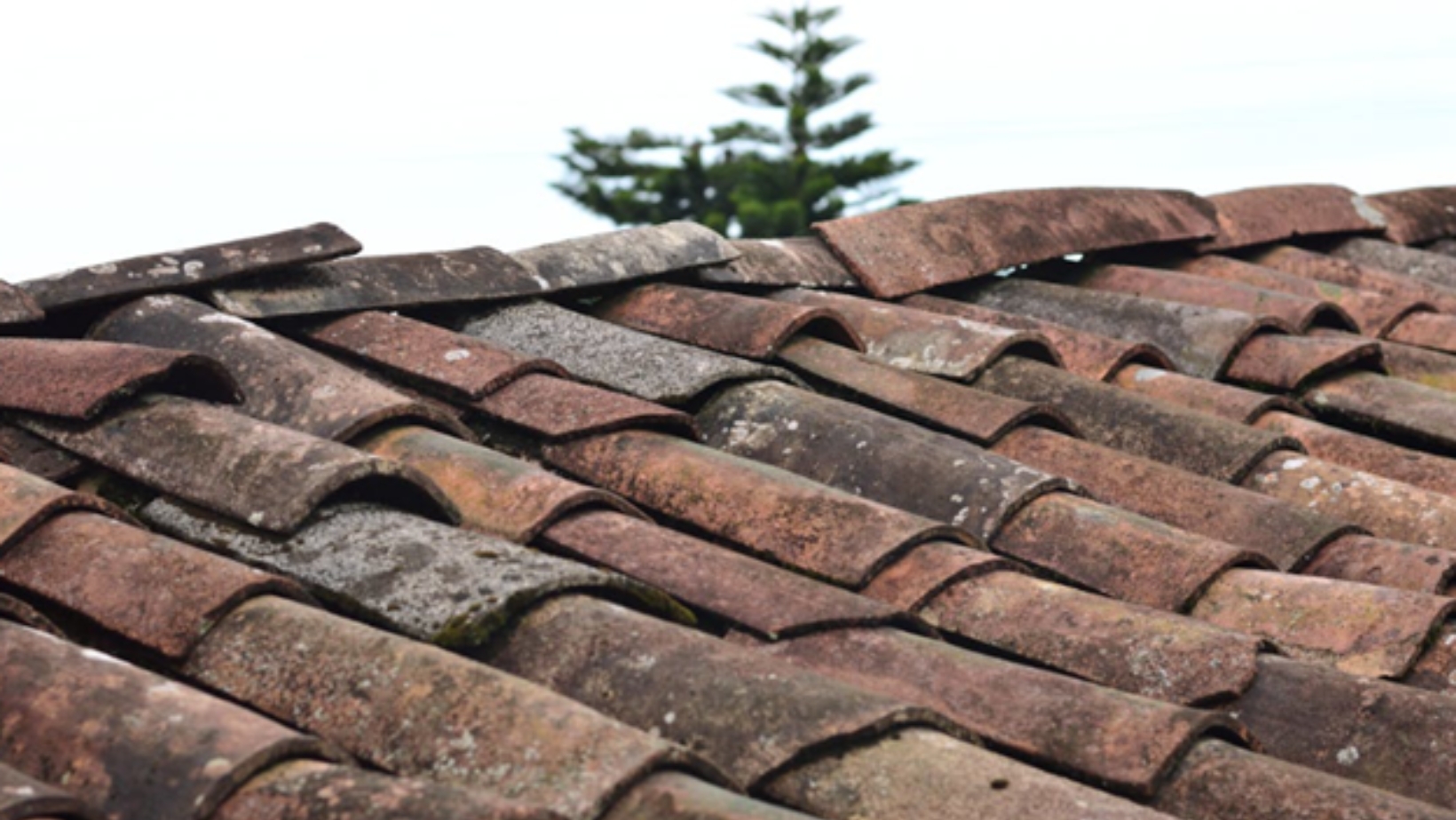
- Durability – The lifespan of roofing materials varies significantly. Asphalt shingles typically last 15 to 30 years, while metal roofs can last between 40 and 70 years. Some materials, like slate and clay tiles, have been known to last over a century.
- Cost – Initial installation costs can be a deciding factor. Asphalt shingles are generally the most budget-friendly, while metal and tile roofs come at a higher upfront cost but offer greater longevity.
- Maintenance Requirements – Some roofs, such as asphalt shingles, require periodic maintenance and replacement of damaged shingles. In contrast, metal and tile roofs demand less upkeep.
- Energy Efficiency – Certain roofing materials, such as metal and reflective shingles, help reduce heat absorption, lowering cooling costs in warmer climates.
- Environmental Impact – Metal roofs are often made from recycled materials and can be recycled at the end of their lifespan. Asphalt shingles, while common, contribute significantly to landfill waste.
The Benefits of Metal Roofing
Metal roofing has gained significant popularity in recent years due to its many advantages.
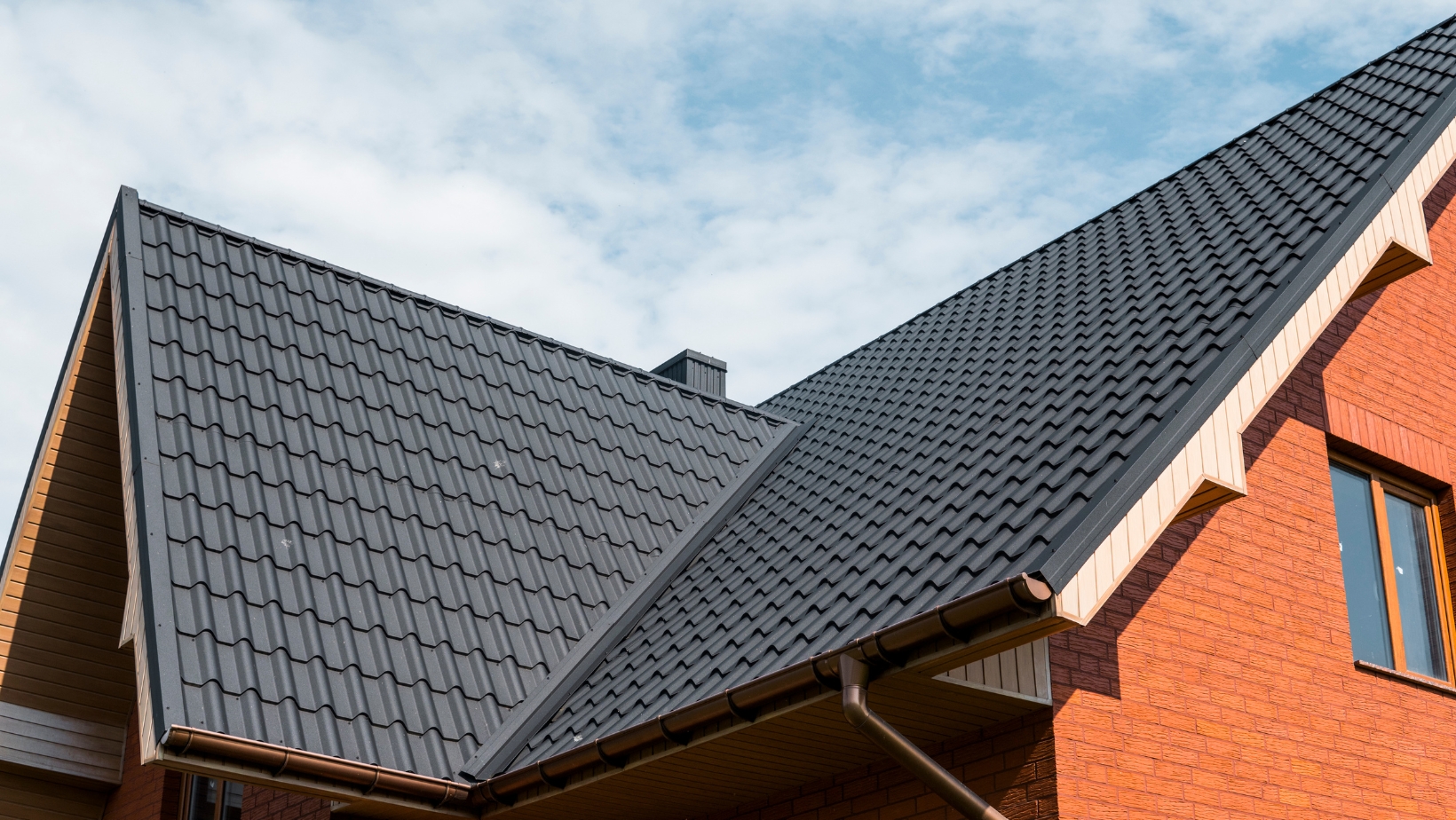
Unlike traditional materials, metal roofs provide superior resistance to extreme weather conditions, including high winds, hail, and even wildfires. Additionally, they reflect solar heat, helping to keep homes cooler in hot climates and reducing energy bills.
Many homeowners also appreciate the aesthetic versatility of metal roofing. Available in various styles, including standing seam, metal shingles, and even metal tiles, these roofs complement modern, industrial, and traditional home designs alike.
One of the biggest concerns about metal roofs is the potential for dents from hail or fallen branches. However, modern metal roofing materials are designed with coatings that minimize damage and maintain their structural integrity.
Asphalt Shingles: A Time-Tested Classic
Asphalt shingles continue to be the most widely used roofing material in the United States. Their popularity is largely due to their affordability and ease of installation. In addition, asphalt shingles come in a variety of colors and textures, allowing homeowners to achieve a customized look without a significant financial investment.
However, asphalt shingles do have some downsides. They tend to wear out faster than metal or tile roofs and are more susceptible to damage from extreme weather. Additionally, they absorb more heat, which can contribute to higher cooling costs in warmer climates.
Sustainable Roofing Options
With sustainability becoming a growing concern, many homeowners are looking for environmentally friendly roofing materials. Some popular eco-friendly roofing options include:
- Recycled Shingles – Made from materials like rubber or plastic, these shingles mimic traditional roofing styles while reducing waste.
- Green Roofs – Featuring a layer of vegetation, green roofs provide natural insulation and help reduce urban heat island effects.
- Solar Roofing – Solar panels or solar shingles allow homeowners to generate their own electricity, reducing reliance on traditional power sources.
Roofing Maintenance and Longevity
Regardless of the material chosen, proper maintenance is key to extending the life of a roof. Homeowners should schedule regular inspections, clear debris from gutters, and address minor repairs promptly. Preventative maintenance can help avoid costly damage and ensure that the roof provides maximum protection for years to come.
Conclusion
The roofing industry continues to evolve, offering homeowners an expanding range of options that balance aesthetics, durability, and energy efficiency. Whether opting for classic asphalt shingles, investing in durable metal roofing, or exploring sustainable alternatives, choosing the right roof is an essential decision that impacts both home value and long-term maintenance costs. By carefully considering material advantages and maintenance needs, homeowners can make informed decisions that best suit their climate, budget, and style preferences.