

Let’s talk about that moment when your washing machine decides to throw a tantrum. You know what happens next: calling for emergency washer repair services while your laundry pile reaches Everest heights. But here’s something most people overlook: the cleaning products you use before and after eco-friendly washer repair and maintenance can make the difference between a machine that lasts fifteen years versus one that limps along for seven. Think of it like feeding your body junk food versus organic vegetables. Sure, both fill you up, but only one keeps you running smoothly long-term.
The relationship between cleaning products and appliance health reminds me of a friend who religiously used bleach tablets in her washer, convinced she was being thorough. Three years later, her rubber seals looked like they’d been gnawed by invisible gremlins, and the drum had more rust spots than a vintage pickup truck. Understanding proper washer repair and maintenance protocols starts with knowing what actually helps versus what slowly destroys your investment. Meanwhile, Good Housekeeping’s extensive testing reveals that eco-friendly cleaning products can actually outperform their chemical-laden counterparts while protecting your appliance’s delicate components.
The Hidden Cost of Harsh Chemicals
Your washing machine is basically a sophisticated water ballet performer, with pumps, valves, and sensors working in harmony. Pour aggressive chemicals into this delicate ecosystem, and you’re essentially asking a ballerina to dance in combat boots. Those “super strength” cleaners might smell like victory, but they’re slowly corroding rubber seals, deteriorating plastic components, and leaving residue that attracts more dirt over time.
Consider what happens during a typical washer repair visit. Technicians often find chemical buildup so thick it resembles geological sediment layers. This gunk doesn’t just appear overnight; it’s the accumulation of months or years of harsh detergents mixing with fabric softeners, creating a paste that would make kindergarten craft time jealous. The irony? These deposits make your washer work harder, use more energy, and clean less effectively.
Nature’s Cleaning Arsenal
Here’s where things get interesting. Your pantry probably contains better washing machine cleaners than anything under your sink. White vinegar, that humble salad dressing ingredient, dissolves mineral deposits better than most commercial descalers. Baking soda neutralizes odors while gently scrubbing away grime without scratching surfaces. These aren’t just hippie alternatives; they’re scientifically proven solutions that respect your appliance’s engineering.

The beauty of natural cleaning lies in its simplicity. Vinegar’s acidity breaks down soap scum and mineral deposits without attacking rubber or plastic components. Run a hot water cycle with two cups of white vinegar once monthly, and you’re essentially giving your washer a spa treatment. Follow up with half a cup of baking soda on another hot cycle, and you’ve accomplished what those expensive cleaning pods promise but rarely deliver.
Pre-Repair Preparation
When you know a repair technician is coming, resist the urge to deep-clean with industrial strength products. Technicians need to see your washer’s actual condition, not a chemically masked version. Instead, do a simple vinegar rinse the night before. This removes surface grime while preserving diagnostic clues about what’s actually wrong.
Smart preparation also means documenting your cleaning routine. Tell your technician what products you’ve been using. That information helps them understand whether issues stem from mechanical failure or chemical damage. It’s like telling your doctor about your diet; the full picture leads to better solutions.
Post-Repair Maintenance Magic
After investing in washer repair, protecting that investment becomes crucial. Switch to plant-based detergents that clean without leaving residue. These formulas work with your machine’s design rather than against it. They rinse clean, preventing the buildup that leads to future problems.
Create a monthly maintenance ritual using natural ingredients. First Sunday of each month: vinegar cycle. Third Sunday: baking soda treatment. This routine takes less time than scrolling through social media, yet extends your washer’s life by years. Add a quarterly wipe-down of door seals with diluted vinegar, and you’re practically guaranteeing smooth operation.
Essential oils can replace synthetic fragrances without leaving the oily residue that attracts dirt. A few drops of lavender or tea tree oil in your vinegar cleaning cycle leaves clothes smelling fresh while providing natural antimicrobial benefits. Your washer stays cleaner, your clothes smell better, and you’re not breathing in synthetic fragrances.
The Bigger Picture
Embracing eco-friendly cleaning before and after appliance repairs reflects a broader shift in home maintenance philosophy. Instead of harsh interventions followed by neglect, you’re creating sustainable care routines. This approach saves money, reduces environmental impact, and keeps your appliances running efficiently.
Think of it as preventive medicine for your home. Regular, gentle cleaning prevents the catastrophic failures that require expensive repairs. When repairs are needed, your well-maintained machine responds better to fixes and maintains those repairs longer. It’s a virtuous cycle that benefits your wallet, your home, and the planet.
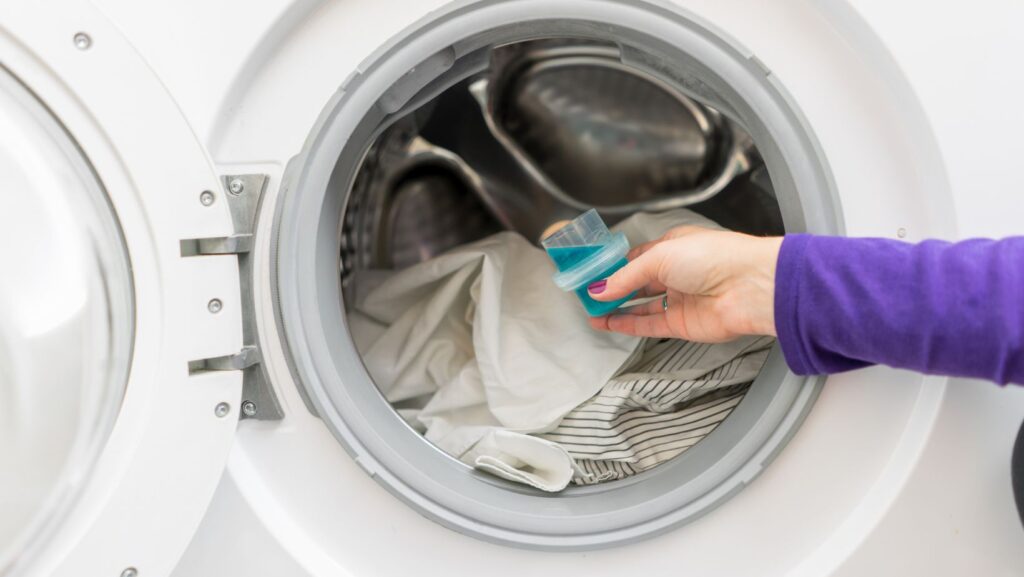
The next time your washer needs attention, remember that the products you choose matter as much as the repair itself. Natural cleaning solutions aren’t just better for the environment; they’re better for your investment. Your future self, dealing with fewer repair bills and cleaner clothes, will thank you for making the switch.